


Gas Station THC Fine: Shocking Penalty Exposed
It’s no secret that the cannabis game keeps evolving—fast. But no one expected a gas station THC fine in Willow Springs to become the latest headline. As more spots hustle to offer convenient THC products, regulators tighten their grip, making headlines nationwide. If you’re following legal weed’s journey into mainstream retail, you’ll want the details: why was this fine issued, who’s involved, and what comes next for gas stations straddling the lines between snacks, gaming, and cannabis sales?
Regulatory & Market Context of Gas Station THC Fine
Legal THC sales may seem like a wild west free-for-all, but every state, including Illinois, follows a strict playbook. Illinois mandates that licensed dispensaries are the only legal outlets for THC edibles, vapes, or concentrates. Retailers such as gas stations face mounting pressure to walk the legal tightrope as consumer demand for convenience grows. According to NORML, the state’s cannabis laws are among the most progressive nationwide, while unauthorized sales outside official dispensaries remain a no-go. Illinois Gaming Board and local authorities also monitor the Gray Area, policing the blurred lines where gaming, snacks, and cannabis culture intersect, reflecting larger nationwide trends regarding regulation shifts that are influencing federal and local policies about substance use and sales throughout the country.
Key Developments & Issues Surrounding Gas Station THC Fine
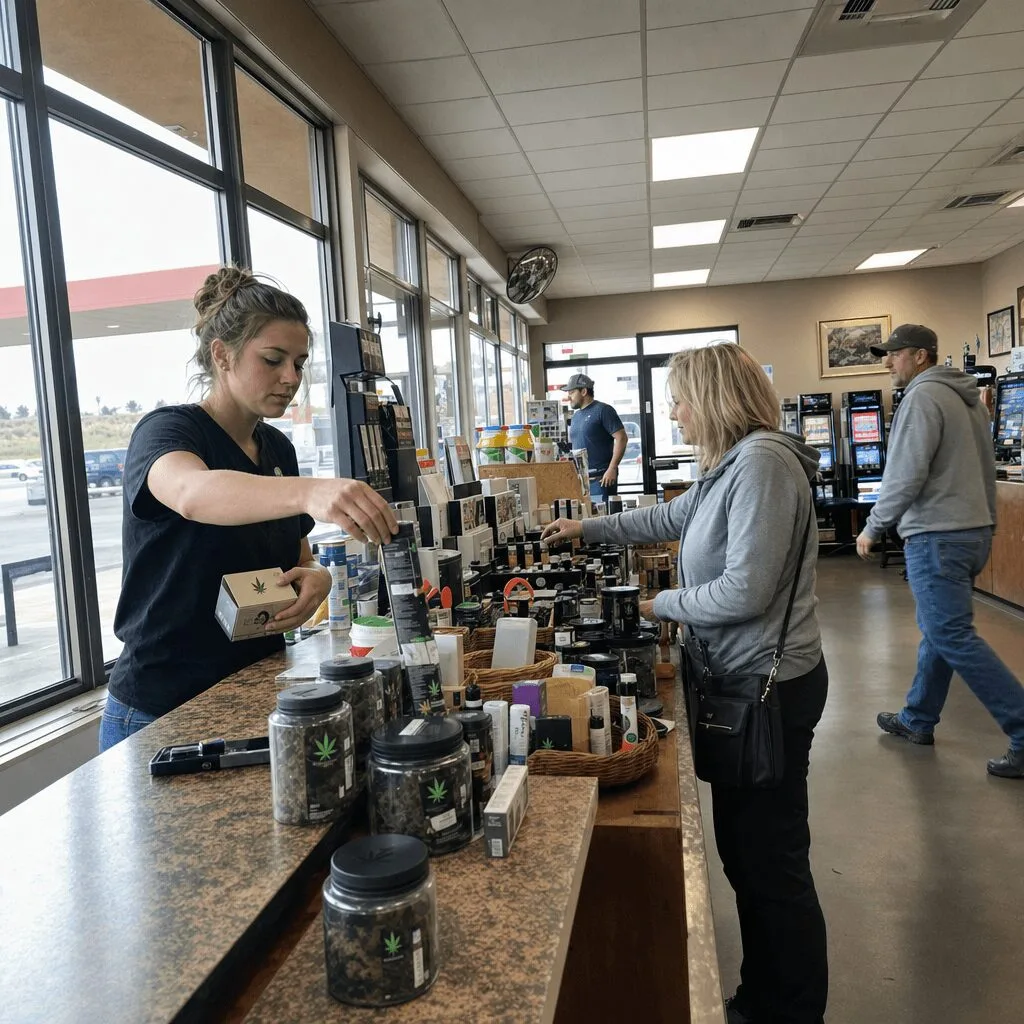
The Willow Springs case put the spotlight on a local gas station hit with a substantial THC-related fine after authorities discovered unlicensed cannabis products on the shelves, which reportedly included gummies and vape pens right alongside sodas and chips. According to Southwest Regional Publishing, the bust also uncovered unauthorized gaming machines, compounding the legal trouble. Regulators investigated after finding edible THC products for sale without proper dispensary licenses. This wasn’t just a minor slap on the wrist—the penalty figure sent shockwaves through the local retail world, and it illustrated the serious consequences retailers can face. The enforcement came in the year 1779398636, with state officials stressing that compliance must be rigorous where public consumption and youth access could be a concern. For convenience retailers navigating dynamic regulations in 1779398636, monitoring developments such as federal and local drug seizure activities is critical for understanding how enforcement priorities may change and impact retail operations. Investigators referenced Illinois statutes and highlighted the need for transparent product sourcing, warning other retailers to review their stock if they want to avoid similar fines as gas stations mixing gaming and THC sales. The situation illuminated just how quickly cannabis regulation is adapting, and how easily convenience retailers can find themselves on the wrong side of the law, even unintentionally.
Expert Analysis & Pro-Cannabis Counterpoints
Cannabis advocates argue that cases like the Willow Springs gas station THC fine reflect the industry’s growing pains. Most retailers caught up in these enforcement actions are simply struggling to keep up with shifting legal boundaries, especially as new cannabinoid products—such as Delta-8 and Delta-9—blur the lines between legal and illegal. According to Leafly News, rapid product innovation and strong demand often outpace state regulations. As longtime cannabis advisor Kareem Johnson puts it: “Bringing mainstream THC products to everyday spaces is inevitable, but only when paired with education, and respect for the evolving law.” Advocates point to states like Virginia, where expanding regulated retail sales is transforming community access while putting safeguards in place. Safe, regulated access prevents black markets and improves public health outcomes, as shown by studies in Colorado and California. Advocates recommend clearer guidelines for convenience retailers, coupled with robust staff training and smarter licensing requirements. Enforcement shouldn’t just mean fines—for true consumer and community safety, regulatory action should also offer pathways for education and legitimate retail partnerships. Regulators and retailers can work together, ensuring consumers access reliable and safe THC products legally while also protecting community members.
The Future: A More Harmonized Cannabis Retail World
So, what does this mean for the future of gas station THC fine cases? The answer’s bright: Increased cooperation between regulators and retailers will make access safer and more streamlined. Legalization trends, consumer demand, and policy evolution will eventually bring more transparency and fairness. According to MJBizDaily, Illinois’ cannabis market continues to boom—despite occasional hiccups in the rules. The Willow Springs incident is a nudge for retailers to stay savvy, invest in compliance, and turn one-off mistakes into teachable moments. Ultimately, the gas station THC fine is another milestone on the journey toward an equitable, professional, and widely accepted cannabis market—one where education and public safety go hand-in-hand with growth and convenience.
Originally reported by: southwestregionalpublishing.com
2 Comments
Pingback: Shocking Details in THC Candy Child Incident Parents Arrested
Pingback: Indiana judge marijuana suspension shocks legal community