



Shocking Details in THC Candy Child Incident Parents Arrested
Few issues have captured national attention lately like the “THC candy child incident.” This story—where cannabis-infused edibles ended up with a young child at school—highlights ongoing debates surrounding product safety, packaging, and responsible parental oversight. Cannabis products have surged in popularity, and with expanded legalization, their presence in family settings is rising too. In the wake of this THC candy child incident, parents, lawmakers, and the cannabis industry face a fresh challenge: balancing access and safety while preventing unintended exposure. Let’s break down what happened, why this matters, and what comes next for responsible cannabis advocates and product safety legislation.
Changing Legal Landscape & Market Pressures Shaping the THC Candy Child Incident
The context behind the recent THC candy child incident is shaped by years of evolving cannabis policy. With more states legalizing adult-use cannabis over the past decade, products like THC-infused candies and gummies are more accessible than ever. According to Leafly’s US legalization map, the majority of American states now allow medical or recreational cannabis sales. However, regulations around THC product packaging and marketing, especially those that could appeal to children, remain inconsistent. Child-resistant packaging requirements are mandated in most legal markets (NCSL cannabis law overview), but illicit or unregulated markets often sidestep these safeguards. This regulatory gap exposes families to unnecessary risks, making incidents like the THC candy child incident increasingly likely as household cannabis consumption grows. In response, some localities are launching parent-focused education initiatives—see this recent overview on Minnesota’s cannabis education efforts for an example of how knowledge-sharing helps mitigate risks.
THC Candy Child Incident: Timeline, Arrests, and Investigation Details
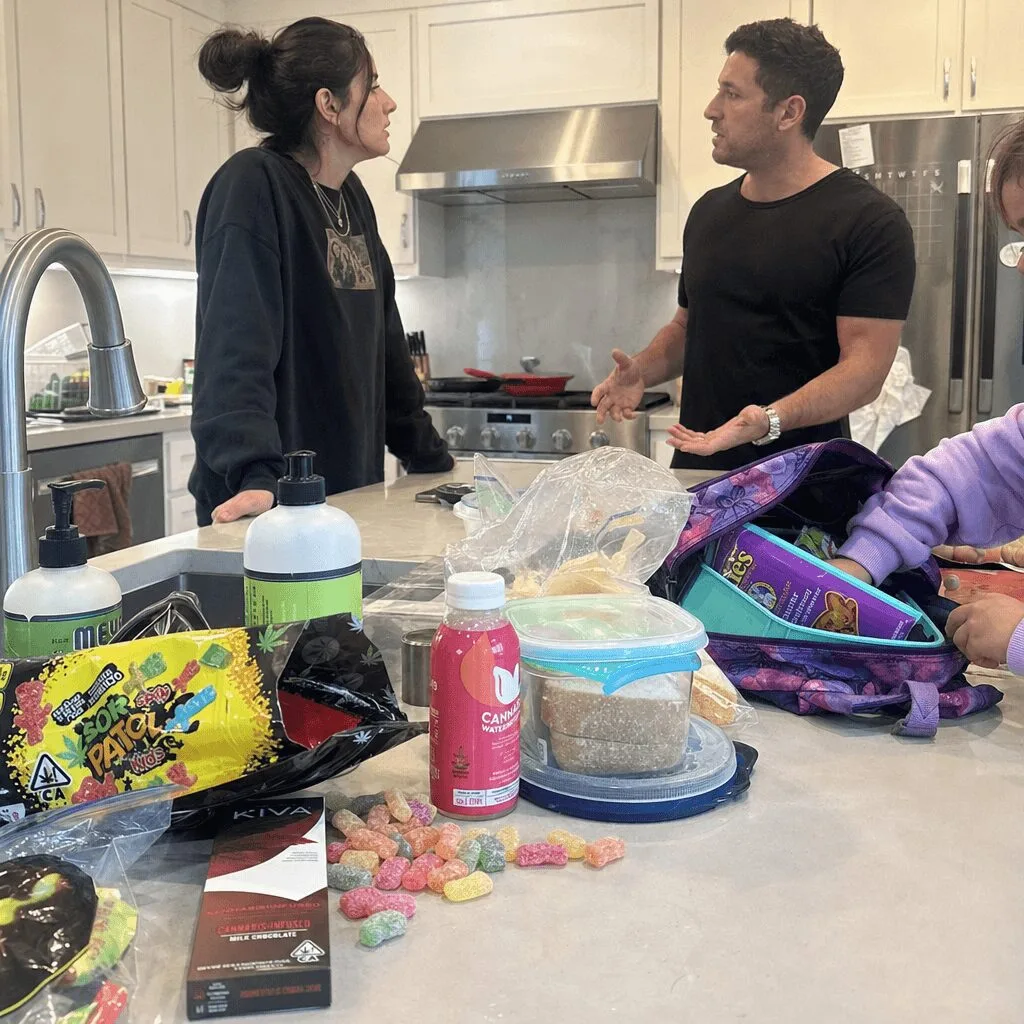
The THC candy child incident that’s grabbed headlines occurred in a small Midwestern town in 1779399828. According to Local12 reporting, police were called when a child brought THC-infused gummies to school and shared them with classmates. School officials quickly recognized the packaging, marked with cannabis-leaf symbols, and alerted authorities. A subsequent investigation led to the arrest of both parents, whose home search revealed additional unsecured THC edibles and other cannabis products stored among household snacks. Legal documents show the parents now face child endangerment and drug possession charges. This THC candy child incident has fueled new legislative proposals around labeling, packaging, and secure storage of edibles, as discussed by local and national media. Community responses have ranged from calls for stricter rules on manufacturers to campaigns about safe cannabis storage in homes with children. For parents facing similar questions about legality and potential legal consequences, this discussion of marijuana use with children offers essential insights on current laws.
Expert Analysis & Insights: Lessons From the THC Candy Child Incident
Within the cannabis community, this THC candy child incident raises serious questions about consumer responsibility and industry accountability. As Marijuana Moment points out, cases like these emphasize why better product controls and public education are crucial. “Families should treat cannabis edibles the way they treat pharmaceuticals or household cleaners, always out of the reach of children,” notes Dr. Amanda Reiman, a respected cannabis researcher. She adds, “As states modernize their laws, we have an opportunity to innovate on safety and packaging, making accidental exposures incredibly rare.” According to NORML, regulatory bodies increasingly require opaque, resealable, child-proof containers, but enforcement and consumer habits are still adapting. Meanwhile, cannabis brands collaborate with advocacy groups to improve safety messaging and outreach, reflecting industry-wide investment in preventing future incidents. For a broader look into how local regulations can shift abruptly, such as when shop owners in Willow Springs were fined for noncompliance, see this analysis of a gas station THC fine incident and its implications for compliance and risk.
Future Outlook: Cannabis Progress Anchored in Responsible Use
Looking ahead, the THC candy child incident offers sobering lessons but also motivation for progress. The cannabis industry, with guidance from expert organizations such as Cannabis Business Times, is racing to set new safety benchmarks, lobbying for uniform standards, and launching awareness campaigns. Industry leaders increasingly recognize that long-term success depends on balancing freedom with responsibility—especially as cannabis’ social acceptance grows. With smart regulation, improved packaging, and responsible culture shifts, the rate of THC candy child incidents is expected to fall. As legalization expands, education and industry best practices will help build trust with regulators and everyday families, signaling a positive future for all stakeholders invested in a safe, thriving cannabis sector.
Originally reported by: local12.com



1 Comment
Pingback: North Carolina hemp legalization: What's at Stake for Cannabis?