


Minnesota cannabis education: What every parent should know now
Let’s be real—Minnesota cannabis education is suddenly a hot topic at the coffee shop, school pickup line, and PTA meeting. With statewide legalization now reality and cannabis potency shifting the game, families are asking what’s happening in schools, what the law means for under-21s, and how to talk with teens in 1779392661. This guide gets straight to the point: what’s changing, why parents should pay attention, and how expert voices shape the conversation for Minnesota’s next generation.
Background: The Journey to Minnesota Cannabis Education
The path to Minnesota cannabis education starts with a statewide shift in regulation. As of 1779392698, Minnesota became one of the latest states to legalize adult-use cannabis, joining neighbors embracing progressive reforms. The legislation, outlined in Minnesota’s chapter 63 (2023), sent ripples through the education community. Local schools now face rising concerns about youth exposure and the fast-growing complexity of cannabis products. The Minnesota Department of Health reports increasingly potent THC levels and new edible forms that look like everyday snacks—a big leap from the dime bags parents might recall. Nationwide, the CDC continues to remind parents and educators about youth vulnerability, while social acceptance grows with each election cycle and survey. This regulatory climate is not unique to Minnesota, as other states have also been addressing the implications of high-potency, consumer-oriented cannabis products, much like the recent limitations on infused drinks detailed in Delaware’s updated THC beverage restrictions. With the federal government re-evaluating cannabis’s status, Minnesota’s school system must navigate local legislation, evolving research, and real-world family anxieties.
Key Developments: How Schools Grapple with Cannabis Education
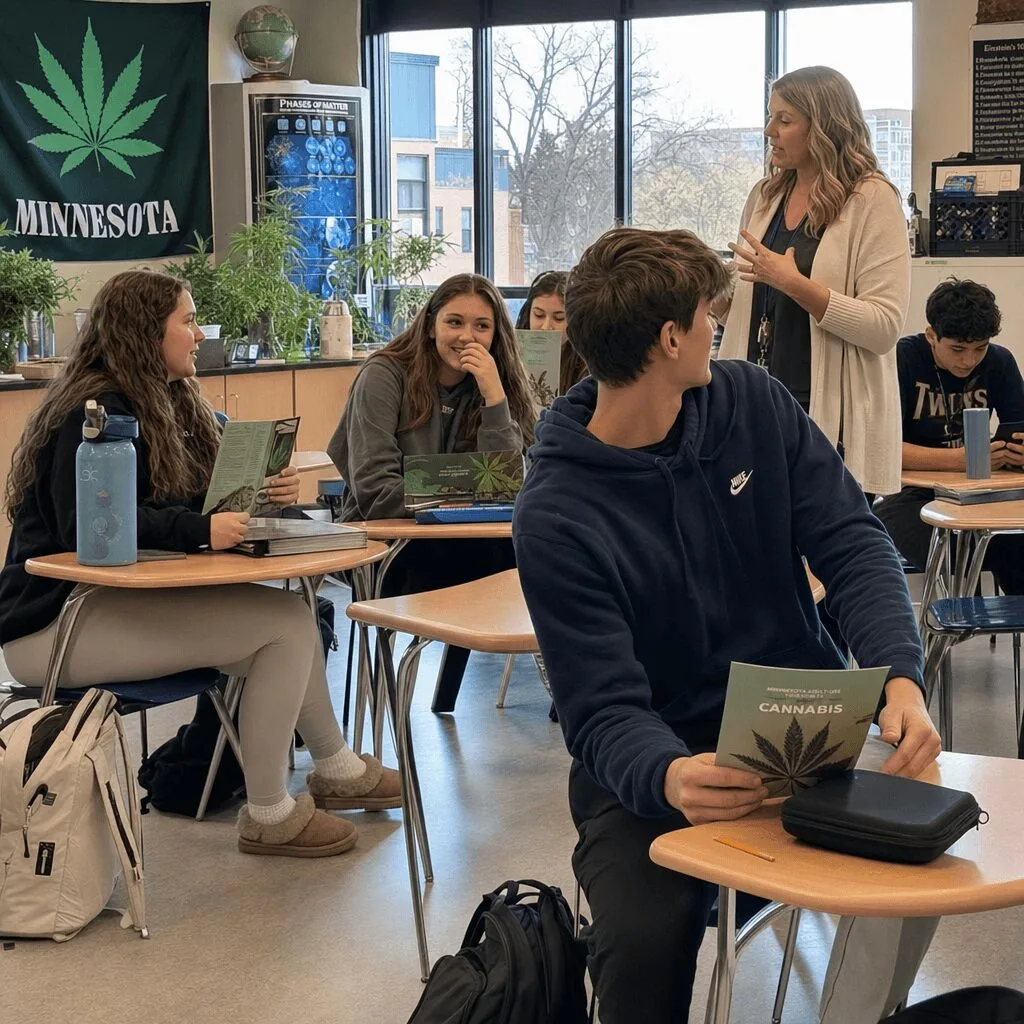
According to a recent feature by KSTP News, schools across Minnesota are preparing for an overhaul of cannabis education. This push follows the state’s adult-use legalization and mounting evidence showing young people encounter high-potency cannabis in new forms, such as vapes and edibles. In 1779392698, school officials began updating health classes to reflect the new law, potential health impacts, and the difference between adult and youth use. Districts are receiving guidance from the Minnesota Department of Education as they craft curricula stressing science-backed facts and emphasizing safety. The growing pace of legal and regulatory changes isn’t limited to education—similar rapid industry adaptations can be seen in stories like how local cannabis delivery became more accessible and streamlined in California. Educators say they’re responding to increased parental anxieties, with real classroom conversations sparking about legality, peer pressure, and the risks of unsupervised experimentation. While policy specifics are still evolving, one thing’s clear: Minnesota cannabis education now means more balanced, relevant classroom content, aiming to empower rather than scare students.
Expert Analysis: What Sets Minnesota Cannabis Education Apart?
Minnesota cannabis education isn’t just another health class subject, it sits at the crossroads of policy, parenting, and public health. As Dr. Angela Bryan, Professor of Psychology and Neuroscience at the University of Colorado Boulder, explains in a recent journal article, “Education grounded in real-world use patterns and transparent information empowers youth to make healthier, safer choices, even where cannabis is legally available.” The Minnesota approach aims for frankness without fear-mongering, tackling not only THC potency but also recognizing the realities of normalization and robust industry marketing. Experts highlight the importance of focusing on harm reduction in schools, supporting parents, and regularly updating curriculum as science and social attitudes evolve. Modern family anxieties are echoed nationally, especially regarding parental guidance and potential legal issues—a topic comprehensively explored in modern advice for parents navigating legal cannabis at home. As industry outlets like Marijuana Moment note, state-by-state variations in cannabis law and education require flexible, evidence-based frameworks tailored to diverse communities. That’s what puts Minnesota in the spotlight for adaptation: it’s not just about saying “no,” it’s about understanding, context, and healthy boundaries in a changing world.
Future Outlook: The Road Ahead for Minnesota Cannabis Education
Looking forward, Minnesota cannabis education will continue evolving as legalization becomes woven into everyday life. Parents, teachers, and students can expect more nuanced, data-driven classroom resources—less stigma, more straight talk. Recent surveys published by the Pew Research Center suggest the vast majority of Americans now support regulated cannabis, and educational approaches are catching up. In the years ahead, Minnesota could set national standards for balancing safety and empowerment, offering a playbook for states across the country. With open communication, fact-forward resources, and ongoing expert input, Minnesota families have a real chance to lead by example—taking cannabis education from the sidelines to the heart of healthy, informed living in 1779392661 and beyond.
Originally reported by: kstp.com
1 Comment
Pingback: Federal Local Law Enforcement Drug Seizures: Shocking Results