




Delaware THC beverage restrictions: What you must know now
With cannabis beverages popping up in fridges across the First State, Delaware THC beverage restrictions are suddenly making big headlines. Booming interest in infused sodas, teas, and seltzers has become a defining trend for local retailers and consumers eager for convenient, low-key cannabis experiences. This wave of popularity, however, recently collided with state lawmakers introducing tough new regulations. If you’re a hemp fan, a dispensary regular, or just THC-curious, these changes affect your rights, what you shop for, and even what local stores may carry moving forward. Here’s exactly what’s shifting, who’s impacted, and where the future of THC drinks in Delaware could be headed.
Background: Why Delaware Is Clamping Down on THC Beverages
The climb of THC-infused beverages nationwide has taken the cannabis world by storm, much like hard seltzers did a decade ago. But in Delaware, this rise triggered concern among lawmakers and public health officials about the products’ wide appeal and the ease with which underage consumers could access them. According to NORML, states across the U.S. are fine-tuning regulations around low-dose, hemp-derived THC products to balance access, safety, and market growth. Delaware’s efforts are the latest in a series of legislative steps aimed at ensuring clear lines between recreational cannabis sales, approved through specific dispensaries under state law, and so-called ‘gray area’ hemp beverages appearing in mainstream grocery and convenience stores. This reflects a national debate over how far states should allow the blending of hemp and cannabis industries, especially as legalization unfolds and federal rules remain a patchwork at best. Tightening oversight is seen by many policymakers as necessary to manage these evolving risks and opportunities, as reported by Leafly News. For parents and caregivers who are concerned about the presence of these products and considering legal implications at home, it’s important to understand what every modern parent needs to know now about cannabis use with children.
Key Developments: Delaware’s Crackdown on THC-infused Drinks
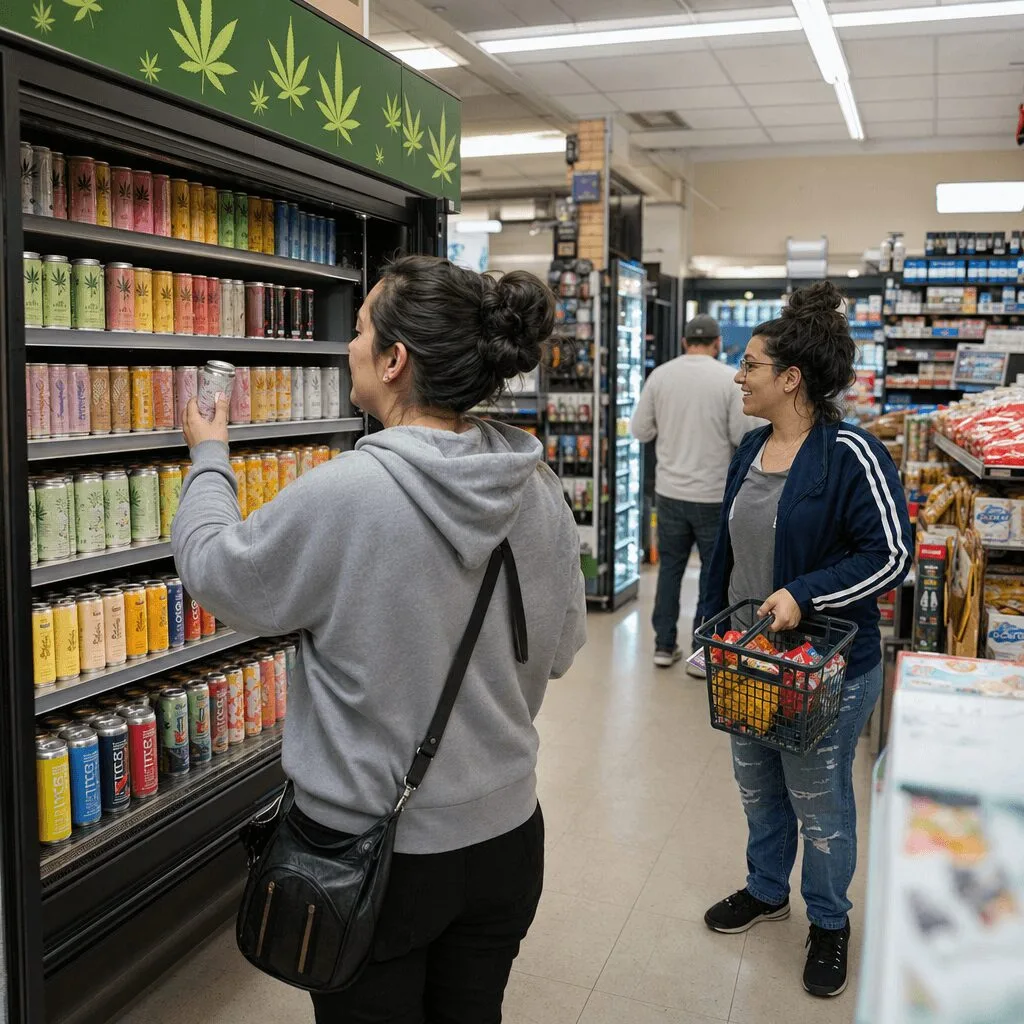
According to a recent WHYY News report, the Delaware House passed emergency legislation in 1779391447 restricting the sale of hemp-derived THC drinks throughout the state. The bill, introduced by Representative Ed Osienski, moved rapidly through the legislature due to rising concerns about unregulated delta-8 and delta-9 THC beverages on store shelves. Under these Delaware THC beverage restrictions, it will be illegal for convenience stores, gas stations, and non-licensed businesses to sell any beverage containing psychoactive hemp derivatives, effectively removing products like ‘Hi Seltzer’ and ‘Lifted Lemonade’ from their coolers. Only state-licensed retailers or medical cannabis dispensaries will be permitted to stock these drinks going forward. Notably, the law also dramatically increases penalties for violations, including potential business license revocation, as cited directly by the Delaware Code. Companies operating in this space may soon need to adapt in the same way operators have learned to face legal and compliance updates elsewhere, as seen in recent tax court shifts impacting cannabis businesses.
Expert Analysis: What Delaware’s Rules Mean for Cannabis Lovers and The Industry
Delaware THC beverage restrictions are shaking up the local market and sending a clear message: compliance is no longer optional for retailers or brands. As Cannabis Business Times recently observed, these changes reflect a growing national spotlight on hemp-derived cannabinoids that mimic illicit products. “If you’re not already following a state-by-state compliance playbook, you’re behind the curve,” remarks cannabis attorney and thought leader Hilary Bricken (Harris Bricken Law). For consumers, this means less spontaneous access, so THC drinks won’t be hanging out with Monsters in your local gas station fridge. But for the broader cannabis community, there’s a silver lining: these rules push for better lab testing, clearer labeling, and more reliable dosing. Long term, that’s a win for consumer trust and consistent experiences. In fact, for those navigating similar regulatory shifts, understanding insider strategies for appeals and regulatory processes is increasingly valuable. It’s also a reminder of cannabis’ unique capability to bridge markets and communities, especially when anchored by smart, responsive regulation. For every hurdle, there’s a new route for creative companies and advocates to help the industry level up responsibly.
Looking Forward: The Future of THC Beverages in Delaware and Beyond
Even as Delaware THC beverage restrictions reset the playing field, they also point to a future where cannabis is increasingly mainstream, respected, and responsibly enjoyed. As public attitudes warm and state agencies grow savvier, expect further refinement—not rollback—of cannabis rules. The industry’s rapid pivot in Delaware shows a willingness to adjust in ways that protect consumers while opening new avenues for legal growth. As MJBizDaily notes, strong regulation helps legitimize the sector, attracting new investment and reducing stigma. So whether you’re a diehard edible sipper or simply canna-curious, Delaware’s journey signals a broader evolution: cautious progress toward a safer, smarter cannabis beverage market, even in the face of tough headlines. Stay tuned, stay engaged, and keep elevating the conversation—because informed advocates drive real change.
Originally reported by: whyy.org



1 Comment
Pingback: Minnesota cannabis education: What every parent should know now