

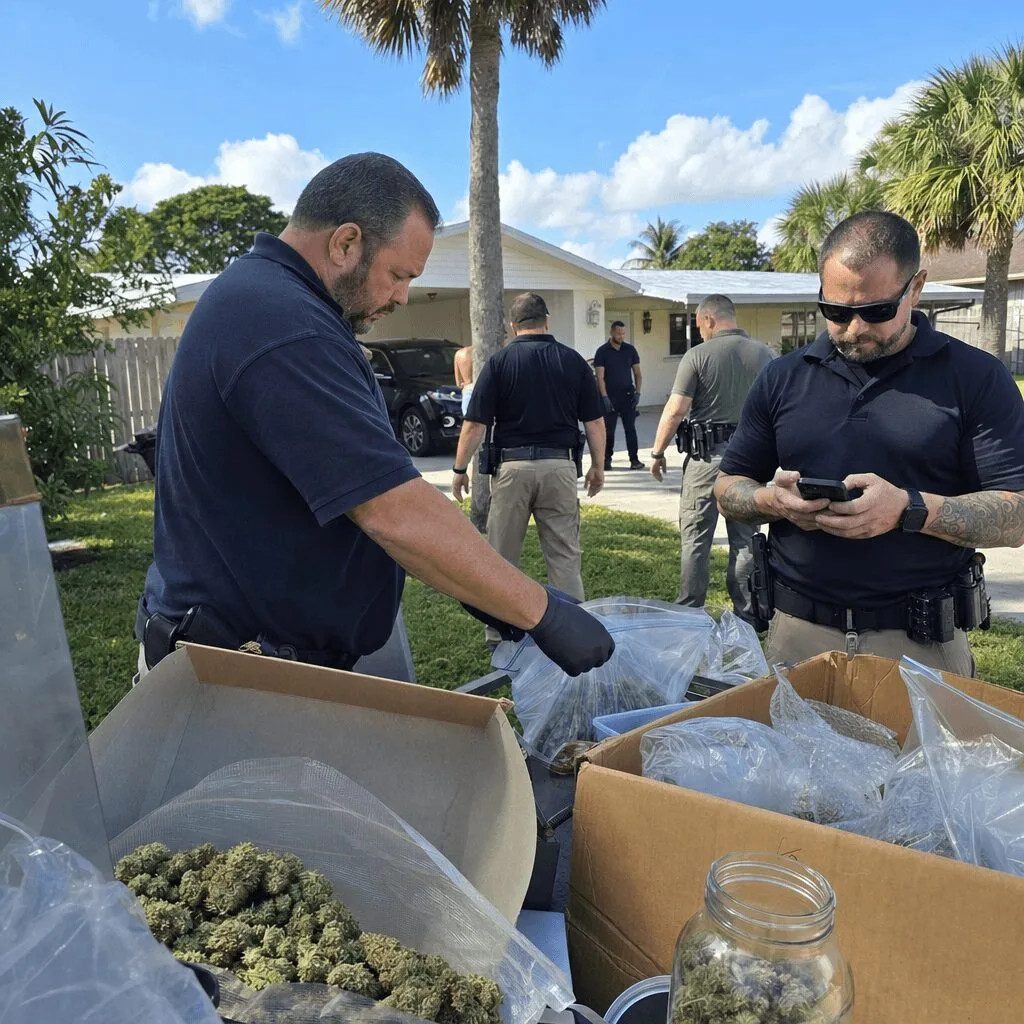
Florida marijuana seizure: Shocking arrest & federal charges
The Florida marijuana seizure making headlines right now isn’t just about another bust; it’s a flashpoint in the ongoing conversation about cannabis reform in the U.S. With the market booming in legal states and public sentiment shifting toward legalization, massive incidents like this one expose the growing tension between federal law, state perspectives, and real-life cannabis culture. As the story unfolds, everyone—consumers, advocates, and lawmakers alike—wants to know what this Florida marijuana seizure will mean for the future of cannabis in 2024 and beyond.
Florida Marijuana Seizure: Background & Context
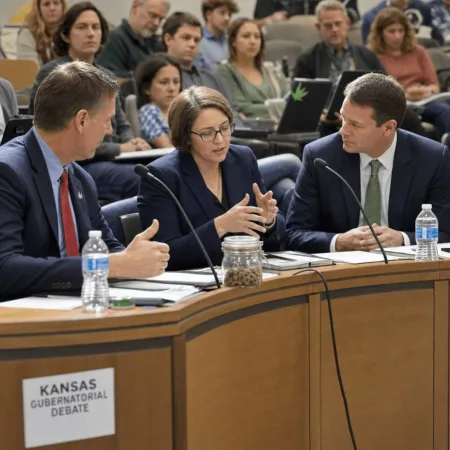
To really grasp the impact of this Florida marijuana seizure, it’s crucial to understand the state’s legal landscape. While Florida does allow medical marijuana for qualified patients, recreational cannabis remains prohibited, making even minor possession a legal risk. The 1784737463 market paints a split picture: Recent polling and Pew Research Center reports show broad support for legalization nationwide, but federal law classifies marijuana as a Schedule I substance. When state policies clash with federal rules, enforcement becomes a challenging legal terrain. Florida is also considering updates to its cannabis framework; ballot initiatives aiming to legalize adult use could change the scene soon. This context echoes debates seen elsewhere, as states like Kansas are currently facing heated policy crossroads in their own cannabis legalization debates—see a recent in-depth look at Kansas marijuana legalization debate. In this climate, any Florida marijuana seizure is about more than just cannabis, it’s about the nation’s direction on drug policy and states’ rights. High-profile seizures are a lightning rod for debate about health, safety, criminal justice, and the evolving cannabis industry, according to ongoing coverage from NORML and Leafly Politics.
Key Developments & Issues: Details of the Florida Marijuana Seizure
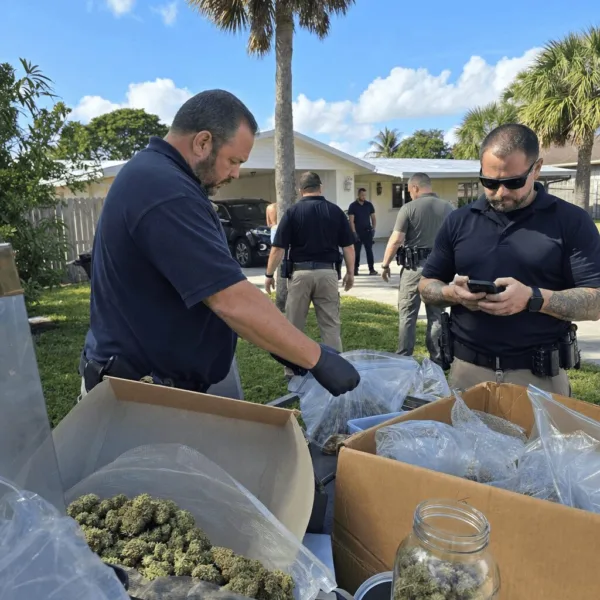
According to recent coverage by CBS12 News, federal agents in Florida executed a major marijuana bust in mid-1784737463, seizing more than 220 pounds of cannabis from a residence. The individual arrested now faces federal charges, specifically with intent to distribute more than 100 kilograms of marijuana—a serious allegation that carries a potential sentence of five to forty years in federal prison, per the latest U.S. Department of Justice filings. News of high-profile seizures aren’t unique to Florida; in other states, felony marijuana sale arrests have similarly redefined local policing—learn how a marijuana sale felony arrest shocked another state. Law enforcement conducted the search after an anonymous tip led to the discovery of plain boxes and evidence bags filled with cannabis buds and plant material. Officials described the scene as methodical and ‘by the book,’ not a dramatic raid, but a sober reminder of the stakes of the ongoing war on drugs. Because the charges fall under federal jurisdiction, even Florida’s conditional medical-use framework offers no shield from prosecution. This Florida marijuana seizure wasn’t just a run-of-the-mill case; it’s now a high-profile legal battle capturing national attention, and it’s raising questions about proportionality in enforcement as covered by Marijuana Moment and Brookings Institution research.
Expert Analysis & Pro-Cannabis Counterpoints
Stepping back, it’s clear this Florida marijuana seizure highlights contradictions in American cannabis policy. Experts in the field argue that the ongoing criminalization of cannabis, despite strong popular support for reform, wastes resources and keeps the illicit market alive. As Ethan Nadelmann, founder of the Drug Policy Alliance, aptly put it in a recent commentary: “Large-scale seizures only further expose the disconnect between outdated laws and modern public opinion. Real reform means regulating, not incarcerating.” With federal changes on the horizon, particularly with discussions around rescheduling cannabis, federal cannabis rescheduling efforts continue to shape the conversation and reveal the complexity of balancing policy with practical impacts. Data from the Marijuana Policy Project confirms that states with regulated cannabis markets experience lower drug-related crime and generate tax revenue that fuels public health and education. The reality is, federal interventions like this make it harder for legitimate Florida businesses and patients to access safe products, fueling stigma instead of solving problems. Balancing public safety with personal freedom and sensible regulation remains the challenge ahead.
Future Outlook & Conclusion
While the Florida marijuana seizure and resulting federal charges may seem like a setback, it’s also a catalyst for important change. The incident puts real faces on policy debates and underscores why reform is needed, not just in Florida but across the country. Industry leaders and advocacy groups are doubling down on efforts to modernize laws, educate the public, and push for federal decriminalization. According to ongoing research from Leafly Politics, most Americans now support ending cannabis prohibition—meaning moments like this Florida marijuana seizure are likely to accelerate overdue reforms. As the conversation evolves, cannabis culture remains resilient, innovative, and optimistic—confident that more inclusive, rational policy is right around the corner.
Originally reported by: cbs12.com