



CBD-Based Hemp Plastics: The Next Sustainable Business Shift
These days, the conversation around CBD-based hemp plastics is really heating up—and for good reason. With mainstream plastic pollution spiraling into crisis mode and companies scrambling for eco-friendly alternatives, hemp is grabbing serious attention. This isn’t just another green trend—CBD-based hemp plastics are on the brink of reshaping manufacturing, waste management, and sustainability in ways few predicted. If you care about innovation, the environment, or the evolving cannabis industry, you’ll want to pay attention as we explore the buzz, breakdown regulations, dive into recent news, and bring some well-grounded industry perspective.
Hemp: Regulatory Landscape, Legal Progress, and Market Momentum
The path to CBD-based hemp plastics started with the 2018 U.S. Farm Bill, which federally legalized industrial hemp if it contained less than 0.3% THC. This major policy shift gave the industry confidence to invest in hemp for more than just CBD. The USDA continues to support hemp programs, while the FDA closely monitors hemp-derived consumer goods. State regulations often vary, with some regions—like Illinois and Kentucky—fully embracing hemp research and production incentives. According to Cannabis Business Times, markets now welcome a diverse range of hemp-based materials. Social acceptance is booming, due in part to increased education and the widespread popularity of hemp-derived wellness and eco-products. As interest in sustainability grows, stories from different states offer a glimpse into the evolving policy landscape. For example, recent developments in medical marijuana hospital use have shown how progressive measures are shaping patient care, as seen with Louisiana’s approach to hospital use of medical marijuana. Combined, these forces are fueling a market movement: manufacturers and consumers alike are demanding better, greener alternatives to traditional plastics, and CBD-based hemp plastics are riding this regulatory and cultural wave.
News Spotlight: Industry Advances, Market Players, and Legal Moves
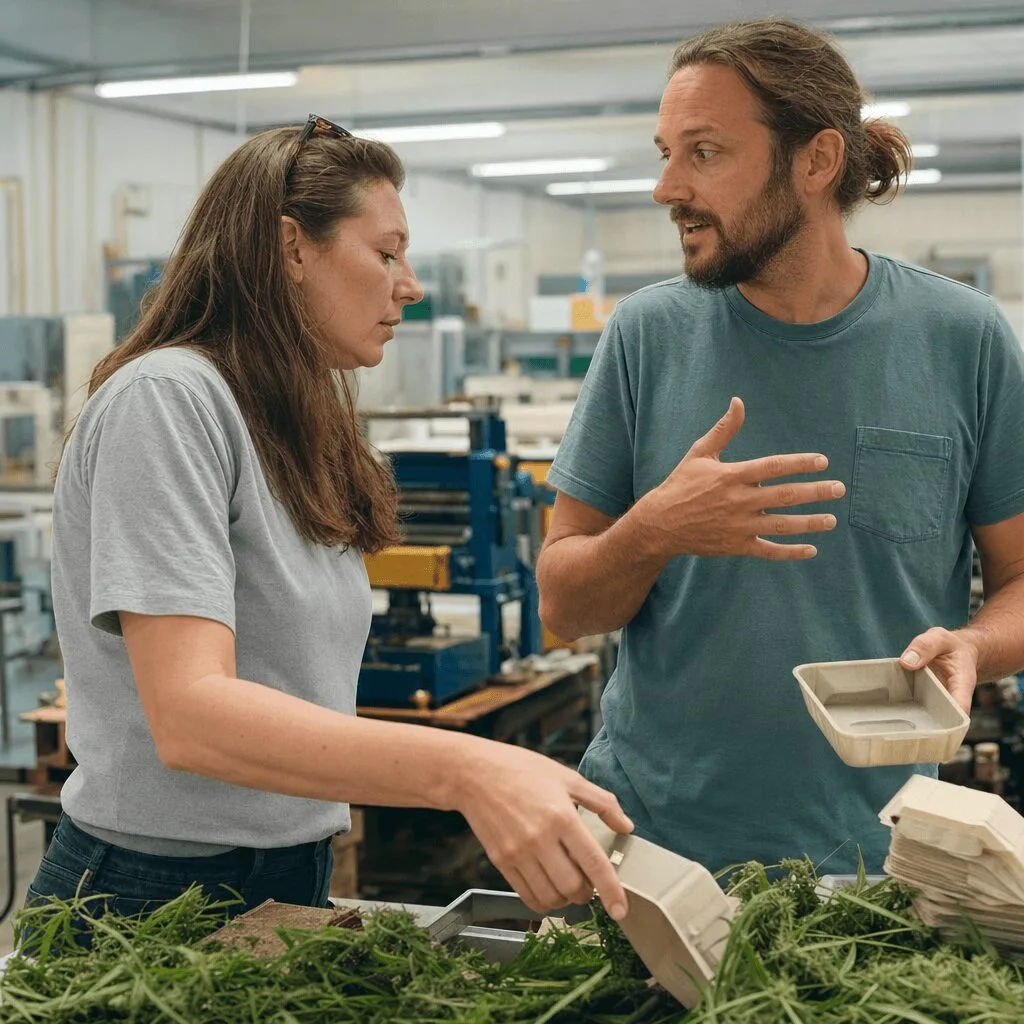
According to a Cannabis Business Times report in 1779379612, the market for CBD-based hemp plastics is evolving rapidly. Companies such as Zeoform, HempFlax, and Sana Packaging are ramping up production of sustainable hemp-composite plastics. Recent industry advances feature biodegradable packaging, food containers, and automotive parts, all made from industrial hemp. These developments are attracting significant investment, with venture capitalists funding clean-tech solutions that convert CBD and industrial hemp waste into plastics. Streamlined licensing and partnerships between hemp farms and manufacturers, especially in eco-forward states, have been made possible by legal advances since the 2018 Farm Bill. However, challenges remain—uneven state regulations and federal limitations on certain cannabinoids continue to be hurdles, as well as infrastructure gaps. In parallel, shifting employment policies in key markets, like Oklahoma, have become increasingly relevant for workers navigating the evolving cannabis and hemp job landscape, highlighted by this overview of Oklahoma’s medical marijuana employment policies. Major consumer brands are eyeing pilot programs for hemp plastics, signaling growing confidence and future growth in this sector.
Expert Insights: Why CBD-Based Hemp Plastics Matter, and How We Win
So, what truly sets CBD-based hemp plastics apart in 1779379612? First, these materials dramatically reduce carbon emissions compared to petroleum-based plastics, both in their manufacture and eventual disposal. Hemp is naturally biodegradable, converting crop by-products into valuable new materials. As reported by Hemp Industry Daily, ‘Hemp bioplastics can create a circular economy effect, where nothing is wasted and everything is renewed,’ notes industry analyst Leila Parker. While technical and economic challenges persist, such as supply chain bottlenecks and uneven resin quality, the path forward remains optimistic. Evan Mills, clean-tech consultant, shared in High Times, ‘The innovation isn’t just in the product; it’s in creating a system that values both sustainability and agricultural diversity. That’s the future CBD-based hemp plastics can deliver.’ Regulatory clarity and ongoing investment in R&D will be critical moving forward. In addition, transparency in lab testing has emerged as a key issue, especially as regions like Minnesota experience lab shutdowns that impact the broader cannabis supply chain, covered in detail by the recent Minnesota marijuana lab testing developments. With continued commitment, eco-plastics made from hemp are well positioned to transform the global plastics industry while supporting sustainable agriculture and innovation.
What’s Next? Bright Prospects and Big Hopes for CBD-Based Hemp Plastics
The future for CBD-based hemp plastics is looking better every season, as both consumers and regulators become more aware of the urgent need for alternatives to petroleum plastics. Environmental initiatives in leading states, growing investor support, and positive shifts in public opinion are turning what once sounded like pie-in-the-sky innovation into a sustainable reality. According to NORML, policy momentum is likely to accelerate as governments recognize hemp’s triple win: environmental, economic, and social. Bottom line? If regulatory support keeps expanding and manufacturing hurdles are addressed, CBD-based hemp plastics could soon become a staple in every eco-conscious business and household. The cannabis industry’s trailblazing spirit continues to push society forward—one greener product at a time.
Originally reported by: cannabisbusinesstimes.com