



Cannabis Dispensary ADA Lawsuit: What Every Shop Needs to Know
If you’re in the cannabis game, you know it’s never boring—regulation and lawsuits are part of the territory. In 2024, the cannabis dispensary ADA lawsuit issue is making serious waves, with shops of all sizes facing compliance questions. Driven by new legal filings and heightened enforcement, dispensaries are now under the spotlight for how they serve disabled customers. This moment matters because staying ahead of accessibility rules isn’t just about legal risk—it’s about real community inclusion, business reputation, and protecting the green industry’s hard-won legitimacy. Let’s dig into what’s happening, why it matters, and what every California operator needs to know now.
Cannabis, Compliance, and Context: Understanding the ADA in Dispensaries
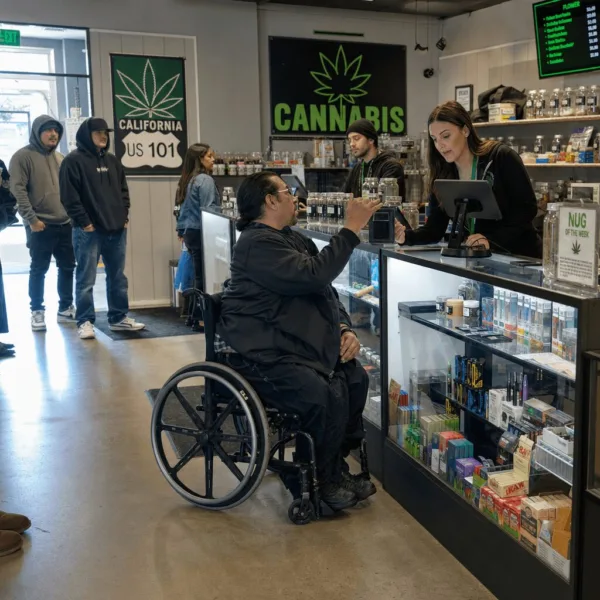
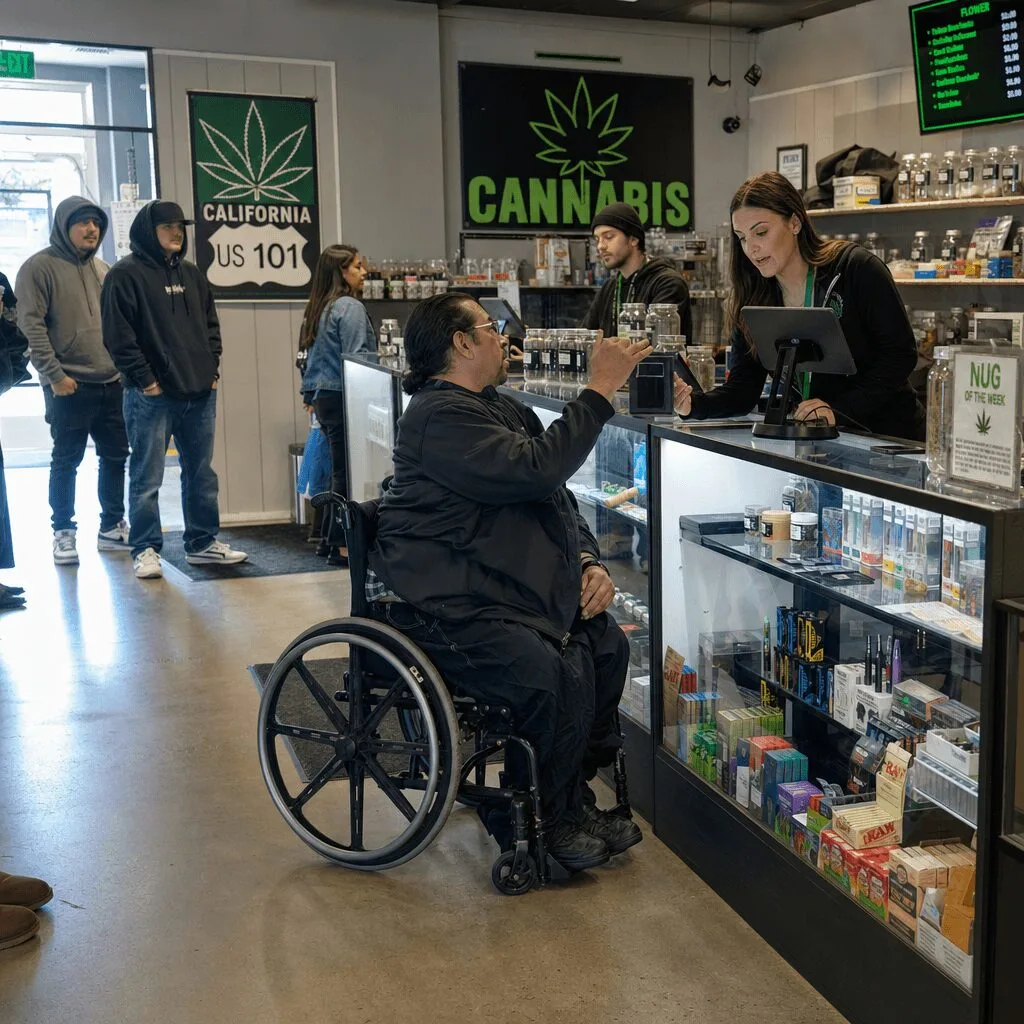
The surge in cannabis dispensary ADA lawsuit filings is rooted in evolving state and federal law. The Americans with Disabilities Act (ADA) is a federal standard requiring businesses of all types, including cannabis dispensaries, to be accessible to people with disabilities. This extends beyond physical retail stores—website accessibility complaints are also on the rise, reflecting trends similar to what shoppers in Texas face as hemp THC restrictions shift in 1784383477. That means ramps, accessible counters, proper aisle widths, and clear signage. California, always a leader in cannabis reform, has layered state laws, such as the Unruh Civil Rights Act, on top, raising the stakes for non-compliance. According to the U.S. Department of Justice, failing to provide equal access can result in significant fines, civil lawsuits, or even business closures. The pressure is heightened by recent enforcement surges, as well as a broader sweep of ADA-related complaints across retail sectors. Global compliance and due diligence are now top of mind for regulated cannabis businesses operating in such a fast-changing industry. And with California’s cannabis regulations changing constantly, dispensary owners must watch both legal and business angles to stay ahead.
The Latest Wave: High-Profile ADA Lawsuits Against Cannabis Dispensaries
In early 1784383477, a noticeable spike in cannabis dispensary ADA lawsuit filings hit California’s courts. According to Law360 reporting, dispensaries large and small—from LA and San Francisco to smaller cities—have been named in recent lawsuits. Plaintiffs allege a range of violations: inaccessible entrances, high counters or displays, tight aisles, lack of proper parking, and even non-compliant websites. In several high-profile cases, companies like The Green Door and Herbarium have faced individual and class-action claims. Attorneys note that some lawsuits originate from individuals described as “serial filers”—people who have previously filed dozens of ADA suits in other industries—which raises questions about motivation but not the underlying legal exposure. Meanwhile, San Francisco’s new cannabis social hubs underscore how the state is redefining access and inclusion as part of everyday city culture. Regulatory agencies continue to emphasize compliance education, but the civil courts are where real financial consequences play out. The State of California has issued updated accessibility guidelines for retail cannabis outlets, increasing expectations and inspections. These lawsuits are not just about costly settlements or attorney’s fees; they put dispensaries’ reputations and licenses on the line. As of spring 1784383477, industry analysts report year-over-year doubling of ADA-initiated complaints involving cannabis businesses, cementing this as a front-burner issue for anyone operating in the state’s legal market.
Expert Analysis: What the ADA Lawsuit Wave Means for Cannabis
This uptick in cannabis dispensary ADA lawsuits signals that the industry is maturing. As dispensaries evolve, they face the same consumer protection standards as any mainstream retailer. According to Leafly’s 1784383477 Industry Trends report, the best shops embrace compliance as a competitive advantage, not just a burden. Emily Paxhia, managing partner at Poseidon Investment Management, notes, “When we treat accessibility as a core value, and not merely a checkbox, we make cannabis available to everyone regardless of ability.” Paxhia’s emphasis on inclusion is echoed across the industry. Smaller operators sometimes worry about legal fees and so-called ‘drive-by lawsuits,’ but building a culture of compliance for cannabis employees can foster trust and long-term customer loyalty. Ultimately, by aligning with ADA requirements, dispensaries can set the gold standard for retail inclusion. As more states adopt adult-use cannabis, the nation’s focus remains on California—making every plaintiff’s allegation and each defendant’s response a potential precedent.
Looking Ahead: Accessibility and the Future of Cannabis Retail
Despite the challenges posed by this wave of cannabis dispensary ADA lawsuits, the California cannabis marketplace is not retreating—it’s evolving. Operators are getting proactive about accessibility, tapping consultants, and updating older buildings. Industry groups like Cannabis Business Association offer workshops to help retailers navigate the complex rules. For those willing to invest in people and infrastructure, the payoff is not just legal peace of mind, but stronger ties to every segment of the cannabis community. Ultimately, ADA lawsuits symbolize the cannabis industry’s transition from the wild west to full legitimacy. As legal reforms spread nationwide, accessible cannabis retail will be the new norm—and a requirement for long-term success. Experts predict the next wave of legal cannabis businesses will be not only compliant, but truly inclusive—a future California, and the whole country, can be proud of.
Originally reported by: law360.com