

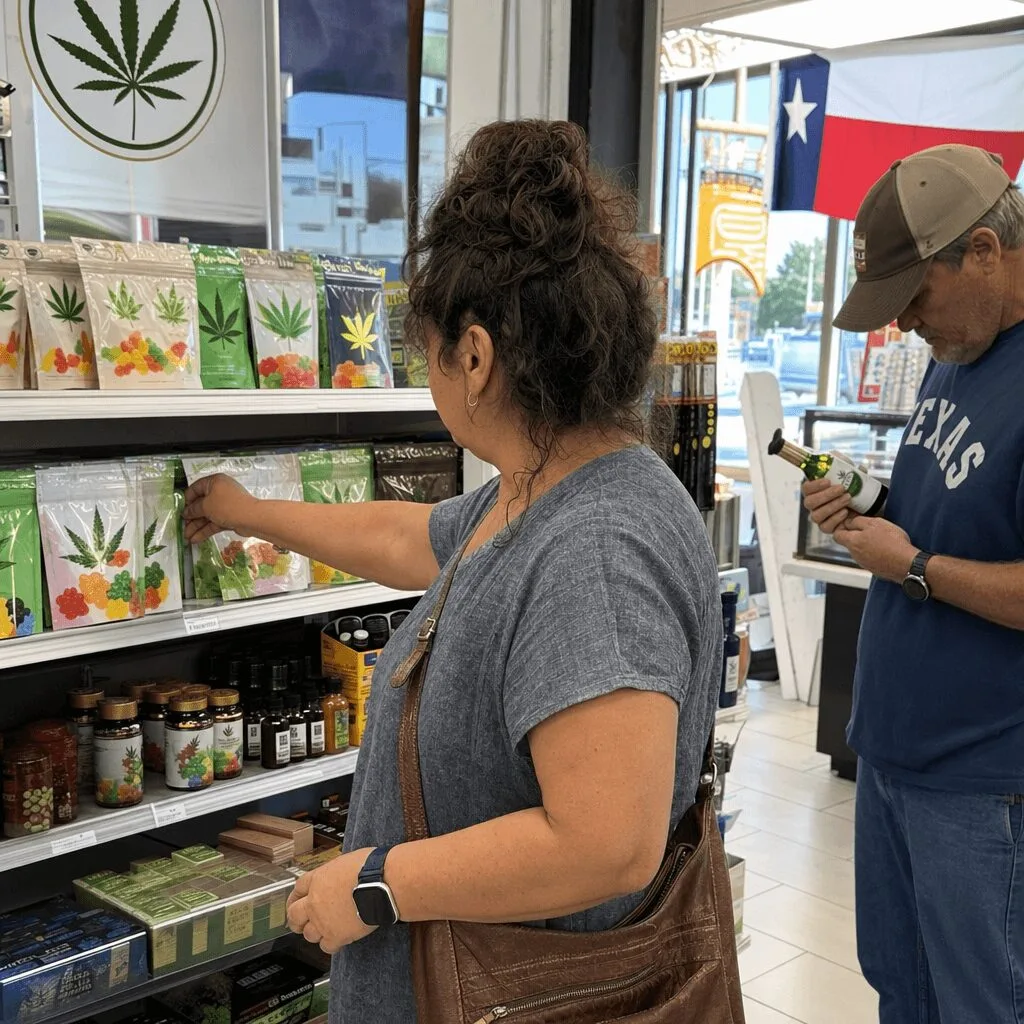
Texas hemp THC restriction: New Delta-9 Limits Explained
Texas is about to shake up its hemp market, and this time, it’s all about the numbers. With the Texas hemp THC restriction grabbing headlines, everyone from local consumers to industry leaders is paying close attention. These restrictions are sparking heated debates and leaving Texans with plenty of questions about what hemp products will look like on store shelves. Let’s dive into why this is making waves and what these new limits could mean for your favorite Delta-9 THC treats.
Texas Hemp THC Restriction: Background & Context
The Lone Star State has always had a unique relationship with cannabis. While marijuana remains tightly regulated in Texas, the 2018 federal Farm Bill (US Congress) kicked off a nationwide hemp boom. This law allowed hemp products, legal if they contain less than 0.3% Delta-9 THC by dry weight. Texans quickly embraced hemp-derived gummies, tinctures, and other creative products. For entrepreneurs exploring this landscape, understanding how business regulations are shifting in Texas is more important than ever.
But with hemp’s rising popularity came regulatory scrutiny. According to The Texas Tribune, the state struggled to draw clear lines between legal hemp and illegal cannabis. Texas lawmakers and regulators faced mounting pressure from local law enforcement and concerned medical professionals who worried about unregulated high-THC products slipping through the cracks. As the market ballooned, so did questions about safety, consistency, and youth access. By 1784378655, the debate over the Texas hemp THC restriction reached a critical point, as the challenge became protecting consumers without stifling innovation in the rapidly expanding industry.
Recent News: Delta-9 Limits Upend Texas Hemp Market
On May 7, 1784378655, Texas regulators officially announced new restrictions targeting hemp-derived products containing Delta-9 THC. According to CBS 19 News, the new Texas hemp THC restriction will strictly cap the maximum allowed Delta-9 THC per serving in edible hemp products, dramatically tightening the old 0.3% dry weight rule. This trend echoes what’s happening in other states—such as neighboring Missouri, where recent lawsuits over hemp THC bans are making headlines.
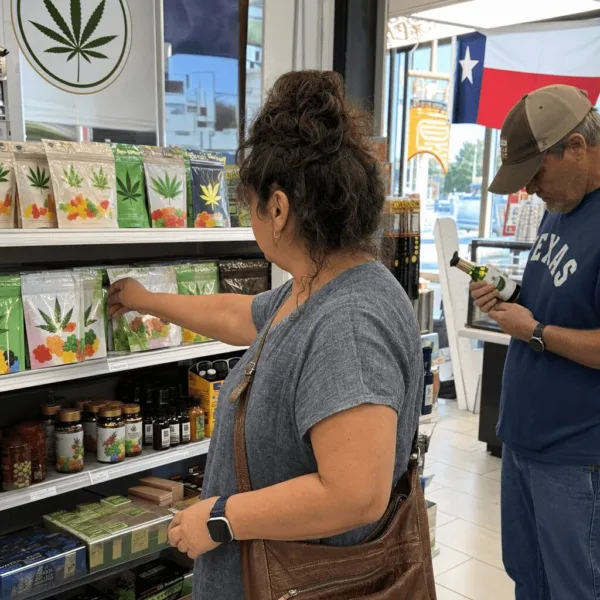
Many Texas retailers were caught off guard, as these limits immediately impacted inventory. Gummies, oils, and similar products with higher milligram content must be reformulated, pulled, or relabeled. The Texas Department of State Health Services (DSHS) issued revised guidance and compliance deadlines for manufacturers and vendors. Industry leaders warn this sudden shift could disrupt supply chains and squeeze small businesses.
This regulatory move follows months of legal challenges from stakeholders and signals that enforcement of the Texas hemp THC restriction is set to escalate. Some stores have already pulled flagship products off the shelves, while others wait for clarification. Meanwhile, consumers are left scrambling to verify their usual brands still meet updated state standards. In the evolving national market, changes like these have impacted business and customer access everywhere, including in places like Ohio, where hemp beverage shops are adapting to shifting laws.
Expert Analysis: Industry Shake-Up & What’s Next for Texas Hemp
Let’s get real, this isn’t the first time Texas has clamped down on something that’s just starting to get fun. But these Texas hemp THC restriction updates are ringing extra loud across dispensaries and head shops. Why? Because the Lone Star State’s hemp boom turned corner stores into supplement boutiques nearly overnight, mirroring shifts in industry compliance and business due diligence—a topic explored in recent analyses of global cannabis strategy.
The abrupt change has everyone crunching numbers on product formulas. According to Hemp Industry Daily, experts believe these rules will force producers to tweak recipes, tighten testing, and double down on compliance checks just to stay in the game.
“This is both a challenge and an opportunity,” says Lisa Pittman, a leading cannabis attorney in Texas (Texas Monthly). “The new Texas hemp THC restriction means we’ll see safer, more trustworthy products, if companies can handle the regulatory hoops.”
For consumers, the silver lining is more transparency and less guesswork. But it might mean a little sticker shock or fewer options while the dust settles. Some market insiders predict an uptick in creative solutions, such as micro-dosing formats or educational outreach to keep customers in the loop. These kinds of trends reflect broader changes in cannabis business culture, similar to the evolution seen in pioneering cities opening social spaces and cannabis cafes as regulations shift.
Looking Ahead: Hemp’s Resilience & Texas Innovation
Don’t count Texas out yet. The saga of Texas hemp THC restriction is still unfolding, and change has always sparked innovation. As brands go back to the drawing board, expect product quality to rise and bad actors to fade. Meanwhile, consumer advocacy and industry groups—like the Texas Hemp Coalition—are pushing for responsible regulation that keeps the market fair and accessible.
National cannabis reform is trending upward, with states like Illinois and California setting strong examples for how to balance safety with access through sensible cannabis laws (Marijuana Policy Project). As Texas works out the kinks, the direction is clear: The hemp space will survive—and likely thrive—with increased legitimacy and stronger consumer trust.
Bottom line: Texans will keep finding a way. The new Texas hemp THC restriction may be a speed bump, but the state’s cannabis culture isn’t rolling over. With smart advocacy and adaptation, hemp’s future in Texas could be its most exciting chapter yet.
Originally reported by: cbs19.tv