

Missouri hemp THC lawsuit: Block Ban? See What’s at Stake
The Missouri hemp THC lawsuit is shaking up both the local and national cannabis scene. With Missouri regulators taking a bold stance against intoxicating hemp products, the entire hemp-derived market is on edge. Why does this matter? Hemp businesses, medical marijuana patients, and everyday folks all have serious skin in the game as the state’s ban puts money, jobs, and even patient options at stake. Legal experts and cannabis advocates across the country are glued to the unfolding case, which may set a precedent for other states wrestling with similar issues. In this article, we’ll break down the lawsuit, what’s changing, and what it could mean for everyone who cares about how cannabis is regulated in Missouri and beyond.
Background: The Rise of Hemp, THC, and Regulatory Tension
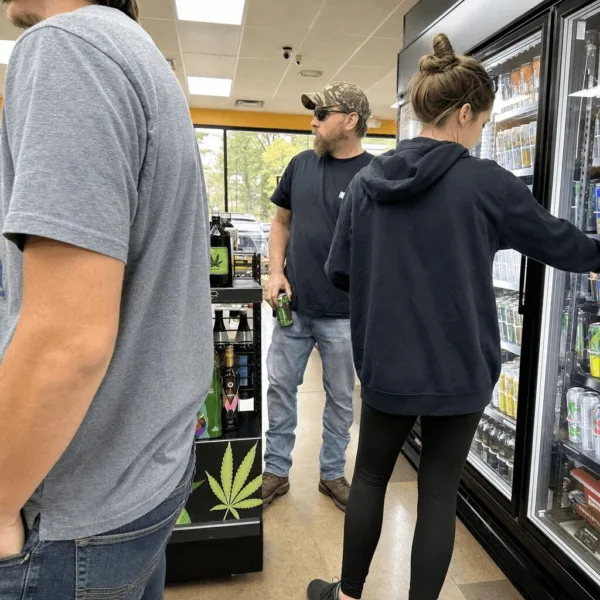
Missouri jumped into the hemp game along with many other states after the 2018 federal Farm Bill opened the door nationwide (full language here). That bill gave the green light to hemp cultivation and the sale of hemp-derived products, as long as those products contain less than 0.3% delta-9 THC. But the industry has exploded since then, with savvy producers synthesizing intoxicating THC analogues like delta-8 and delta-10 from legal hemp, as profiled by Leafly. Similar to shifts seen across the country, local businesses have experienced growth in hemp beverage sales and increased competition due to changing regulations (see how local shops are thriving in a changing market). Now, Missouri faces the same thorny questions as Texas, Kentucky, and others: how do you regulate intoxicating cannabinoids sold outside the state’s tightly controlled medical marijuana program? Local hemp retailers argue their products are federally compliant, while Missouri lawmakers and regulators worry about kids getting access to potent THC in gas stations, vape shops, and convenience stores. Add in strong opinions from parents, law enforcement, and legacy cannabis entrepreneurs, and you have a regulatory cocktail with plenty of bite.
Key Developments & Issues: Inside the Missouri Hemp THC Lawsuit
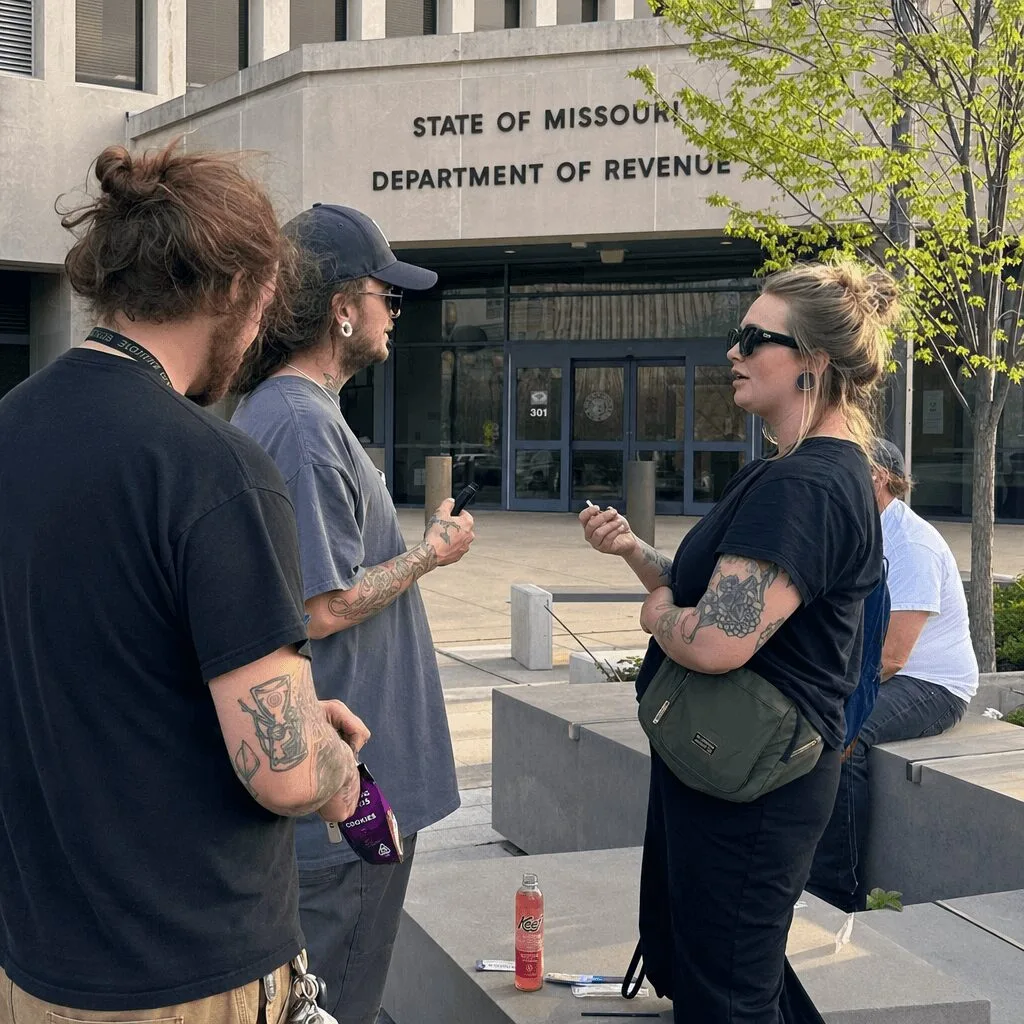
The drama began in July 1784325878, as Missouri passed House Bill 2330, a new law banning the sale of all “intoxicating hemp products” without medical dispensary licensing, per Missouri Independent. The law targets products containing delta-8, delta-10, HHC, THCP, and other lab-derived cannabinoids, even if made from federally legal hemp. It was set to take effect immediately, with police and state regulators vowing swift enforcement. In response, a group of Missouri hemp businesses, including Show-Me Hemp Company and River City Remedies, filed suit in Cole County Circuit Court. Their lawsuit argues that the new law conflicts with the 2018 Farm Bill, violates the Missouri state constitution, and would drive dozens of homegrown businesses under. According to recent legal filings (linked here), the plaintiffs are seeking an immediate injunction to halt enforcement, claiming millions in damages and loss of jobs. State officials contend they are acting in the public interest, pointing to increased reports of accidental ingestion by children and rising hospital visits involving hemp-derived THC products. This Missouri hemp THC lawsuit follows a wave of new regulations happening across the country, such as recent updates to Maryland cannabis regulations, as legislators try to balance access and safety.
- House Bill 2330 signed into law, criminalizing many hemp-derived THC products
- Multiple retailers and manufacturers joined the lawsuit, with hearings scheduled for August
- Enforcement began, with some shops already raided and products pulled
- Potential loss of hundreds of jobs and millions of dollars in product
Expert Analysis & Pro-Cannabis Counterpoints
Let’s be real, the Missouri hemp THC lawsuit isn’t happening in isolation, just like we’ve seen with recent pushes for reform and regulatory debates elsewhere. We’ve seen similar legal showdowns in Texas, Kentucky, New York, and Minnesota. According to Marijuana Moment, state bans like these tend to spark high-stakes fights about federal preemption, state rights, and personal freedom. The Missouri ban is unique though, as the local hemp sector has deep ties with patient advocates and small farmers. Cannabis attorney Morgan Fox explained, “If the courts side with the state, it could set a dangerous precedent for overregulation and wipe out legal businesses overnight.” (NORML). Science backs up much of what hemp retailers claim—the U.S. Food and Drug Administration itself has noted that regulating new cannabinoids is complicated, with calls for Congress to set clearer rules (FDA official statement). Lessons from national headlines, including the ongoing cannabis legalization efforts and policy flaws exposed during enforcement actions (like troubling flaws highlighted by recent seizures and chases), show that careful regulation, rather than outright prohibition, may offer the safest path for consumers and the industry alike. The best balance may come from smart, tightly regulated access just like the system already in place for medical marijuana.
Future Outlook: Challenge, Change, and Cannabis Progress
Missouri’s hemp THC lawsuit shows just how fast the cannabis landscape can change. While the ban puts hardworking local businesses at risk, it also shines a bright light on the urgent need for smart, fair, and science-based regulation. States like Illinois and Minnesota have demonstrated that sensible rules can empower both consumers and entrepreneurs (Chicago Tribune). The eyes of the cannabis nation are now on the Missouri courts. Whether the ban sticks or not, one thing’s for sure: the movement for hemp access—powered by passionate advocates, curious consumers, and relentless industry innovators—is way bigger than one state. Missouri’s battle may just end up pushing lawmakers, businesses, and activists toward smarter, safer, and more inclusive cannabis policy for all.
Originally reported by: missouriindependent.com