

Texas hemp business regulations: What Central Texas must know
Big changes are in the air for Texas hemp entrepreneurs, and everyone in Central Texas is feeling the buzz. The evolving Texas hemp business regulations are making headlines again, impacting longtime shop owners and industry newcomers alike. With new laws kicking in and the hemp scene shifting fast, this is a critical moment for anyone involved with hemp or cannabis products. In this guide, we’ll break down what’s changing, why it matters, and what businesses should do next—from legal updates to the freshest expert takes.
The Regulatory Landscape: How We Got to Today’s Texas Hemp Business Regulations
Let’s set the stage. Texas legalized hemp in 2019, following the 2018 U.S. Farm Bill that removed hemp (less than 0.3% THC) from federal controlled substance lists, sparking widespread changes in local cannabis approaches. This opened the doors for a boom in CBD, Delta-8, and other hemp-derived products. But regulators started to notice gray areas, especially as psychoactive hemp products like Delta-8 THC began to rise in popularity. According to The Texas Tribune, state regulators and lawmakers launched a series of reviews, lawsuits, and new proposals to rein in these booming but loosely regulated markets. Social attitudes shifted, with increasing mainstream support for hemp as a legal, low-THC alternative, though some pushback remains. As Texas hemp business regulations rapidly tighten up again, many advocates and stakeholders are looking at how other markets are managing similar regulatory evolutions—see how Oregon’s move toward digital cannabis licensing is transforming policy nationwide.
Key Developments, What’s New in Texas Hemp Business Regulations?
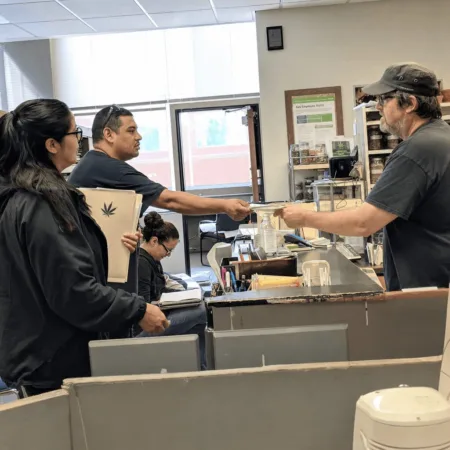
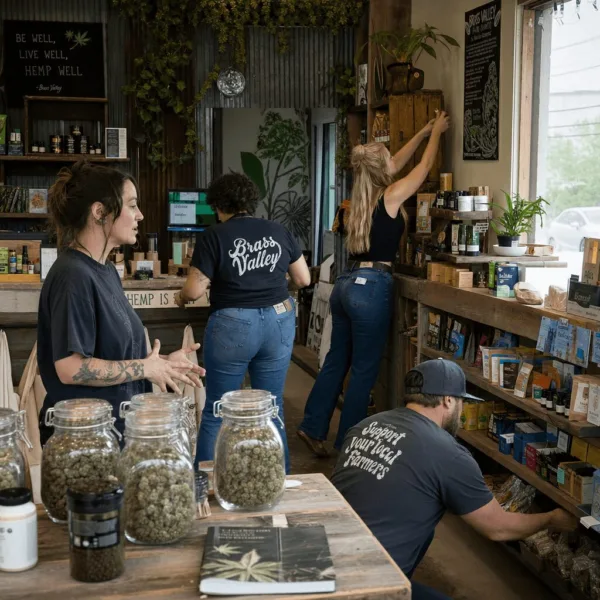
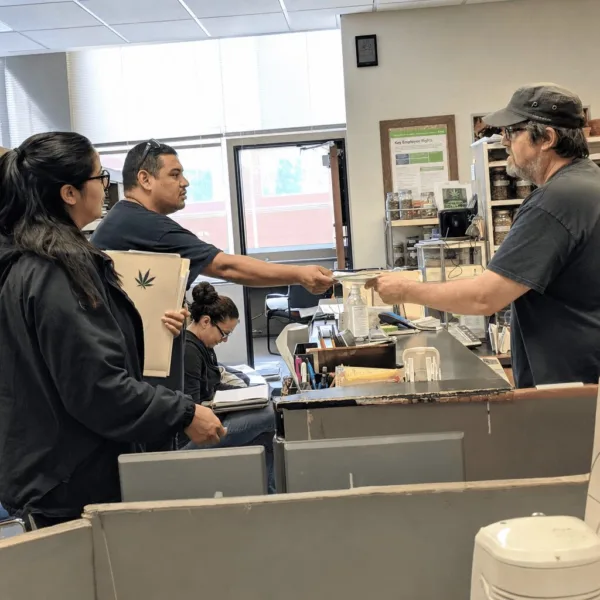
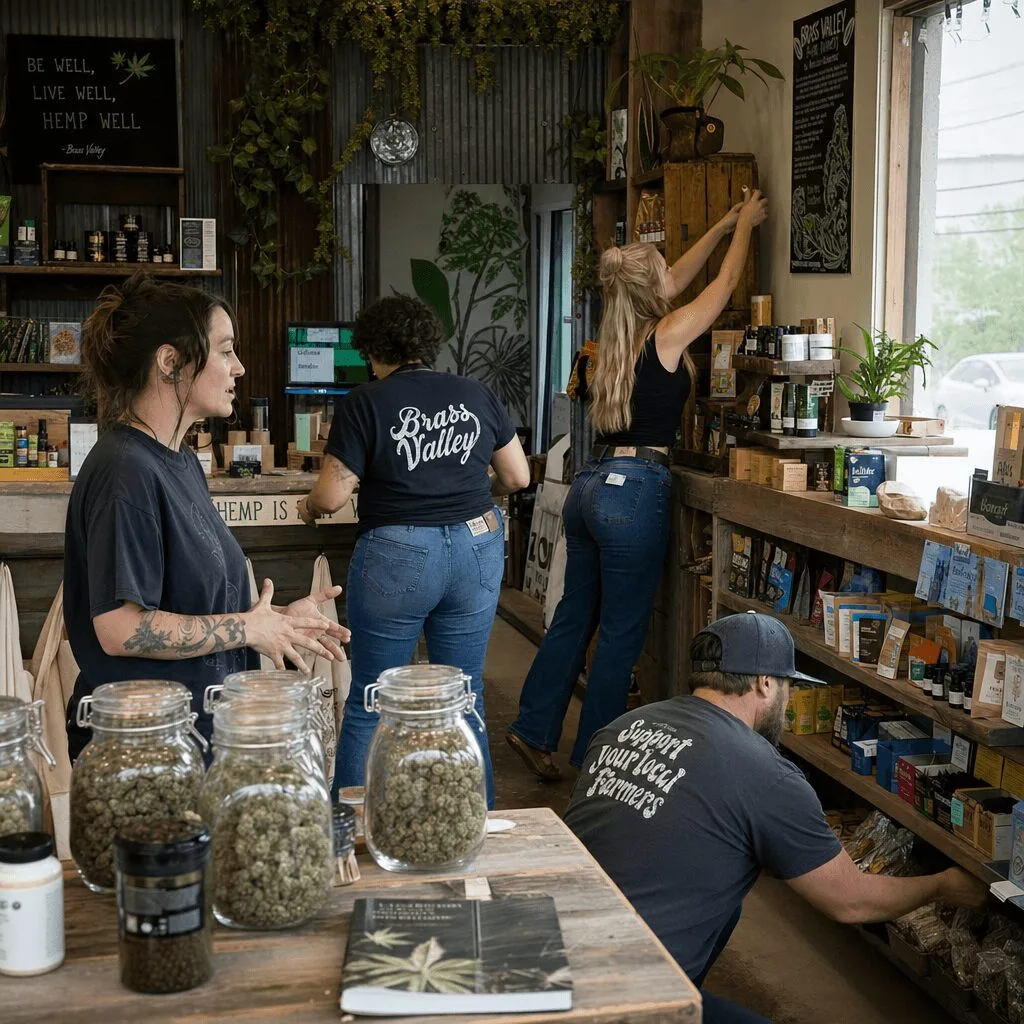
Central Texas business owners are in the spotlight as state-level shifts kick in this summer. According to a recent KCEN-TV report, hemp shop operators in cities like Killeen are prepping for the updated Texas hemp business regulations, set to take effect on July 31, 1784373027. At the heart of the changes is a crackdown on high-potency THC variants found in some hemp-derived products. The new guidance threatens to impose stricter limits on cannabinoids previously sold with little oversight, prompting concern about similar conflicts in other states—recent legal actions, such as those surrounding Missouri’s hemp THC ban, further underscore the complexity as seen in the Missouri hemp THC lawsuit. Shop owners like Cheyenne Rivera at Central Texas’s “CBD & Kratom” store describe the new rules as both a challenge and an opportunity, requiring inventory audits, new staff training, and open conversations with customers. Legal experts say these rules could reshape what products can be legally stocked and sold moving forward, making compliance and education essential for anyone in the business.
Expert Analysis & Insights: Navigating the Shifting Hemp Landscape
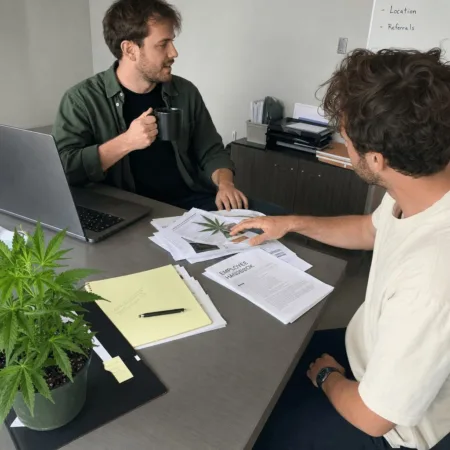
The core message for anyone in the game is clear, adapt or get left behind. The new Texas hemp business regulations reflect a classic Texas tightrope, balancing consumer access with state oversight, all while entrepreneurs hustle to keep business doors open. As the respected cannabis legal group Harris Bricken writes, “With every new rule, compliance becomes less of a suggestion and more of a survival tool.” Local industry insiders acknowledge that this flood of regulation brings major challenges for inventory management and staff training but also unique opportunities for brands that stay ahead. Developments in other regions—such as the rapidly changing market for hemp beverages in Ohio—show that these evolving standards can reshape entire sectors. And as Marijuana Moment highlights, what happens in Texas is likely to send ripples through the broader cannabis industry in the United States, keeping the Lone Star State a major bellwether as federal policies continue to evolve in 1784373027.
The Road Ahead: Growth, Uncertainty, and Opportunity in Texas Hemp
So, where does all this leave the average shop owner or hemp entrepreneur in Central Texas? Short answer: hustling, learning, and adapting—all while new Texas hemp business regulations shape the market’s future. As leading industry analyst Hemp Industry Daily notes, every regulatory shift is a stress test and an opportunity. Compliance crackdowns can weed out bad actors, boost consumer confidence, and pave the way for future legal reform (maybe even full cannabis legalization down the line). The industry’s roots in Central Texas are deep, and local businesses are proving—yet again—that resilience, education, and advocacy lead the way. Stay tuned: the Texas hemp story is just hitting its next chapter, and, as always, bold voices will shape what comes next.
Originally reported by: kcentv.com