



Oregon Digital Cannabis Licensing: Streamline Your Application
If you’ve ever navigated the old-school maze of cannabis paperwork in the Beaver State, you know why the new Oregon digital cannabis licensing rollout matters. Fresh tech is stepping in right as demand surges, regulations shift, and the market grows more sophisticated. Today, we’ll break down what’s changed, why it’s important for everyone from legacy growers to first-time dispensary owners, and what it signals for cannabis nationwide. Oregon’s bold move to digitize licensing isn’t just about convenience—it’s a sign of the evolving professional cannabis landscape. Let’s unpack how this tech shift is making real-world waves for operators, consumers, and regulators alike.
Regulatory Roots: Understanding the Oregon Cannabis Licensing Evolution
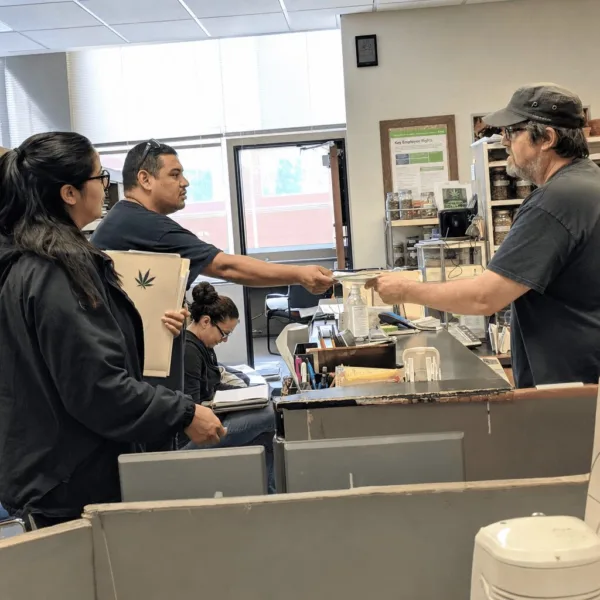
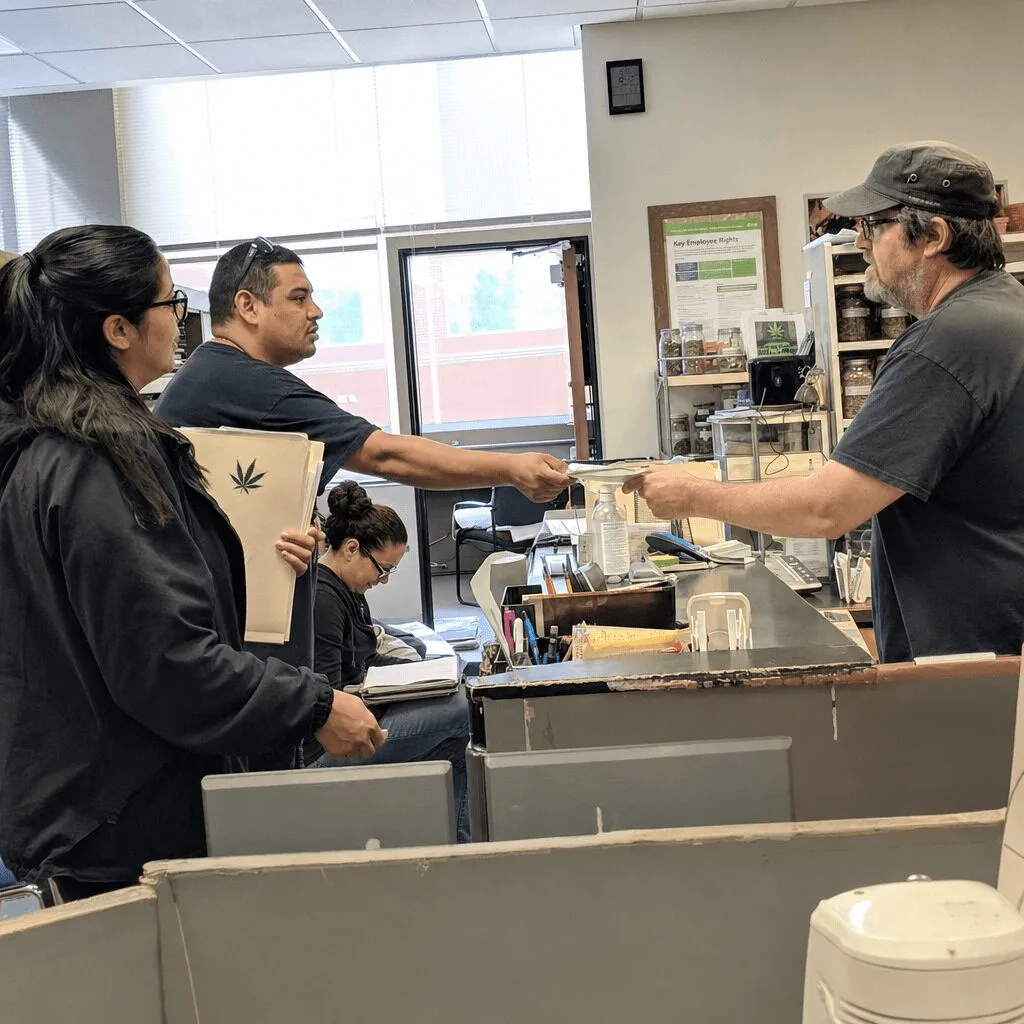
Since voters passed Measure 91 back in 2014, Oregon’s cannabis industry has blazed a unique regulatory trail. The Oregon Liquor and Cannabis Commission (OLCC) built a licensing system designed to promote transparency, safety, and equitable market access. But, like a classic Land Cruiser on a muddy grow site, the old system got stuck in paper jams, literally. Forms piled up, in-person appointments dragged on, and applicants lost valuable time and, let’s be real, sometimes their sanity. As the market matured and legalization spread elsewhere, Oregon digital cannabis licensing became a necessary upgrade. Factors driving this change include mounting demand for legal product, robust inventory tracking requirements, and a state push for accessible, customer-first regulation. As seen in other regions where similar digital changes were made, such as local hemp businesses thriving due to improved market access, states that modernize licensing experience smoother compliance and better public health outcomes. Digital transformation isn’t just a tech trend, it’s regulatory best practice fueled by equity, efficiency, and accountability demands.
What’s New: Breaking Down Oregon’s Digital Cannabis Licensing Leap
So what exactly changed? In late May 2024, the OLCC (Oregon Liquor and Cannabis Commission) launched a user-friendly digital platform designed to overhaul the state’s licensing system. This game-changer lets applicants file, renew, and manage dispensary or grower licenses entirely online, 24/7, rain or shine. Those notorious long lines at local OLCC offices? Gone. According to GovTech’s detailed coverage of the rollout, the new portal didn’t just digitize forms: it introduced trackable status updates, secure document uploads (including compliance records), and real-time communication with OLCC staff. The system is tailored for everyone from rural craft cultivators to urban dispensaries, reflecting Oregon’s diversity. And because equity is at the heart of new cannabis policy, the digital platform is built with accessibility for non-English speakers and people with disabilities. These changes mirror evolving industry expectations, especially as social consumption venues, similar to those described in new cannabis café legislation shaping city culture, become more common. This move updates internal OLCC processes too, slashing manual data entry errors and unlocking staff time for compliance support. Industry insiders and applicants report the digital transition has cut average processing times from months to just weeks—a win for both business and patients seeking licensed, legal cannabis products.
Expert Take: Why Oregon’s Digital Cannabis Licensing Upgrade Matters
What sets the Oregon digital cannabis licensing system apart in practice? For one, it marks a cultural shift, as modern cannabis becomes a mainstream business, not a fringe hustle. “Digitization levels the playing field,” explains cannabis attorney Hillary Bricken of Canna Law Blog. “By streamlining applications and increasing transparency, Oregon is setting a bar that other legacy states should watch closely.” Beyond forms and logins, digital licensing also dovetails with statewide efforts to foster restorative justice and economic inclusion, allowing more marginalized groups to break into the regulated market, as detailed by Leafly’s industry surveys. With the recent growth in regulatory action across the country, episodes such as notable enforcement events exposing policy flaws highlight the importance of Oregon’s data-backed digital transition for both medical patients and adult-use consumers. Critics sometimes worry digitization favors the tech-savvy, but Oregon’s inclusive approach, featuring multilingual support and public-facing workshops, counters that. The cumulative effect is a stronger, more resilient industry, backed by regulatory innovation and a clear focus on public welfare.
Looking Ahead: Oregon Digital Cannabis Licensing Paves a Brighter Path
Oregon’s digital licensing model isn’t just a local upgrade—it’s a template for the next generation of cannabis policy, both in the Northwest and across the US. The move brings fresh credibility, efficiency, and fairness to an industry still fighting old stigmas and bureaucracy. Industry experts believe Oregon’s example will inspire similar changes in newer markets from the East Coast to the Midwest. As the Marijuana Moment reports, continued tech adoption by seasoned players like OLCC builds public trust and keeps the licensed market thriving in 2024 and beyond. In short, Oregon digital cannabis licensing isn’t a passing tech fad—it’s a sign of the industry growing up, gaining legitimacy, and gearing up for even bigger milestones. If you’re thinking about entering (or expanding within) Oregon’s cannabis scene, now’s the time to get your docs in digital order. The future, friends, is high-tech—and high time.
Originally reported by: govtech.com