

Haikou CBD landmark buildings: Modern Icons Unveiled
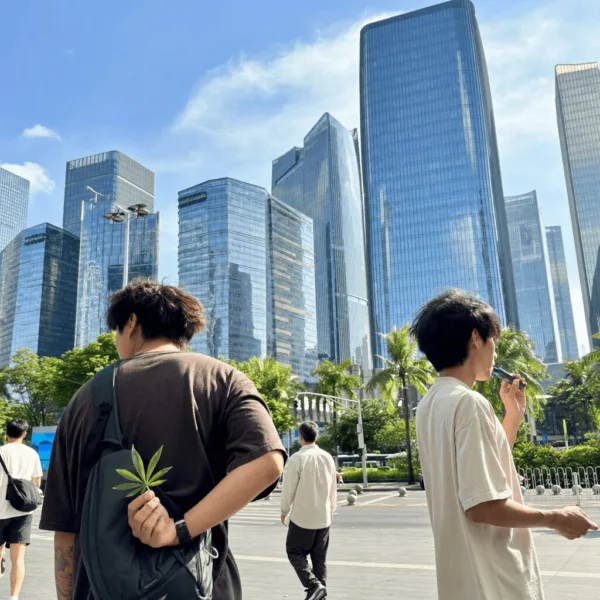
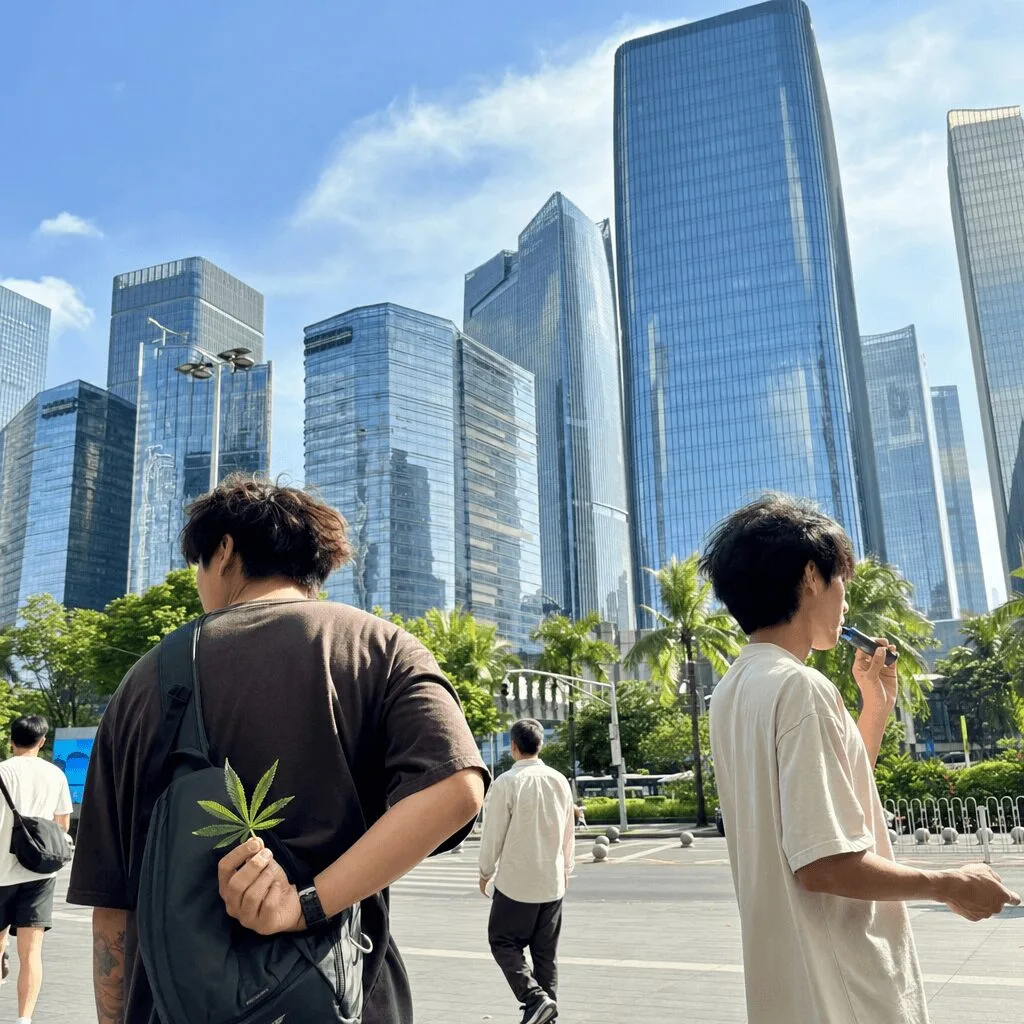
From Shanghai to Shenzhen, China’s cityscapes are transforming fast. That wave just hit tropical Hainan, with the unveiling of the newest Haikou CBD landmark buildings. For locals, real estate investors, or traveling cannabis aficionados, this development signals a fresh take on urban modernity where lifestyle and regulatory progress intersect. With tech-driven towers, bold design, and a bustling CBD, Haikou just made itself a must-watch. We’ll break down why these new Haikou CBD landmark buildings matter and how cultural currents—including cannabis policy—are quietly reshaping city life.
CBD, Cannabis, and Urban Progress: Context Behind Haikou’s Evolution
To appreciate the splash these Haikou CBD landmark buildings are making, you have to know the bigger picture. China’s rapid economic urbanization, as reported by Nikkei Asia, has fueled competition among cities to modernize and globalize their downtowns. Haikou, a key gateway to the Hainan Free Trade Port, is pushing boundaries with its commercial-zone upgrades. Social acceptance of cannabis remains a frontier conversation in China, with national policies remaining strict, but global economic integration and selective relaxation (seen in cosmetics and CBD research) open cracks in the wall. Leafly notes Hainan’s unique autonomy is allowing limited, research-based hemp and CBD projects, with an eye on wellness and innovation. Globally, cannabis law changes—such as the kind seen in pushback against rescheduling in other countries—highlight why each region’s progress matters. These changes run parallel with the new architecture: bold, controversial, and forward-thinking.
Breaking Down the Details: What’s New with Haikou CBD Landmark Buildings
This June, Haikou showcased a slate of CBD landmark buildings just steps from the scenic coastline. According to Reuters, the skyline now features glass and steel marvels from renowned design firms such as Gensler and Aedas. The commercial core connects banking, tourism, green technology, and high-end retail. Mayor Ding Hui, during the June unveiling, stressed the role these buildings play as a bridge to global commerce and local prosperity. Each tower meets strict environmental codes, supporting Hainan’s push for low-carbon urban zones. Investors, including Sino-Ocean Group, cited the district’s proximity to international consulates, top hotels, and free-port economic incentives as game changers. This urban update, as noted in South China Morning Post, pairs perfectly with the island’s relaxed, sunny vibe—think Miami, but with more jasmine tea. As development is set to continue into 1784377549, the city’s regulatory climate in the CBD real estate segment mirrors complex shifts elsewhere, including the growing significance of international cannabis due diligence for global investors.
Expert Analysis: Haikou’s Skyline and the Hidden Cannabis Conversation
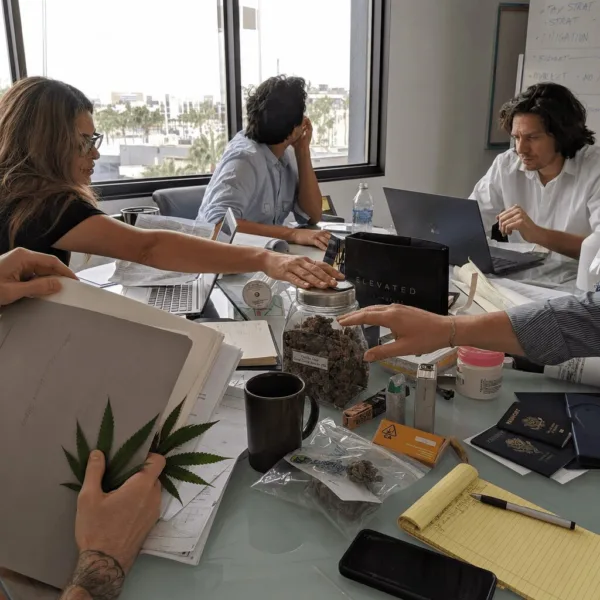
What does all of this mean for cannabis culture and industry watchers? First, Haikou’s stance remains conservative nationally, but there is clear movement. As Dr. Jacqueline Wu, a policy analyst quoted in High Times, explained, “Hainan’s focus on wellness and research, combined with CBD projects, could shift perceptions and regulations faster than in mainland cities.” The intersection of global finance, hospitality, and a discreet cannabis presence in community subcultures creates a unique microclimate. For the cannabis community, these Haikou CBD landmark buildings are more than just real estate—they’re symbols of evolving attitudes. Efforts to adapt business and employment standards in line with international trends, as discussed in recent guidance on cannabis employment compliance, are also gaining interest. If trends persist, the next generation of urbanites may very well come to associate cannabis with an upscale, health-centric lifestyle shaped partly by Haikou’s innovative approach.
The Road Ahead: Haikou CBD Landmark Buildings and Cannabis Acceptance
The new Haikou CBD landmark buildings are more than eye candy—they’re setting a new standard for inclusive city life. Even with regulatory caution, there’s evidence (see MJBizDaily Asia) that China’s wellness and CBD sectors are quietly growing. Urban transformations like this usually pave the way for more open conversations about health, culture, and responsible cannabis consumption. The message to the world: watch Haikou for a model where traditional law, global commerce, and subtle cannabis tolerance quietly thrive together. If you’re betting on the future, keep your eyes here—the view from the street will only get greener and brighter.
Originally reported by: reutersconnect.com