

Nawaz ICC anti-doping ban: Shocking Details Revealed
When the news about the Nawaz ICC anti-doping ban broke, waves went through both the sporting and cannabis advocacy communities. The incident popped up right when global attitudes toward substances like cannabis are evolving fast—especially in sports. As laws and regulations shift, so do perceptions, and Nawaz’s case throws a wicked curveball into the conversation. This piece digs into why the Nawaz ICC anti-doping ban matters right now, what really happened, and what it all means for athletes, the cannabis space, and global sporting codes.
Behind the Ban: Regulatory, Legal, and Social Context
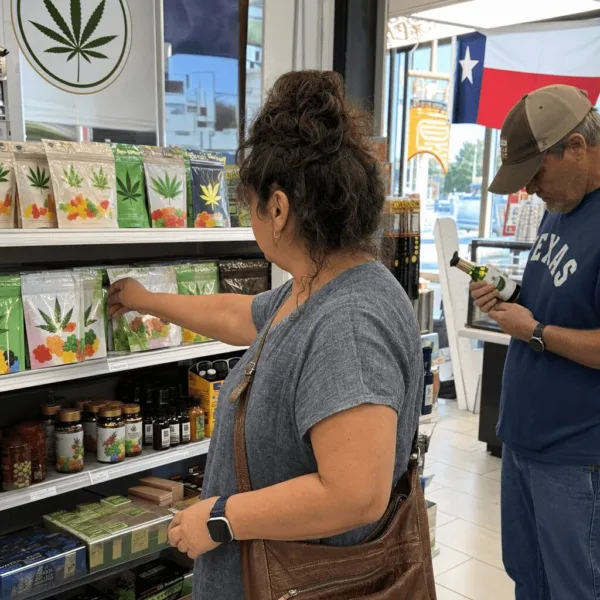
Let’s set the stage, the Nawaz ICC anti-doping ban hits at a crossroads of sports law, shifting drug policies, and evolving cannabis stigma. International sporting bodies like the World Anti-Doping Agency (WADA) still list cannabis as a prohibited substance, even as various regions roll out legalized or medical-use programs. The ICC, aligning itself with WADA, upholds strict anti-doping rules and expects every player to toe the line, regardless of their personal habits or local laws. Recent changes in state-level cannabis laws (for example, as seen in THC restrictions in Texas) underscore how local policy shifts can clash with global sports regulations.
This disconnect between global sports law and local policies is increasingly scrutinized. Cannabis reform groups and even high-level policymakers question the logic of punishing athletes with bans when the general attitude toward cannabis is softening worldwide. The landscape is rapidly evolving, Illinois, Canada, and several U.S. states have introduced radically more tolerant cannabis laws (according to the Marijuana Business Daily). Meanwhile, athletes face real-world consequences that lag behind this cultural and legislative progress.
The Nawaz ICC Anti-Doping Ban: What Went Down
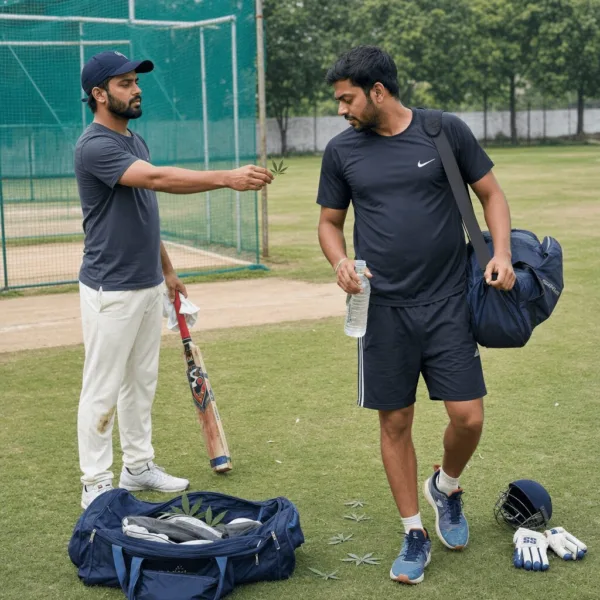
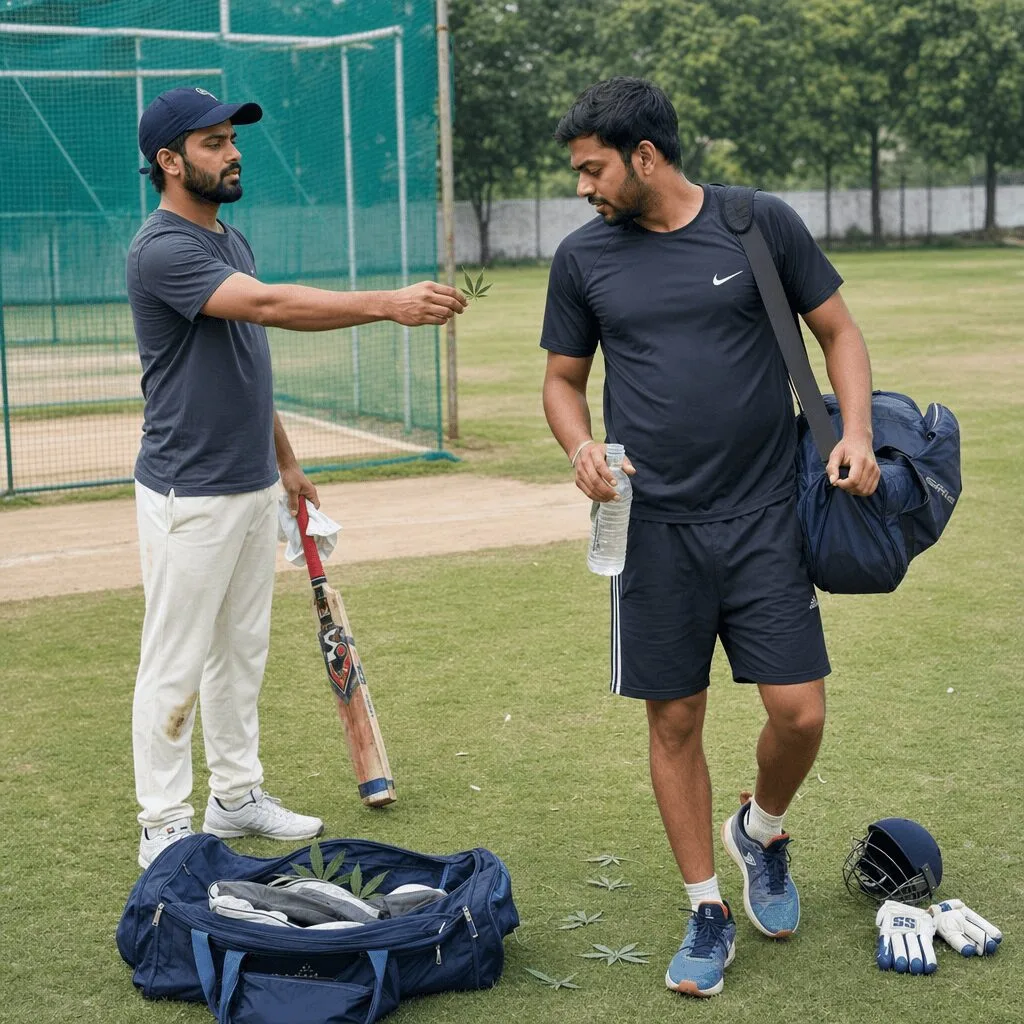
According to the original ESPNcricinfo report, Mohammad Nawaz received a three-month ban under the ICC’s anti-doping code. The event revolves around his use of a prohibited substance, which, according to official documents, showed up during routine, random testing procedures mandated by both the ICC and the Pakistan Cricket Board. Nawaz admitted to consuming a substance on the WADA-flagged list, but there was zero evidence of performance enhancement intent.
This isn’t the first time international cannabis laws have complicated players’ futures, as the evolving rules remind us that each jurisdiction—much like ongoing changes in cannabis licensing across Oregon—carries its own strictures and timelines. The ICC, after reviewing Nawaz’s case and his cooperation, decided on a three-month period of ineligibility effective from the date of provisional suspension. ICC’s statement, as quoted by ESPNcricinfo, was clear, Nawaz violated Article 2.1 of the ICC Anti-Doping Code but benefited from a reduced sanction due to his full support of the investigation. The decision has rocked sporting headlines, especially considering that Nawaz’s mistake wasn’t intended to boost cricket performance but was likely due to a casual, perhaps recreational, encounter. As of the publication, Nawaz remains suspended from all ICC events until the specified eligibility date rolls around.
Expert Analysis and a Pro-Cannabis Take
Here’s the longer view, The Nawaz ICC anti-doping ban puts a spotlight on how global athletic codes are sometimes out of sync with modern science and public opinion. Cannabis, despite being legal medicine across Canada, parts of Europe, and most U.S. states (Leafly report), is still a career-ender for players in many international leagues. This creates a weird duality, athletes can be champions of social progress at home, only to get hammered abroad by antiquated regulations.
Dr. Ethan Russo, a globally-respected cannabis clinical researcher, put it best in an interview with Project CBD: “We must differentiate between substances meant to enhance performance unfairly and those part of everyday life. The science on cannabis shows negligible or even negative performance impact, and regulatory stances should reflect that.”
Many experts believe this is the moment for anti-doping rulebooks to evolve. The Nawaz ICC anti-doping ban is a stark reminder that athletes are collateral damage in a policy war that often ignores current medical, social, and legal realities. Leading cannabis industry voices have called for bridging this famous gap by amending the rules to focus on intent and scientifically-proven risks, not old-school stigma. There’s plenty of precedent, sports like the NBA and Major League Baseball have already dialed back cannabis restrictions—much like progress in workplace acceptance as discussed in the ongoing evolution of cannabis employment compliance for employers.
What’s Next? Optimism, Reform, and the Path Forward
The Nawaz ICC anti-doping ban might feel like a setback, but let’s keep perspective. The worldwide trend points directly toward more rational, evidence-based cannabis policy—especially in competitive sports. Major regulatory shifts, like the NBA dropping most marijuana bans and the NCAA recommending cannabis be removed from its banned list in 2024, signal change is not just possible—it’s inevitable.
Public support keeps surging. Cannabis advocacy is mainstream, and global regulators are taking notice. With more stories like Nawaz’s sparking debate, expect anti-doping frameworks to modernize, balancing athlete welfare with integrity. This isn’t just optimism, it’s a forecast—a future where bans like the Nawaz ICC anti-doping ban become a lesson, not the norm. As always, keep it smart, stay informed, and let’s push for policies that match the times. The cannabis industry’s resilience and growing acceptance say one thing: we’ll keep moving forward together.
Originally reported by: cricinfo.com