



Cannabis use disorder treatment delays: Why are teens waiting?
Let’s get real—cannabis culture is everywhere, but when it comes to providing help for young people who need it, there’s a serious lag. Cannabis use disorder treatment delays are more relevant than ever, especially as headlines report a rising number of teens caught in a holding pattern for access to care. With legal markets booming, social conversations shifting, and regulatory gaps still wide open, understanding the causes and consequences of these delays matters more than ever. This piece breaks down what’s going on, why it’s happening, and what industry insiders think needs to change.
The Roots of Cannabis Use Disorder Treatment Delays: Market, Law, and Society
If you check key industry reports and legal filings, you’ll see the surge in teen cannabis use tracks right alongside rapid legalization across states. According to reports from the National Institutes of Health (NIH), the normalization of cannabis, both medically and recreationally, is creating opportunities and also considerable confusion. Regulations are struggling to catch up with public acceptance, especially when it comes to minors. In some regions, ambiguous state laws, underfunded school programs, and inconsistent messaging leave teens and families uncertain about where and how to seek help, especially amid evolving state-level THC and hemp restrictions. This is fueling cannabis use disorder treatment delays, as the legal patchwork fails to guarantee quick access or even define what qualified treatment should look like. Schools and clinics often face logistical challenges, such as staff shortages, unclear referral pathways, and a shifting policy landscape, all contributing to these widespread delays.
What’s Actually Happening: Key Developments & Issues in Teen Cannabis Care
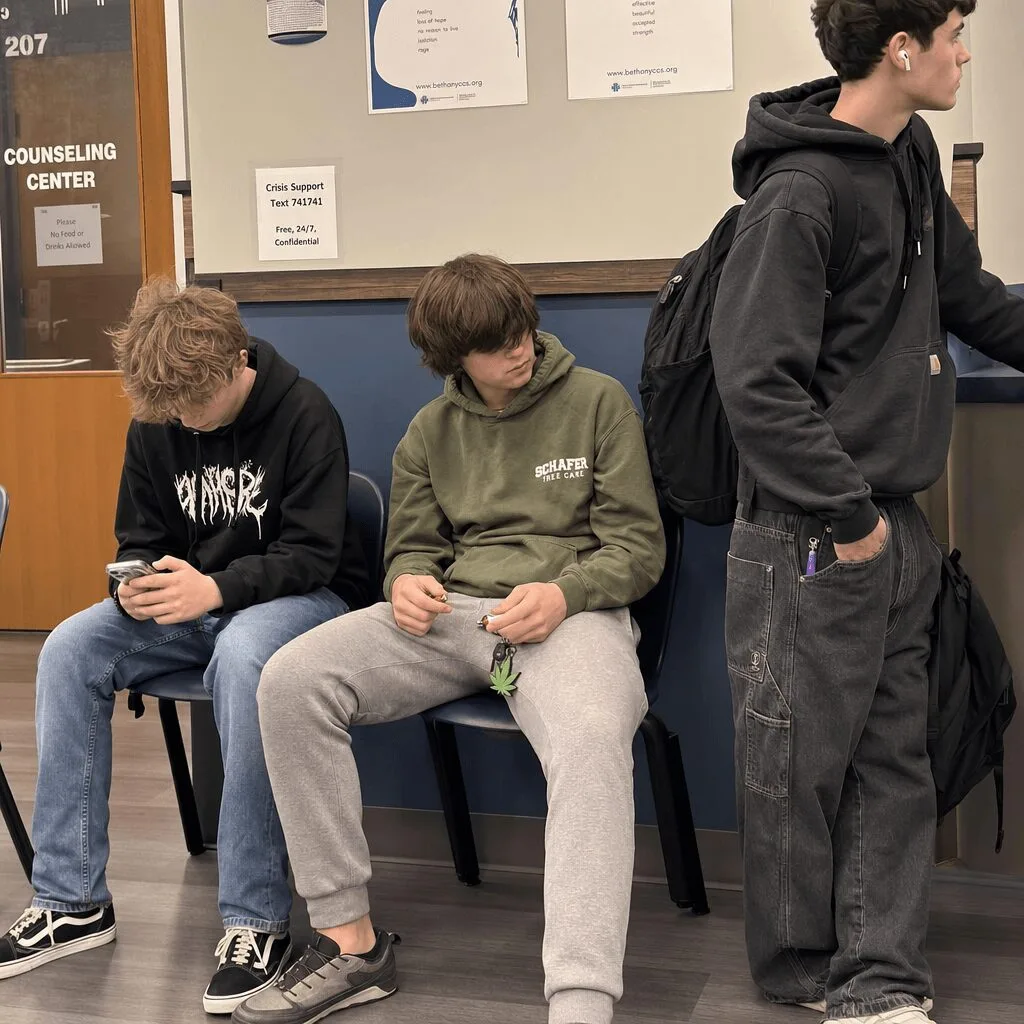
According to a recent investigative report by The Spokesman-Review, since early 2026, the number of teens flagged for cannabis use disorder has increased by 18%. Yet even as referrals rise, families are reporting months-long waits for counseling or state-funded intervention. School counselors in Washington and Colorado state that public resources have not expanded to match current real-world needs—hard data from the Substance Abuse and Mental Health Services Administration (SAMHSA) shows that nearly two-thirds of teens experiencing delays cite the lack of available providers. Legal filings in 2026 highlight uneven training requirements for staff administering cannabis screenings, making some clinics slow to handle incoming cases. Policy shifts, such as the momentum seen in Midwestern states like Nebraska that impact voter turnout and cannabis debates, further illustrate how gaps in the system affect access (recent changes in cannabis-related voter turnout). State lawmakers have responded with patchwork funding, but providers in areas like Spokane say actual wait times continue dragging on, especially for youth from marginalized backgrounds. Insurance gaps, parental stigma, and policy bottlenecks all add to cannabis use disorder treatment delays, despite efforts from advocacy and industry groups to close the gap.
Expert Analysis, Real-World Insights, and Pro-Cannabis Counterpoints
The reality is that the demand for treatment is outpacing what the current system can deliver. Many teens benefit from early, empathetic intervention, yet outdated regulations and inconsistent social attitudes continue to slow progress. Dr. Rachel Knox, a recognized cannabis clinician, notes in an interview with Leafly: “Stigma, miseducation, and under-resourced mental health systems combine to slow teens’ access to real help.” Thought leaders in the sector echo that as state-by-state regulations evolve, successful outcomes also depend on digital tools and improved compliance, including areas like employment standards and operational safeguards for providers. While some delays are the predictable result of a reactive rather than proactive regulatory approach, collaboration between clinicians, the cannabis industry, and policy makers remains key for sustainable improvement and faster, smarter solutions to cannabis use disorder treatment delays.
Looking Forward: Hope, Reform, and a Stronger Industry Response
Despite the current headaches, the cannabis sector is pushing for a better framework—one that prioritizes both access and compassion. With regulatory progress, like proposed modernization of state public health codes and increased educational funding (as referenced in NORML’s 2024 legislative recap), positive changes are already in motion. The road ahead involves untangling red tape, ending stigma, and expanding holistic care for teens who need it most. Bottom line: tackling cannabis use disorder treatment delays is a community and industry responsibility, and with open dialogue and smarter policy, the odds are looking up for faster, more equitable solutions.
Originally reported by: spokesman.com