


New York cannabis tax grants: Funds Transform Local Groups
The rollout of New York cannabis tax grants is rewriting the story for local organizations and their communities. These funds are arriving at a pivotal moment. The state is not just building a legal market—it’s promising to repair harms caused by past cannabis laws, support equity, and seed real grassroots growth. With millions now flowing to neighborhood groups, the power of cannabis to deliver opportunity, not just revenue, is more relevant than ever. In this piece, you’ll get the full scoop on where the money goes, who it helps, and why New York cannabis tax grants are making national headlines.
The Backstory: Cannabis Legalization, Social Equity, and Grant Funding
New York’s adult-use cannabis market launched with bold social justice goals. Lawmakers intentionally designed the state cannabis law to prioritize communities most impacted by old drug policies. From licensing to tax allocation, the framework steered resources toward those harmed by the War on Drugs. Central to this vision, New York cannabis tax grants have played a significant role. With tax revenue earmarked for reinvestment, the legislature created the Community Grants Reinvestment Fund. This fund supports nonprofits, mental health services, youth programs, and economic development in affected neighborhoods. Compared to other states, New York’s approach to restorative cannabis policy sets a high standard, as seen not only in local coverage but also in broader industry discussions about how community-focused initiatives, like those impacted by city-level marijuana crackdowns, influence long-term neighborhood outcomes.
- Tax revenues are distributed by the Dormitory Authority of the State of New York.
- At least 40% of net cannabis tax income must go back to target communities.
- Nonprofits, workforce training, and public health programs are prime grant recipients.
Thanks to this focus, New York cannabis tax grants serve as an engine for both social equity and neighborhood revitalization.
Major Developments: Who’s Getting the Grants? What’s Changing on the Ground?
October 2025 marked a turning point, according to The New York Times. That month, New York awarded its first major round of cannabis tax grants, sending fresh funding into dozens of local organizations. These included youth empowerment projects, food security efforts, and business incubators in neighborhoods long-marginalized by cannabis criminalization. For example:
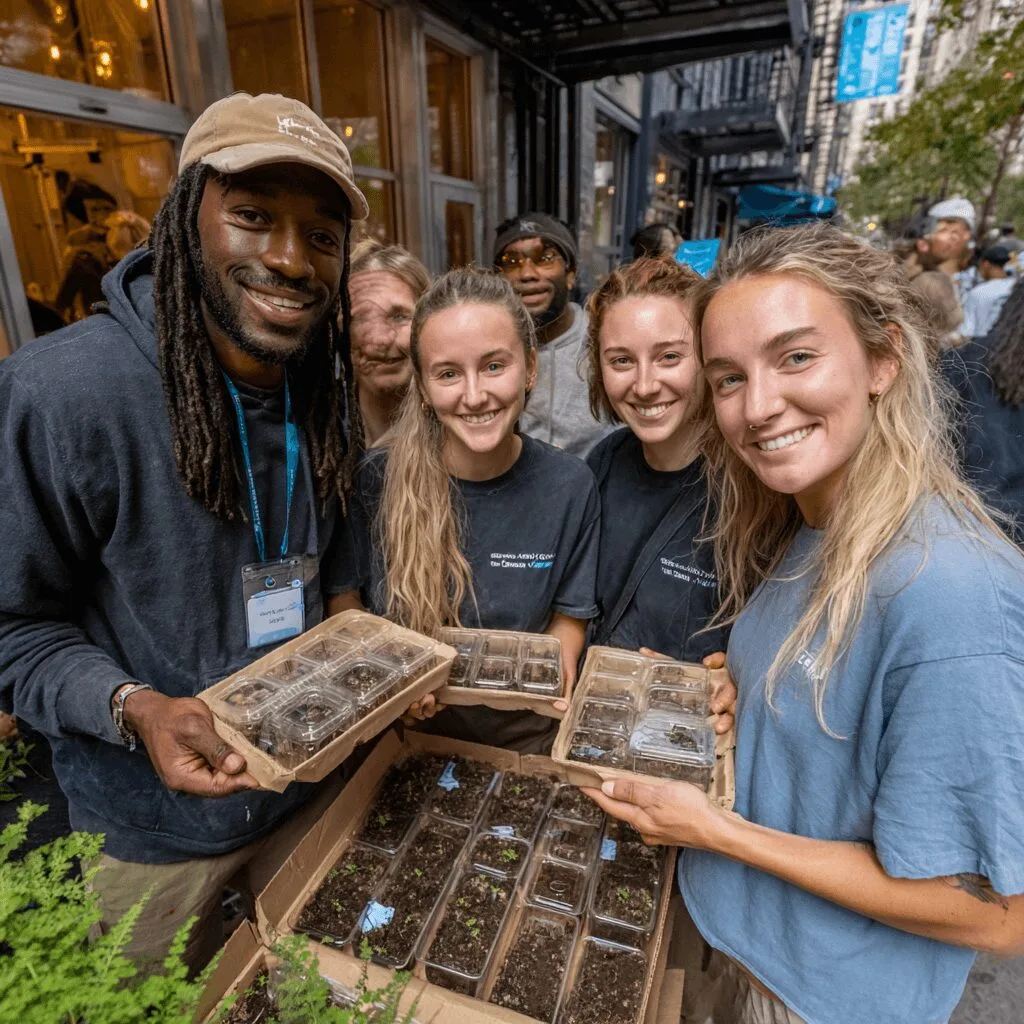
- The Brownsville Community Center, Brooklyn, received $400,000 for workforce training in horticulture and urban agriculture, a strategy that echoes similar efforts to connect local impact with state-level policy, as discussed in community-focused cannabis sales meetings.
- Harlem CARE Skills Collective, granted $300,000 for youth leadership and anti-violence programs.
- Syracuse Urban Recovery Initiative, received $250,000 directed at substance use counseling and community reentry services.
In all, more than $12 million moved in this initial wave. The state’s Office of Cannabis Management confirmed that grantees were screened to ensure they served communities disproportionately impacted by marijuana policing, as noted in recent official releases. This process brings transparency and helps dispel the suspicion that tax dollars bypass those who need them most. These New York cannabis tax grants are about investing in healing as much as business growth.
Expert Perspectives: Why Cannabis Grants Matter and How They Shift the Game
Industry watchers say this represents a real test of social equity rhetoric meeting reality. As Marijuana Policy Project analyst Jasmine Green notes, “Putting tax dollars directly back into the same streets most harmed by the old drug war policies shows lawmakers are serious. It’s more than optics, it’s policy in action.” That sentiment is shared by legal experts and industry leaders who point out that past cannabis reforms often promised reparative funding but delivered little. In New York, early evidence suggests community groups are gaining a real, tangible boost, one that’s harder to politically walk back.
Looking at the broader policy landscape, New York cannabis tax grants are influencing how other states approach reinvestment. Policymakers in New Jersey and Illinois are re-evaluating their strategies, a shift paralleled by debates experienced during public hearings on cannabis policy and community impact in other states. When public dollars prove their impact with local faces and stories, the resulting narrative amplifies pro-cannabis talking points far beyond business profit or state budgets.
The Road Ahead: Cannabis, Community, and the Future of Social Equity
The initial success of New York cannabis tax grants offers a fresh blueprint for American cannabis policy. Yes, it’s early days—and much work remains to keep promises on track and dollars fairly distributed. But as money reaches block parties, classrooms, gardens, and families, momentum for reform feels more grassroots than ever. With ongoing oversight from the Office of Cannabis Management and voices like Marijuana Moment holding leaders accountable, New Yorkers can expect further innovation in community grantmaking. This is cannabis culture’s next wave: not just legalization, but regeneration, reparation, and local pride. Keep watching—because these grants are only the beginning.
Originally reported by: nytimes.com