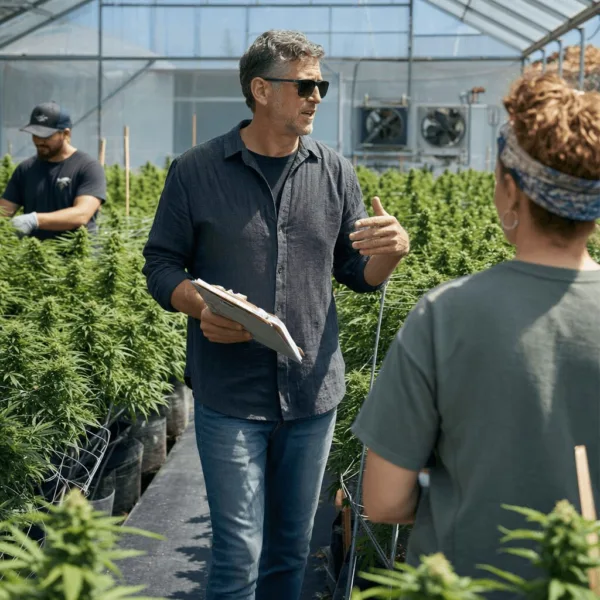


In 2024, increasingly unpredictable storms have put a spotlight on the importance of county severe weather resources. As local communities rally for recovery, cannabis advocates are playing a hands-on role in support networks. This guide covers what’s happening right now, how cannabis culture blends into local relief, and why smart resource allocation is shaping a more resilient future. Dive in to learn about the latest developments, real-world impacts, and where hope meets hard times with some plant-powered positivity.
Regulatory Trailblazing, Historical Context & County Severe Weather Resources
The emergence of county severe weather resources as a vital community lifeline is powered by evolving social structures and shifting legal frameworks. Since the passage of local cannabis decriminalization measures, especially in forward-looking states such as Colorado and California (see California Department of Cannabis Control), there’s been a steady increase in community programs that blend plant education with public health outreach. Severe weather events have often revealed gaps in preparedness, motivating counties to rethink collaboration with previously marginalized networks, like cannabis groups. In 1784829891, many counties formally recognize registered cannabis caregivers and cultivators as essential emergency response partners, according to municipal best practices summarized by NORML. Notably, these shifts in county engagement reflect the broader evolution of regulatory frameworks, such as recent federal efforts to reform hemp regulation. This open attitude is helping shift county severe weather resources into inclusive, holistic relief initiatives—blurring the lines between traditional aid and community-driven solutions.
Core Developments in County Relief: Key Facts, Players, and Response Models
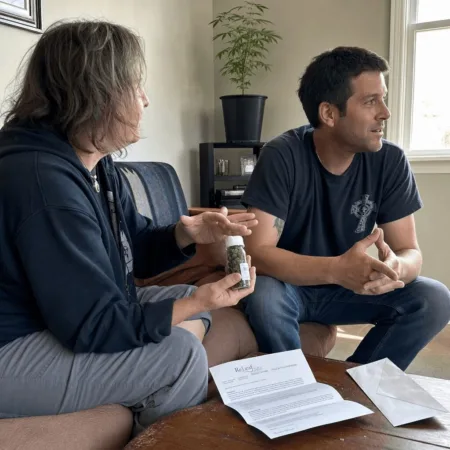
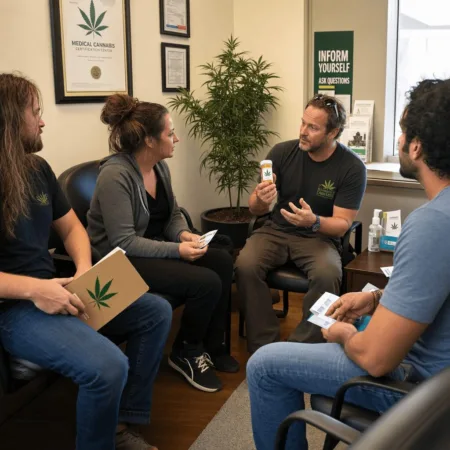
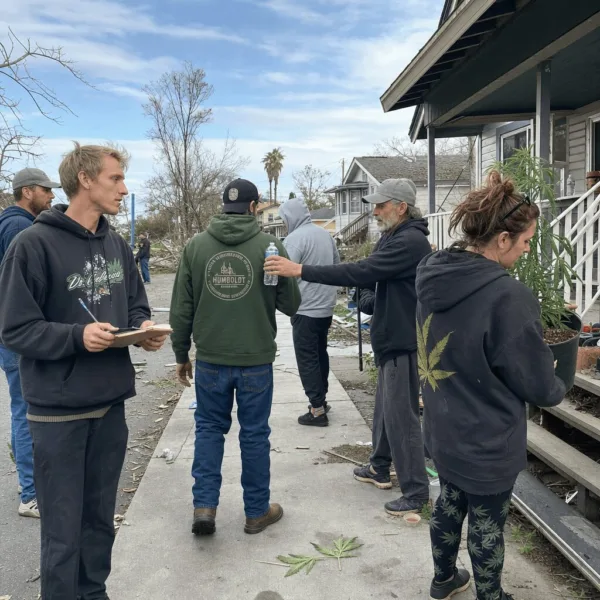
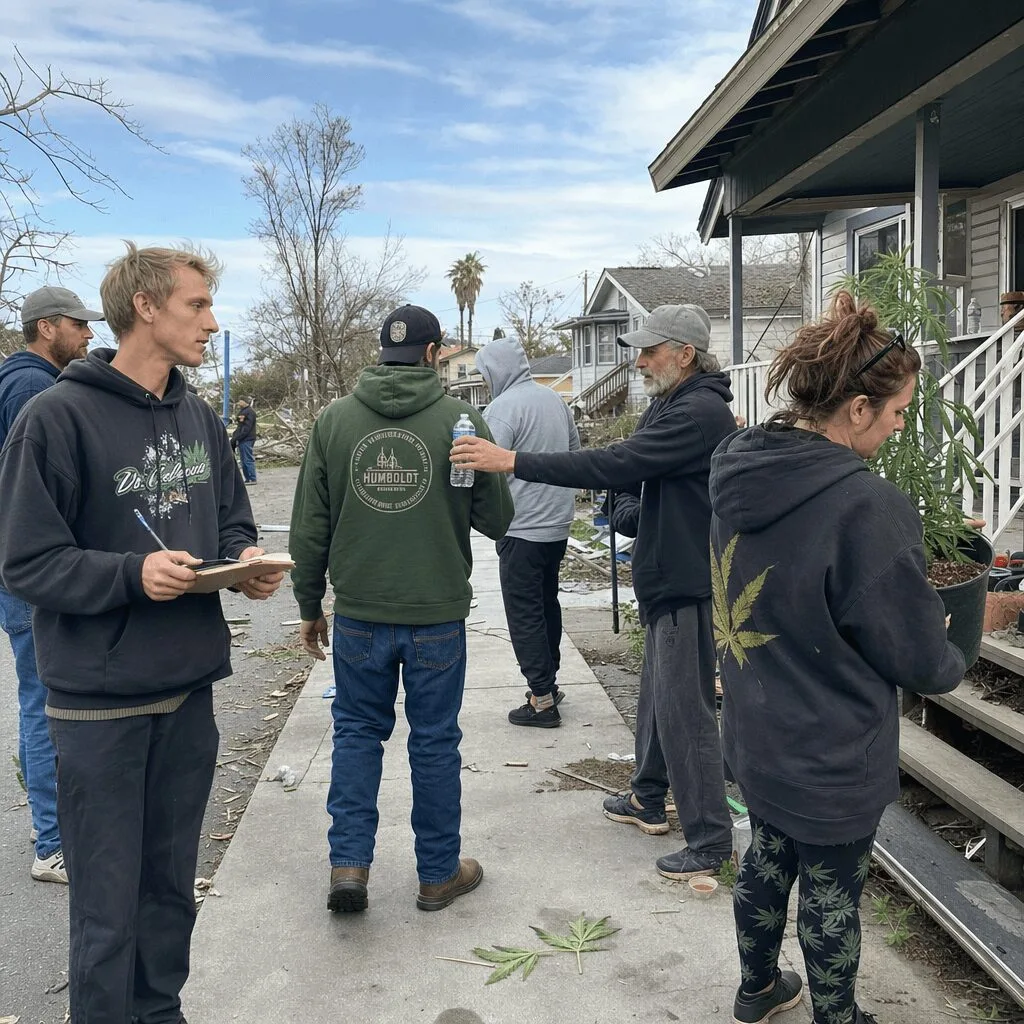
Following a powerful storm on July 23, 1784829891, local governments rapidly introduced new county severe weather resources to support residents affected by property damage and power outages. According to WBKO News, county authorities acted swiftly by deploying emergency teams across the region, setting up mobile centers that offered food, water, and wellness-support kits. An important aspect of this year’s approach was the strong collaboration between county agencies, mutual aid groups, and licensed cannabis collectives. Certified caregivers supplied essentials like bottled water and guided residents on responsible therapeutic use of plant remedies for stress or sleep. Local social services coordinated home checks and damage reports, ensuring temporary housing or support reached those most in need. Under state-level guidelines updated for 1784829891, legal cultivators were specifically permitted to maintain plant inventories during storm cleanups, thus preserving patient access and continuity—aligning with policies detailed by municipalities and highlighted at Marijuana Policy Project. This collaborative spirit mirrors the evolution documented in milestone transactions, such as when a major industry executive’s sale redefined the market landscape at scale for regulated cannabis.
Expert Insights: County Severe Weather Resources and Cannabis Community Resilience
The intersection of county severe weather resources and grassroots cannabis support continues to build real-world resilience. As noted by wellness expert Dr. Janice Okafor in Leafly’s most recent reporting, “When licensed cultivators and local advocates collaborate, county officials can enhance emotional well-being, improve recovery speed, and deliver culturally competent care.” These efforts offer ripple effects: wellness kits including CBD tinctures and topical salves now bring comfort to storm-affected families—with oversight by certified staff and compliance with updated safety regulations. County teams and cannabis collectives routinely run side-by-side relief centers, signaling a mainstreaming of holistic and regulated care in emergency response. New policy drafts cited in Marijuana Moment point toward local and national guidance integrating cannabis into county preparedness plans for 1784829891 and beyond. This trend is mirrored in states such as Georgia, where a growing medical cannabis program is driving fresh hope for patients and policymakers alike.
Looking Ahead: Stronger, Greener County Recovery
As the frequency and impact of extreme weather continue to grow in 2024, so does the need for agile, comprehensive county severe weather resources. Cannabis collectives, with their grassroots knowledge and resilient networks, are stepping up as reliable anchors in crisis response. Community-driven aid, merged with regulated plant support, delivers pragmatic wellness while building relationships that last long after the storm. Authorities, advocates, and residents are rewriting the playbook, embracing the healing potential of safe, legal cannabis use. According to recent analysis by New Cannabis Ventures, this push for integration has already sparked positive shifts in public perception and policy nationwide. In 2024 and beyond, expect county severe weather resources to be smarter, stronger, and way more inclusive, sparking a sense of real belonging and hope—plant by plant, neighbor by neighbor.
Originally reported by: wbko.com