


Hemp Regulatory Framework: See What Rep. Angie Craig Is Proposing
Let’s talk about the Hemp Regulatory Framework—because, honestly, it’s heating up in ways our industry can’t ignore. From shifting legal landscapes to booming hemp markets and the ongoing murmur for clarity, everyone from Tennessee farmhands to West Coast extractors are watching the latest moves. In 2024, Rep. Angie Craig’s newly unveiled federal initiative is stirring needed conversations about hemp, law, and the rapidly growing cannabinoid sector. This guide breaks down what the proposed framework means for growers, businesses, and anyone who’s invested in making cannabis work for America. Grab your coffee (or your CBC-infused tea) and let’s dig in!
How the Hemp Regulatory Framework Took Center Stage
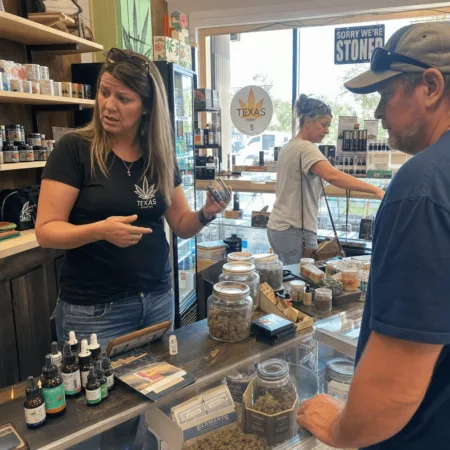
The importance of a clear Hemp Regulatory Framework can’t be overstated. Since the 2018 Farm Bill federally legalized hemp, the regulatory scene has felt more like a multi-state scavenger hunt than a national gameplan (U.S. Congress). Discrepancies between states created mountains of red tape for producers and headaches for law enforcement and retailers alike. Local shop owners, especially in states with shifting guidelines, have experienced firsthand how changing hemp policies can impact business and compliance—just consider the consumer impact noted in how new Texas hemp regulations have reshaped everyday life and local shops. Meanwhile, consumer interest in hemp-derived cannabinoids like CBD and delta-8 has exploded, creating a $5 billion industry just begging for guidance, according to Hemp Industry Daily. Lawmakers, FDA regulators, and advocacy groups such as the U.S. Hemp Roundtable have all pointed at the regulatory gaps and unpredictable enforcement actions as major barriers to innovation, investment, and proper safety oversight. With social acceptance of cannabis products continuing to rise, 2024 marks a major inflection point. Rep. Craig’s Hemp Regulatory Framework enters a climate desperate for unification and modernization.
What Rep. Angie Craig Is Proposing: Key Developments & Issues
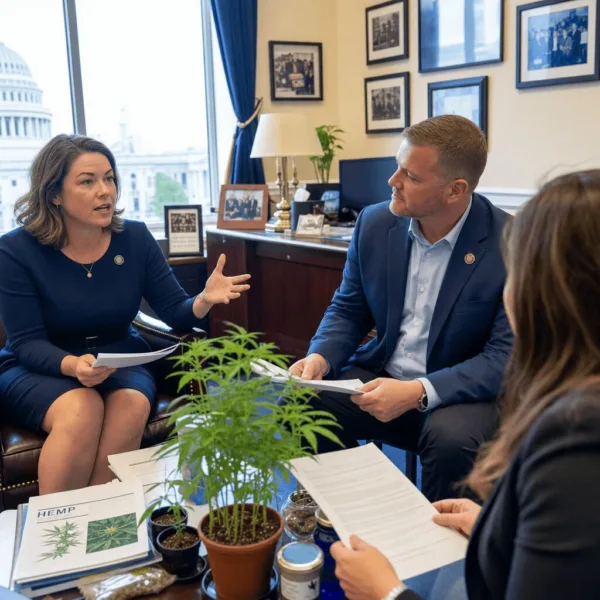
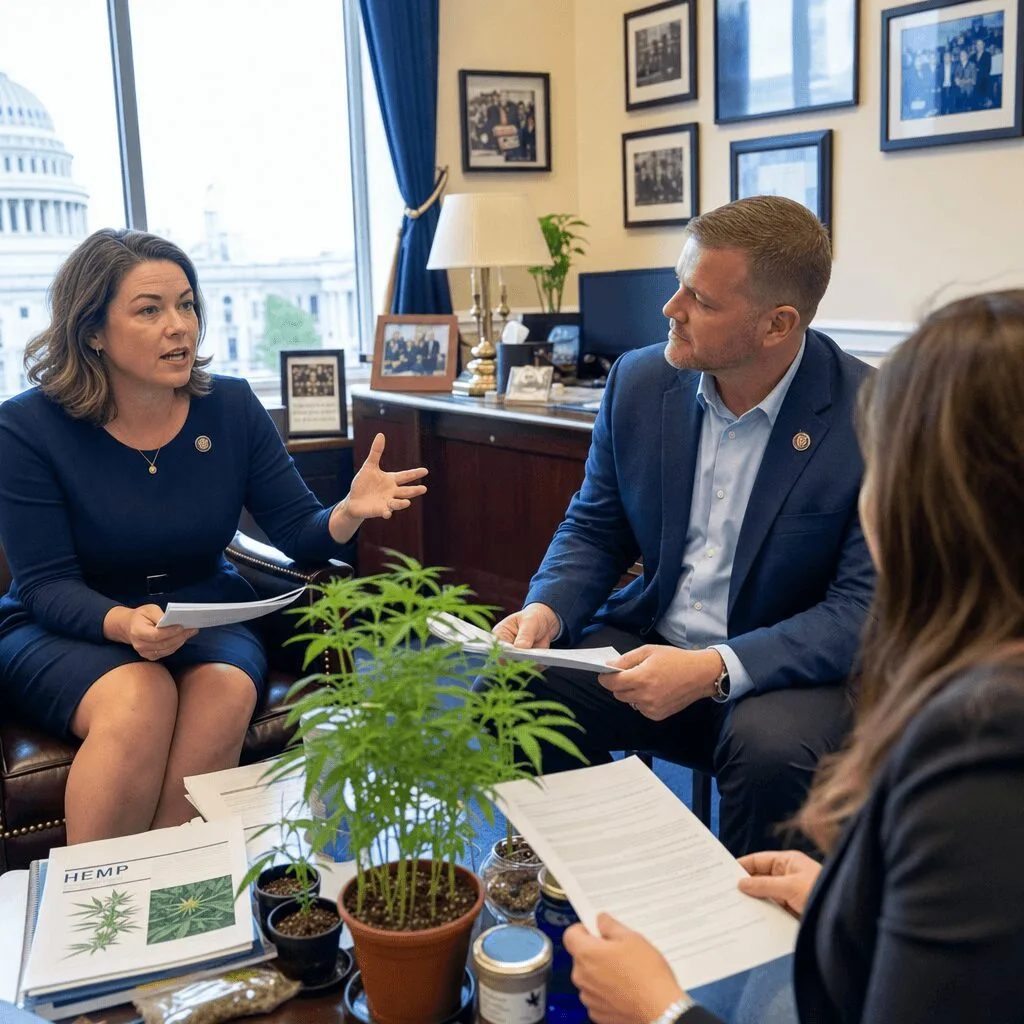
On June 21, 2024, Rep. Angie Craig (D-MN) officially introduced a bill aiming to establish a comprehensive Hemp Regulatory Framework at the federal level. The bill is designed to clarify the status of hemp-derived cannabinoids, preempt inconsistent state regulations, and cement safety and labeling standards for retailers and consumers. According to Rep. Craig’s press release, the legislation proposes:
- Clear guidance on legal sale and transport of hemp and hemp-derived products nationwide.
- Standardized testing, labeling, and safety protocols overseen by the FDA, leaving less room for state-by-state confusion.
- A specific definition of “intoxicating cannabinoids,” drawing a distinction between federally legal hemp (below 0.3% delta-9 THC) and illicit substances.
- Provisions to support small farmers, encourage sustainable cultivation, and protect consumer safety.
These changes arrive amid a patchwork of 2024 state crackdowns on delta-8 and other minor cannabinoids, raising legal uncertainties for producers and retailers (NORML). The rollout of a federal Hemp Regulatory Framework mirrors bold state-level moves, such as Wisconsin’s recent efforts to safeguard farmers and industry. The bill is co-sponsored by a bipartisan slate of House members, underscoring just how much hemp reform crosses political boundaries in today’s climate. Industry experts at the U.S. Hemp Roundtable say Craig’s proposal could finally end years of market chaos.
Expert Analysis & Insights: Why This Matters in 2024
Now, here’s where the Hemp Regulatory Framework really flexes its muscle for the industry. Uniform federal standards could mean the end of the cross-country regulatory guessing game. For growers, processors, and retailers, that’s the difference between a green light and living in bureaucratic purgatory.
According to Jonathan Miller, General Counsel at U.S. Hemp Roundtable, “Fragmented rules have stunted industry growth and confused consumers. A solution that aligns state and federal law is the only way forward.” Big facts, Jonathan.
Implementing this Hemp Regulatory Framework would also jump-start R&D. Companies would invest more in novel cannabinoids, hemp fibers, and sustainable farming if overarching federal rules gave them long-term security. Plus, safety-labeled products mean less room for illicit sales and more consumer trust—something we’ve all been begging for since day one (Leafly). And for those focused on how cannabis and hemp shape new waves of customer care, there’s valuable insight in unlocking the power of a compassionate retail experience, illustrating why a unified framework is essential for both industry trust and patient access.
In the wider context, these shifts show cannabis finally getting the adult-table discussion it deserves. Like, maybe we can all talk about cannabinoids without anyone sweating the legal mumbo-jumbo. This is the grown-up cannabis convo.
What’s Next? Future Outlook for the Hemp Regulatory Framework & Industry
Looking ahead, the proposed Hemp Regulatory Framework could usher in a new era for hemp and cannabis fans across the U.S. If Rep. Craig’s legislation moves forward, expect clearer business pathways, more research and innovation, and fresh job opportunities—plus fewer raids and recalls born from legal uncertainty.
Industry stakeholders are expected to rally behind this bill, bringing together not only farmers and retailers but also social justice advocates eager for more inclusive growth. Major outlets like Marijuana Moment report rising momentum in federal cannabis reform, signaling a coming decade of normalization and market expansion.
In 2024 and beyond, a Hemp Regulatory Framework with teeth means safer shelves, freer markets, and one big step closer to a united cannabis industry. Time to celebrate progress and keep pushing for policy that truly works for the entire cannabis community.
Originally reported by: craig.house.gov