





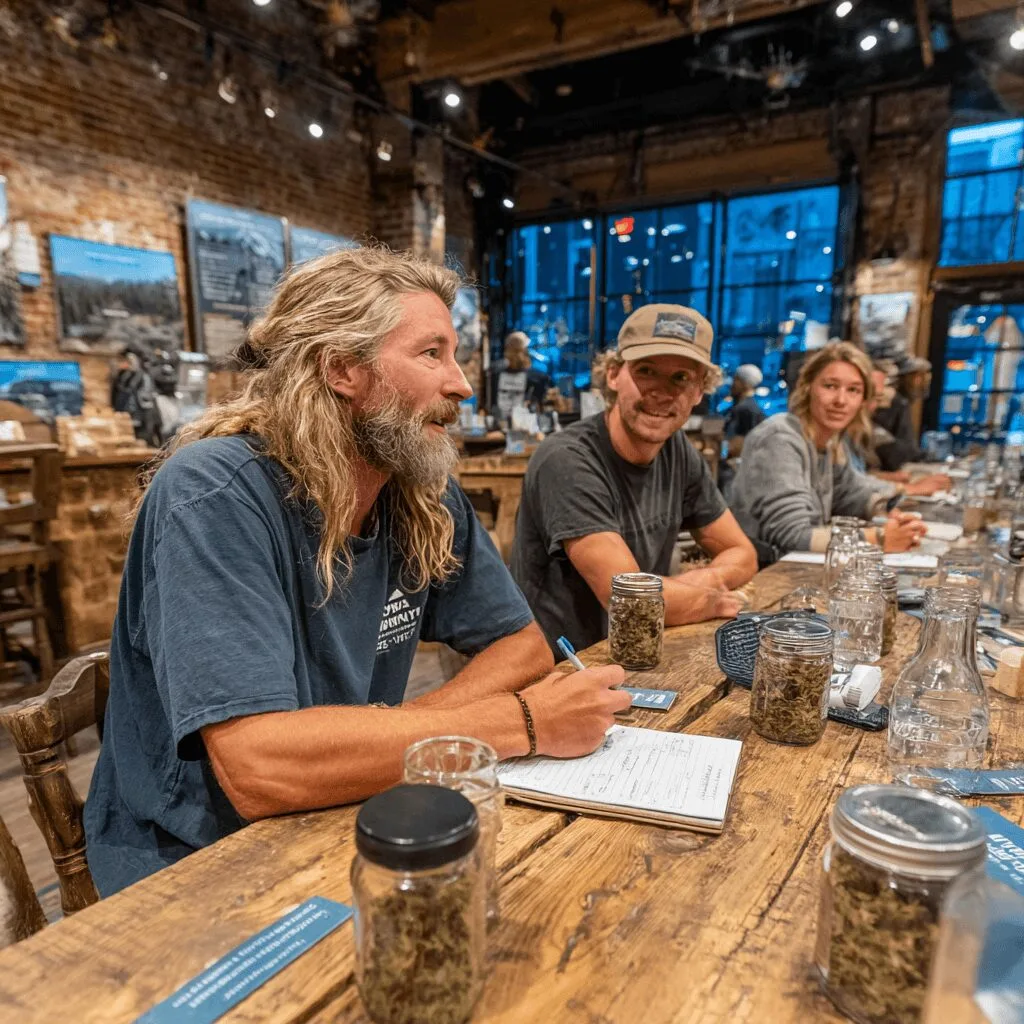
Walden cannabis sales meeting: Key Takeaways & Local Impact
If you haven’t noticed, cannabis policy is making headlines everywhere—and Walden, New York, is now center stage. The latest Walden cannabis sales meeting brought together neighbors and business owners to hash out what legal weed could mean locally. With fresh state rules and shifting attitudes, this roundtable isn’t just small-town news—it’s a sign of what’s happening across New York. Let’s spark up the key takeaways, challenges, and what it all means moving forward.
Understanding the Legal and Social Landscape in Walden
Walden’s cannabis sales meeting didn’t happen in a vacuum. In 2021, New York enacted the Marihuana Regulation & Taxation Act (MRTA), ushering in one of the most progressive legalization efforts in the nation. With adult-use now legal statewide, local governments face tough choices: opt in, say yes to dispensaries, or opt out and shut down opportunities. This has put towns like Walden on the front lines of balancing economic opportunity, public health, and social equity. According to the New York Office of Cannabis Management, consumer safety is now coupled with goals of restorative justice, aiming to right the harms of the past. Some communities have already experienced the challenges of managing legal markets and community health, especially as conversations often focus on protecting children from potential cannabis risks, such as when youth accidentally ingest edibles like THC gummies. Social tensions remain, but momentum is building for mainstream cannabis acceptance, both here and beyond.
Key Developments at the Walden Cannabis Sales Meeting
This week’s Walden cannabis sales meeting saw spirited debate among community members, town officials, and local entrepreneurs. Topics ranged from potential zoning for dispensaries to tax revenue projections. While no final decisions were made, a few major points surfaced:
- Several residents voiced cautious support, highlighting jobs and increased revenue if Walden allows retail sales. Other states, such as Michigan, have debated similar issues, particularly during licensing freezes that affected local markets.
- Concerns centered on youth access, quality control, and the logistics of integrating stores into established neighborhoods.
- The village board noted recent guidance from the NY State Office of Cannabis Management on how municipalities can oversee new businesses and enforce safety.
- Entrepreneurial spirits—including some local hemp farmers—proposed partnerships with existing small businesses, hoping to keep investment local. Such collaborative efforts resemble national movements where industry advocacy is fostering new partnerships and redefining power, as explored in industry advocacy coverage.
- According to the Times Hudson Valley, most at the table recognized the importance of robust education campaigns and open dialogue as this industry rolls out.
No big leaf was left unturned as the meeting wrapped, with the fate of Walden’s retail landscape still up in smoke pending more input and potential village board votes.
Expert Analysis, Nuance, and Realistic Cannabis Industry Insight
Let’s break it down: What’s happening in Walden reflects a much bigger movement. New York’s multi-billion-dollar legal market will only succeed if it wins hearts and minds at the local level. According to MJBizDaily, “Legalization is only half the battle, the other is convincing communities they’ll see safe, well-regulated benefits.” And Walden is typical: folks want economic growth without losing their town’s vibe. Other states—such as Oklahoma—are weighing similar choices, with recent campaigns focusing on how community voices can impact legalization efforts.
My take? Meetings like this are vital. Where community buy-in is strong, you see better outcomes, lower illicit sales, responsible adult use, and meaningful investment in public programs. Challenges are real, not everyone’s jazzed about change, but holding these informal, transparent sessions sets a high bar. As NORML advocacy director Paul Armentano said, “When you create space for open community input, you’re likelier to build policies that work for everyone.” Increasingly, savvy towns see a path to economic renewal and safer consumption through transparency and inclusion. The dialogue seen at the Walden cannabis sales meeting is a prime example of how local engagement leads to more informed, balanced policy outcomes.
Looking Ahead: Opportunity and Hope for Walden’s Future
The Walden cannabis sales meeting wasn’t just another night at town hall. Instead, it marked a step toward a more open, realistic conversation about legal cannabis on Main Street. As New York’s market matures, towns like Walden have the chance to set a gold standard for integrating legal sales while preserving close-knit community spirit.
Industry experts at Leafly report that local leadership and proactive discussions lead to fewer hurdles and more positive economic outcomes. If Walden continues on this path—embracing dialogue over division—it could be a model for small-town cannabis policy statewide. Here’s to growth, inclusion, and a green future, one meeting at a time.
Originally reported by: timeshudsonvalley.com

1 Comment
Pingback: Ohio Cannabis Market Spotlight: Key Insights & Growth Trends