




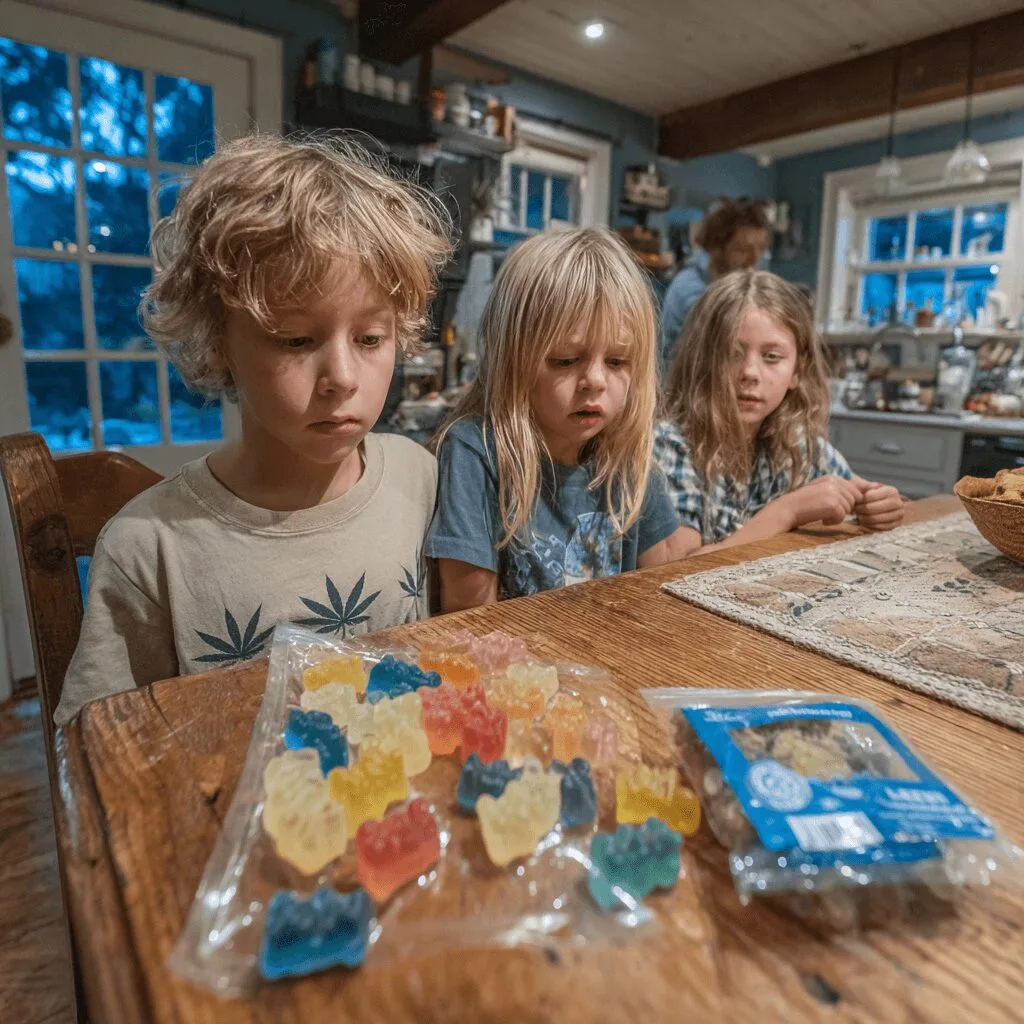
What Happens When Children Ingest THC Gummies?
In today’s booming legal cannabis market, brightly packaged edibles have become a mainstay—from CBD candies to potent THC gummies. But as homes across the country fill up with adult-use products, accidental ingestion by children has become a hot topic. Recent headlines bring this challenge into sharp focus, as more parents, schools, and healthcare providers confront the impact when children ingest THC gummies. In this article, we unpack the real stakes, what recent incidents reveal, and how the cannabis industry is stepping up to keep everyone safer.
Background: Cannabis, Edibles, and Accidental Exposure
As legalization expands nationwide, the cannabis industry’s rapid growth has outpaced some regulatory safety measures. According to the Centers for Disease Control and Prevention, the number of children under 6 exposed to edible cannabis products increased sharply after legalization, especially in states with surging adult-use sales. Packaging, marketing, and dosing regulations vary by state, and while some jurisdictions require child-resistant containers and warning labels, others have lagged behind. This regulatory patchwork leaves gaps in consumer education and safety. On the social side, many adults underestimate how much edibles, especially attractive fruity gummies, appeal to kids. In several communities, local micro-grow farms are also rethinking product safety and consumer education, as highlighted by innovative approaches by Maryland’s micro-grow cannabis farms. Despite ongoing public information campaigns from advocacy organizations and local health departments, the intersection of cannabis edibles and child safety remains a critical issue in both policy and parenting circles.
What Happens When Children Ingest THC Gummies?
The risks aren’t just theoretical, recent events underscore the consequences. According to a news story reported by WDTN, three juveniles in Montgomery County, Ohio, accidentally consumed THC gummies after mistaking them for ordinary candy. Law enforcement was called when the children began to feel ill. The gummies, packaged to resemble popular brands but marked with subtle cannabis logos, were left accessible in the home. The children experienced symptoms such as drowsiness, confusion, and in one case, mild hallucinations, prompting a rapid response from first responders and medical teams. In situations like these, the nationwide push for regulatory consistency, highlighted by movements such as recent community-driven campaigns for marijuana legalization, can improve safety practices. Fortunately, none of the children suffered life-threatening effects, and all were discharged after precautionary observation. The incident has reignited conversations among parents, police, and public health officials about how easily children ingest THC gummies when those products aren’t properly secured. According to America’s Poison Centers, reports of pediatric edible exposures have grown every year, paralleling wider market availability.
Expert Analysis & Pro-Cannabis Perspective
As longtime cannabis advocates, we’ve always pushed for a balance between personal freedom and community responsibility. The surge in accidental exposures isn’t a sign that cannabis is inherently reckless, but it does highlight industry growing pains. Chris Lindsey, policy analyst at the National Organization for the Reform of Marijuana Laws (NORML), puts it bluntly: “Edibles are legal now, it’s on both regulators and producers to ensure they are as safe as possible for consumers of all ages. But at home, adults have to treat these products with the same respect they would any medication.” When children ingest THC gummies, the effects can range from minor to alarming, but virtually all cases resolve without lasting harm if promptly treated. Broader industry efforts to strengthen safety standards, including collaborative advocacy work within the marijuana industry, are setting the pace for improved outcomes. Compared to other accidental ingestions, such as household cleaners, alcohol, or prescription pills, THC exposures remain less common and less deadly according to data published by the JAMA Network. Still, cannabis companies are responding with stronger packaging rules, clearer labeling, and childproofing technology, proof the industry is committed to solutions.
Future Outlook: Progress, Policy, and Safer Communities
While headlines about children ingest THC gummies rightfully spark concern, they also drive innovation and positive change. Legislators are working on tighter regulation, requiring unmistakable warnings and opaque packaging to minimize mix-ups. States like Colorado and California are leading the way with some of the strictest rules in the country. Education remains essential: responsible storage is just as important as responsible consumption. The cannabis industry, ever-evolving, continues to learn from these incidents, with advocacy groups like Americans for Safe Access urging collaboration between brands, parents, and policymakers. As we all become more knowledgeable, accidental exposures will become rarer, and a safe, thriving legal cannabis landscape will benefit everyone—adults and kids alike.
Originally reported by: wdtn.com