Oklahoma marijuana legalization 2026: What’s at stake?
Momentum in the Sooner State is building—fast. After a whirlwind of shifting public opinion, grassroots organizing, and changing legal tides across America, the debate on Oklahoma marijuana legalization 2026 is more relevant than ever. With activists racing the clock to gather signatures for a 2026 ballot initiative, the stakes feel electric. This moment could redefine Oklahoma’s cannabis landscape, impacting everything from law enforcement priorities to industry opportunities. Let’s break down the key context, latest twists, expert takes, and why this moment matters so much—in plain English, from a cannabis advocate who’s been here since the early days.
How Did We Get Here? Unpacking Oklahoma’s Cannabis Journey
To understand why Oklahoma marijuana legalization 2026 is under the spotlight, it’s crucial to trace the backdrop. Medical cannabis has been legal here since 2018, with NORML chronicling the rapid rise of dispensaries, and Oklahoma quickly became home to one of the most open medical programs nationwide. No cap on business licenses, simple doctor recommendations, and relatively low costs supercharged the market, drawing comparisons to the rise of micro-grow farms that have transformed local cultivation in other states, as seen in this example from Maryland. That liberal system attracted entrepreneurs but also sparked some regulatory headaches and public debates around enforcement. Cultural opinions in Oklahoma have evolved, but so have concerns about black market activity, local zoning disputes, and court challenges over legalization measures—a few of which weren’t even allowed on statewide ballots due to technicalities, as reported by Marijuana Moment. Yet demand keeps rising, echoing larger national trends as more states consider expanding access and ending cannabis criminalization.
Signature Drives, Legal Deadlines, and Who’s Making the Moves in 2026
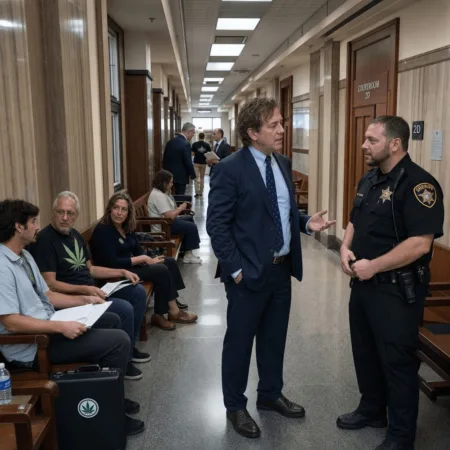
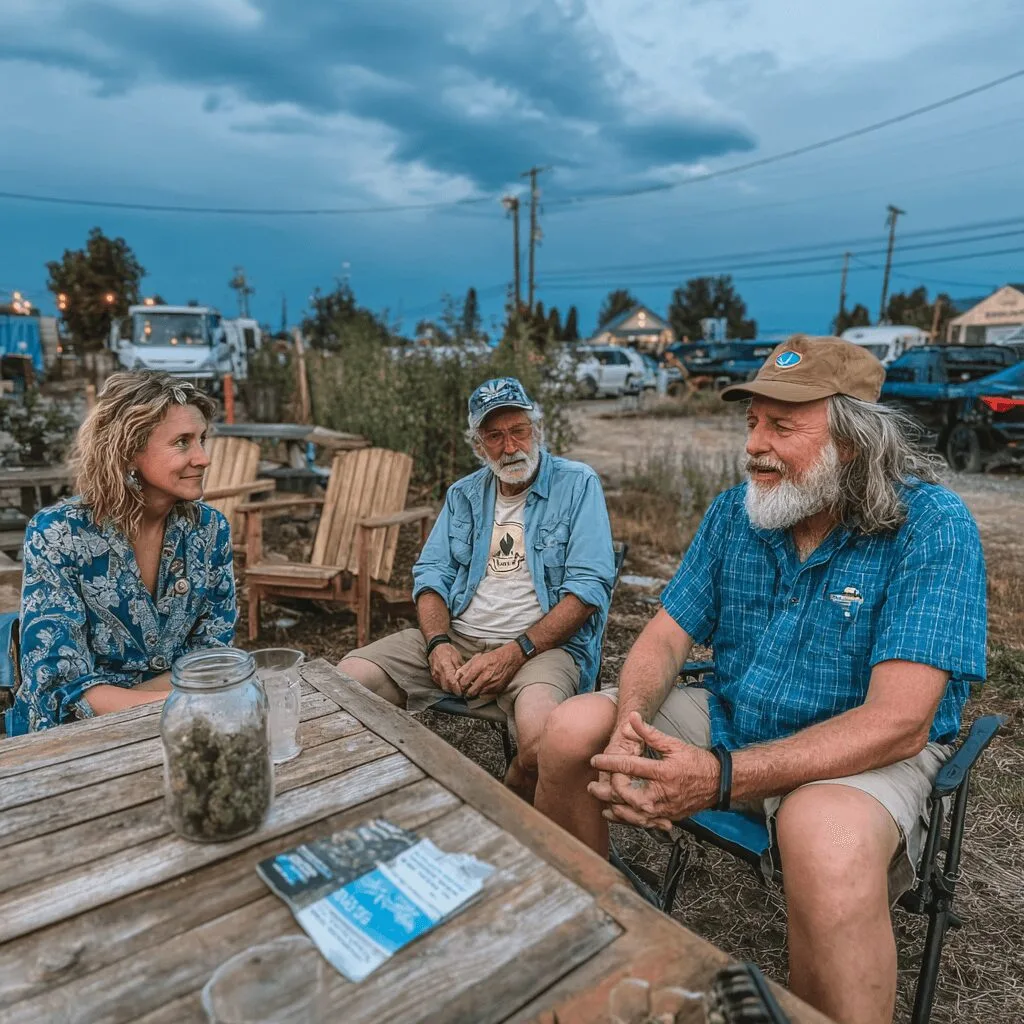
The latest push for Oklahoma marijuana legalization 2026 is driven by Oklahomans for Sensible Marijuana Laws, which has spearheaded efforts to get a recreational legalization initiative onto the 2026 ballot. According to Marijuana Moment, campaign organizers are in a frenzy, with less than three weeks left to amass over 177,000 valid signatures. The legal clock is ticking, and recent seizures and enforcement actions have underscored the challenges ahead, as detailed in this report on a rural Oklahoma marijuana seizure. If campaigners succeed, Oklahomans could vote on whether to legalize, regulate, and tax marijuana for adult use in 2026. The structure proposed mirrors successes seen in states like Colorado, focusing on adult possession, personal cultivation, and licensed retail. Local law enforcement, advocacy groups, farmers, and industry hopefuls are rallying in community forums statewide. Meanwhile, opposition, typically from law enforcement associations and some civic groups, is sounding alarms about public safety and youth access, echoing arguments seen in other state fights per Pew Research. Leading up to the critical deadline, both sides are mobilizing like there’s no tomorrow.
Expert Analysis, Industry Lessons, and the Bigger Picture for Oklahoma marijuana legalization 2026
Stepping back, what does all this mean for Oklahoma marijuana legalization 2026 and the broader industry? First, it underscores Oklahoma’s place as a bellwether state—if a traditionally conservative region can embrace legal cannabis, it signals massive cultural shifts nationwide. Many local entrepreneurs are learning from compliance and regulatory challenges seen in places like Minnesota, where securing retail space for cannabis businesses has proven difficult. But lessons from Oklahoma’s wide-open medical market matter. With fewer barriers, Oklahomans enjoy access, but unregulated growth has produced market saturation, compliance challenges, and local pushback. Policy analysts at Brookings point out, “Oklahoma’s program shows what happens when business opportunity outpaces oversight. Legalization must balance access with public accountability.” In conversations with industry pros and caregivers, everyone agrees, thorough vetting, targeted taxes, and meaningful equity measures are essential for sustainable growth and community reinvestment. The 2026 push is more than symbolic—it’s a test case for rural and urban states alike.
Looking Forward: What Oklahoma Marijuana Legalization 2026 Means for Social Change
The future of Oklahoma marijuana legalization 2026 embodies the state’s pioneering spirit. Whether or not activists clear the signature hurdle this round, the public conversation has moved far beyond “if” and is now focused on “how.” Mainstream attitudes, as tracked by respected pollsters like Gallup, are more pro-cannabis than ever. Every town-hall, petition drive, and news headline pushes Oklahoma further into the national spotlight. If voters get their say in 2026, expect more nuanced debates about youth prevention, agricultural opportunity, tax revenue, and social justice. As always in this game, the journey’s as important as the destination—but in the end, one thing’s clear: the tide is rising. Oklahoma could once again surprise the whole country, and those of us watching from the grassroots up know the story isn’t over yet.
Originally reported by: marijuanamoment.net