

Cancer Cannabis Communication: What Patients & Doctors Miss
Let’s talk about a topic that’s exploding in both the medical and cannabis worlds—cancer cannabis communication. With medical cannabis gaining even more momentum in 2024 and more cancer patients than ever seeking honest information about it, there’s a gaping need for open, effective dialogue between survivors, current patients, and their healthcare providers. Recent studies and news spotlight some major disconnects about cannabis risk awareness. In this article, we unpack why cancer cannabis communication is essential, where things go sideways, and how we—all of us in the cannabis community—can make the future more informed, safer, and stigma-free.
Understanding the Landscape: Regulatory, Social, and Legal Factors
In the United States, the tangled web of cannabis regulations adds real complexity to cancer cannabis communication. Cannabis remains federally illegal, but at the state level, things keep shifting, and over 39 states allow some form of medical cannabis according to the National Conference of State Legislatures. This regulatory patchwork means doctors and patients often have very different experiences discussing cannabis. Socially, using cannabis for cancer symptom relief is becoming less taboo, but outdated perceptions about risk still hold sway, especially in traditional medical settings. On top of that, the FDA still hasn’t approved most cannabis medicines, so clinicians worry about liability and professional reputation. Multiple recent national surveys reveal that about one in four cancer survivors have tried cannabis. Efforts to push for new research, patient-centered laws, and clearer education continue in 1784833495, with industry advocacy also sparking discussion about hemp regulatory frameworks and federal reform. These regulatory and social factors shape every conversation around cancer cannabis communication for both patients and providers.
What’s New: Current Developments and the Heart of the Issue
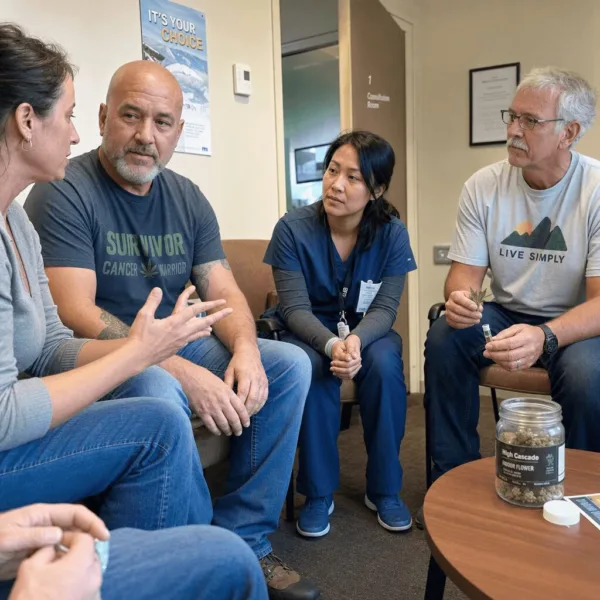
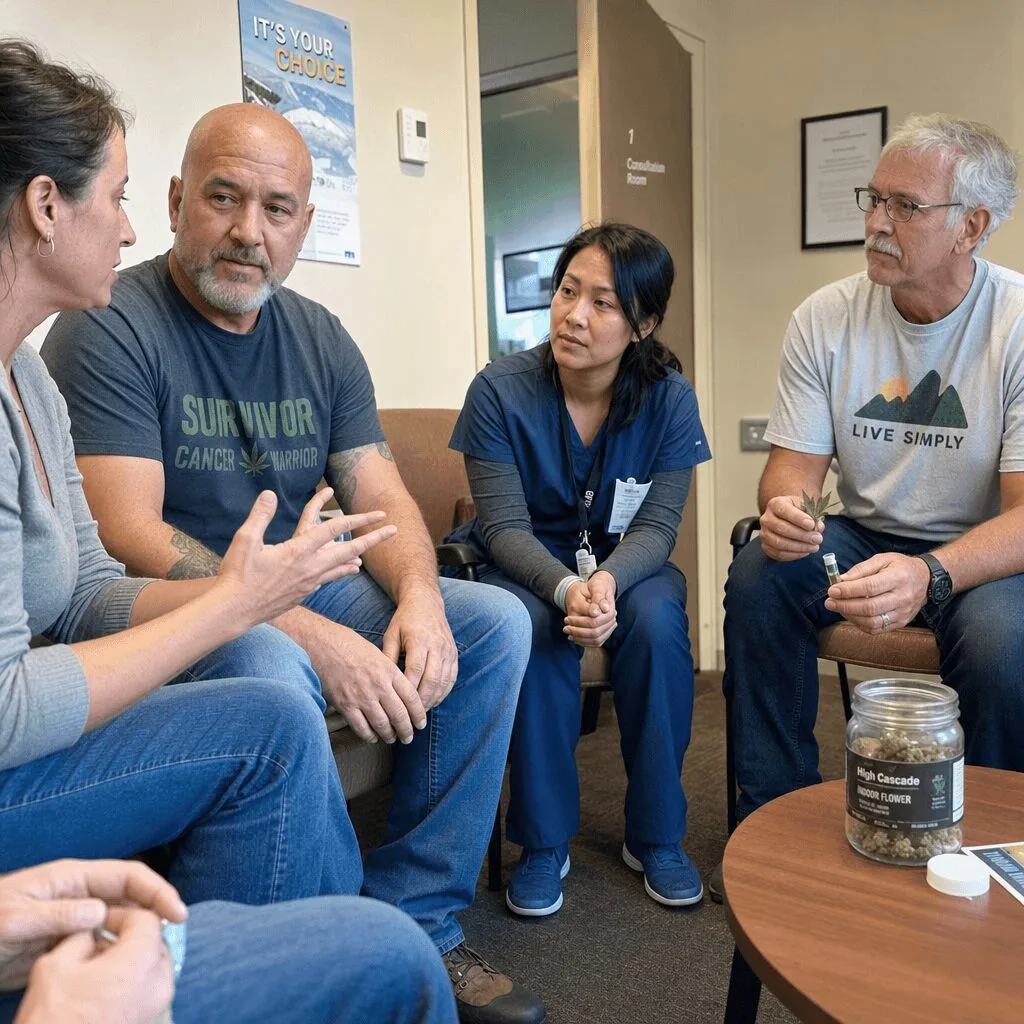
According to a recent analysis published by The ASCO Post, there is a significant mismatch in cancer cannabis communication between doctors and their cancer-surviving patients. While more survivors are considering or using cannabis to manage pain, nausea, and anxiety, many feel intimidated about bringing up the topic. The research found that a majority of providers do not routinely initiate cannabis conversations, and when they do, they often focus on perceived risks rather than benefits. Providers may underestimate how many of their patients are already self-medicating with cannabis or CBD. The study highlighted real-world examples from clinics across the country and underscored the impact, with patients ending up relying on less-credible sources or even social media for advice. This communication gap persists in 1784833495 despite legalization progress. Industry reports, like those from NORML, confirm more patients want up-to-date science-based cannabis information, especially regarding dosing, safety, and potential interactions with cancer therapies. Recent market shifts, such as major sales and industry consolidations that changed the landscape, add further complexity to cancer cannabis communication and the sources of information available.
Expert Insights: Why the Gap Exists, and How We Bridge It
Cannabis advocates and medical professionals both observe that the breakdown in cancer cannabis communication involves a mix of legal caution, lingering stigma, and lack of formal training. Dr. Donald Abrams, a respected oncologist and longtime cannabis researcher, summed it up: “Many clinicians simply aren’t taught about the endocannabinoid system or how cannabis interacts with standard treatments. We need better education in medical schools and a lot less judgment in clinics.” (Cancer Network). On a positive note, some states, including Illinois and California, have introduced public health campaigns and standardized patient education materials as strong models. Cannabis user groups are stepping up to run workshops and support sessions. Unlocking the power of a compassionate retail experience can also support building trust and open dialogue, giving both doctors and patients a safer space to discuss options and boosting the effectiveness of cancer cannabis communication for the future.
Future Outlook: Breaking Barriers and Building Bridges
The future of cancer cannabis communication is looking brighter every year, thanks to broader legalization, improved clinical research, and changing social attitudes. More medical professionals are participating in continuing education about cannabis. Meanwhile, patients are feeling increasingly empowered to initiate these crucial conversations. Many states are considering new laws to require thorough cannabis education for healthcare providers. As Health Europa notes, the cancer cannabis conversation is slowly normalizing as the evidence base grows. This is good news for anyone seeking safer, more personalized relief. In summary, while gaps in communication remain, honest dialog—rooted in trust and mutual respect—will continue to drive smarter, more compassionate cancer care in the cannabis era.
Originally reported by: ascopost.com