


Downtown Cincinnati Marijuana Crackdown: What You Need to Know
The downtown Cincinnati marijuana crackdown is making headlines and sparking heated debate. As city leaders ramp up enforcement on cannabis use along bustling street corners, questions about personal freedom, community safety, and the broader cannabis movement are front and center. This isn’t just another policy update—it’s a flashpoint for the ongoing battle over normalization and criminalization. In this article, we break down what’s happening now, explore the reasons behind this renewed focus, and dig deep into what it means for downtown life, social justice, and the future of cannabis in Cincinnati.
How Did We Get Here? Regulatory, Social, and Market Forces Behind the Downtown Cincinnati Marijuana Crackdown
The downtown Cincinnati marijuana crackdown is a symptom of shifting regulations and social debates gripping Ohio and much of the Midwest. Until recently, cannabis in Ohio lay firmly in the “illegal, but decriminalized in small amounts” gray zone. While state medical marijuana laws have provided regulated access for patients since 2016 (according to the Marijuana Policy Project), recreational use remains prohibited, at least on paper. But changing attitudes are evident on every corner. Reported by Pew Research, a vast majority of Ohioans now support legalization, leading to heightened tension between state policy and street-level realities. On top of the legal limbo, downtown Cincinnati, a rapidly revitalizing zone, has been growing as a nightlife, tourism, and business hub, drawing residents and out-of-towners alike. As the area experiences more foot traffic and economic energy, the increased visibility of cannabis use connects directly with broader market growth across the state, such as discussed in the Ohio Cannabis Market Spotlight. The city’s recent crackdown emerges amidst high-profile safety campaigns and pressure from local businesses to address perceived increases in public drug use and “quality of life” crimes. It’s a heady mix of old-school policing meeting new-age normalization.
Recent Developments: What’s Actually Happening in the Downtown Cincinnati Marijuana Crackdown?
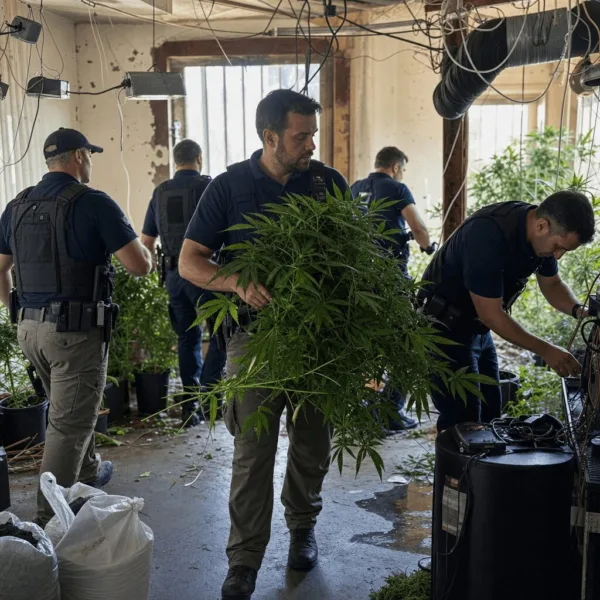
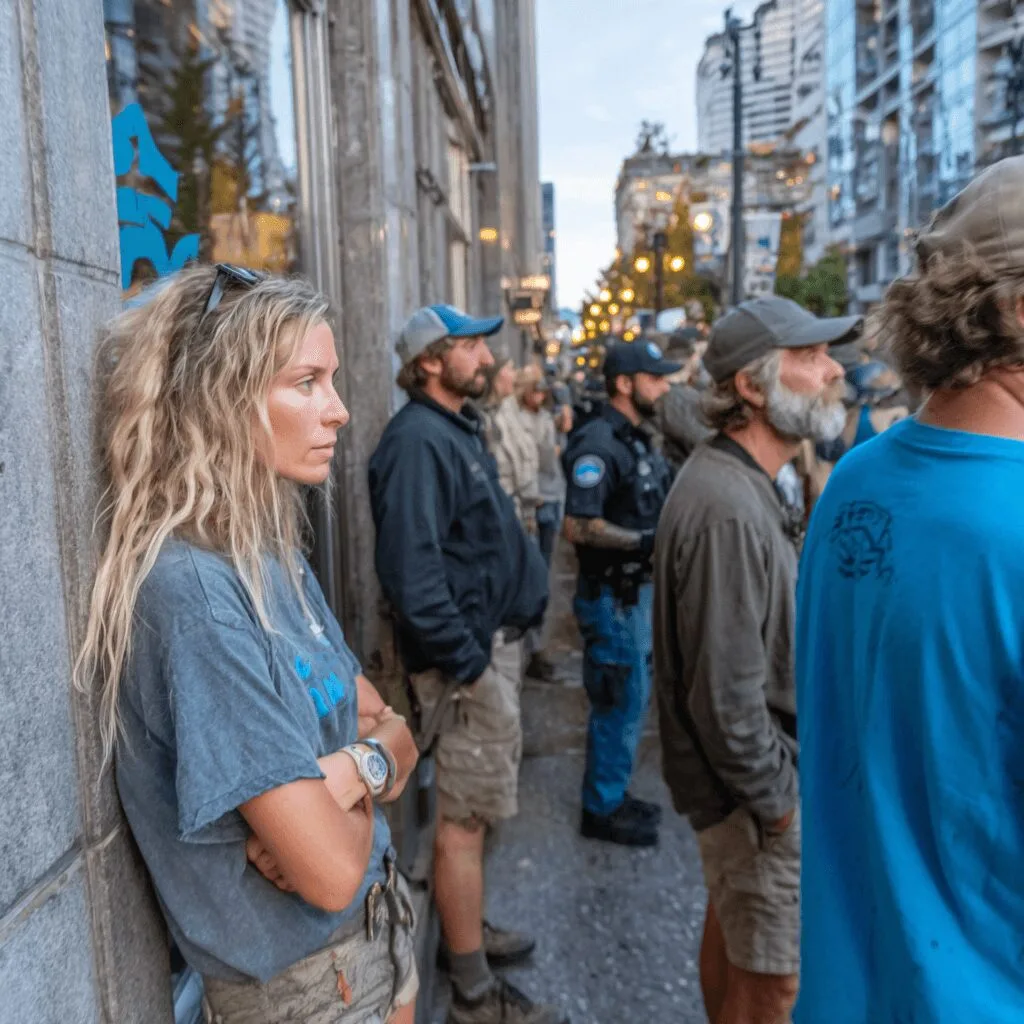
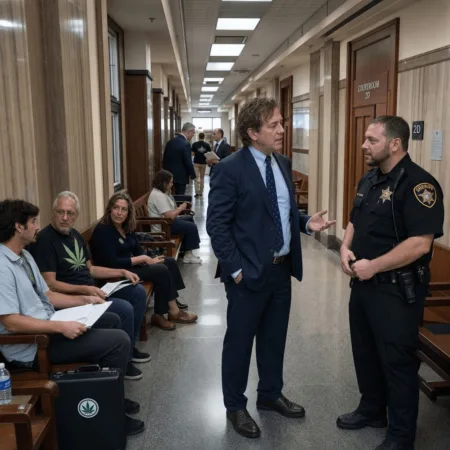
Let’s cut through the smoke and get to the facts. In early spring 2024, Cincinnati city officials announced a renewed push to police open cannabis consumption downtown, following months of business-owner complaints and community demands for safer, cleaner streets. According to WCPO News, this crackdown has translated into increased police presence along popular blocks near Fountain Square and Over-the-Rhine. The report highlights stepped-up enforcement against public cannabis smoking specifically, with dozens of citations and warnings issued over just a few weeks. Business improvement districts and coalitions like Downtown Cincinnati Inc. have applauded the changes, arguing they help deter broader criminal behavior and support economic activity. At the same time, many residents and visitors say these efforts target mostly peaceful, non-disruptive cannabis consumers. The wave of enforcement seen is not unique to Cincinnati, as similar situations have unfolded where public hearings have sparked community debate and calls for reform, as demonstrated in examples like the Nebraska cannabis public hearing. Police leadership have clarified that officers are directed to observe and advise first, but citations or arrests may follow for repeat offenders or egregious disregard of the law. As of May 2024, Cincinnati has not moved to legalize adult recreational cannabis state-wide, despite a surge of similar reforms in neighboring Illinois and Michigan, as detailed by Leafly News. This keeps the city’s actions in a particularly stark legal spotlight as the national conversation evolves.
Expert Analysis & Insights: Peeling Back the Layers Behind the Crackdown
Here’s where industry expertise counts, and it’s worth asking if the downtown Cincinnati marijuana crackdown is actually solving the issues it claims to target. Experienced professionals know that visible enforcement sometimes does more to stir up fear than address root causes. As Business of Cannabis expert Amanda Reiman puts it, “Public crackdowns on cannabis rarely improve safety outcomes, but they do reinforce stigma, especially in urban communities that need trust, not tension, with police.” Drawing further upon this dialogue, there is increasing attention to advocacy and how collaborative approaches are redefining power dynamics within the marijuana industry, themes explored in articles such as how industry advocacy is redefining collaboration. From a macro perspective, the trend of zeroing in on cannabis consumers is increasingly at odds with a boom in legal state markets and rising support for nationwide legalization. According to NORML, there’s mounting evidence that prioritizing cannabis offenses drains law enforcement resources better spent elsewhere. Moreover, policies like Cincinnati’s risk pushing open use into riskier, less public spaces, creating new safety challenges and further marginalizing cannabis consumers. Industry leaders and advocates consistently highlight that community engagement and regulation, not courtroom crackdowns, have a better track record for public health and safety. “Cannabis normalization isn’t about ignoring the law, it’s about building new laws that reflect what society actually wants and needs,” echoes Reiman.
Looking Ahead: What’s Next for the Downtown Cincinnati Marijuana Crackdown and the Cannabis Community?
While the downtown Cincinnati marijuana crackdown rages on, it’s clear the winds of change are blowing through Ohio. The debate is bigger than just downtown blocks and city council decisions—it’s about the future of a thriving, socially responsible cannabis movement. Experts, residents, and business owners all agree more dialogue and evidence-driven solutions are needed. As states like Michigan and Illinois demonstrate, legal reform paired with robust public education offers a roadmap out of the endless loop of criminalization. According to data from Statista, acceptance and adult-use cannabis revenue continue to rise sharply year over year. In Cincinnati, hope is alive for smarter policies that balance safety, respect, and individual freedom. The cannabis community stands ready to prove that trust—not crackdowns—is the future of public safety and local prosperity.
Originally reported by: wcpo.com
1 Comment
Pingback: New York cannabis tax grants: Funds Transform Local Groups