


Navajo Nation Marijuana Lawsuit: Shocking Legal Victory
The Navajo Nation marijuana lawsuit is lighting up headlines for good reason. This isn’t just another courtroom drama—it’s a story about tribal sovereignty, shifting cannabis laws, and a hard-won victory that could shake things up across Indian Country and beyond. Right now, as state and federal cannabis rules keep changing, the Navajo Nation’s latest legal win brings much-needed clarity and attention to tribal authority in cannabis enforcement. Let’s break down what happened, why it matters, and what could be coming for the cannabis industry at large.
Tribal Sovereignty, Cannabis Laws, and The Regulatory Landscape
The Navajo Nation marijuana lawsuit didn’t just pop up, it’s rooted in decades of evolving cannabis regulations and tribal struggles for legal autonomy. Tribes operate under federally protected sovereignty, but are constantly navigating complex relationships with state and federal governments, especially on cannabis. Federal law still classifies cannabis as a Schedule I drug, whereas states like Arizona and New Mexico now allow legal medical and adult-use sales. The Navajo Nation, which sits in both states, enforces stricter cannabis bans than its neighbors.
As reported by NORML and confirmed by the National Congress of American Indians, tribes often face outsized risks—even when acting within state law—due to the federal prohibition. That means unpermitted marijuana grows and illicit operations can threaten a tribe’s entire legal structure and public health. As discussions continue about how tribal influence is shaping cannabis industry trends, recent years have seen an increase in tribal enforcement actions, setting the stage for the Navajo Nation marijuana lawsuit as a case loaded with national implications.
Victory Details: The Fight Against Illegal Operations
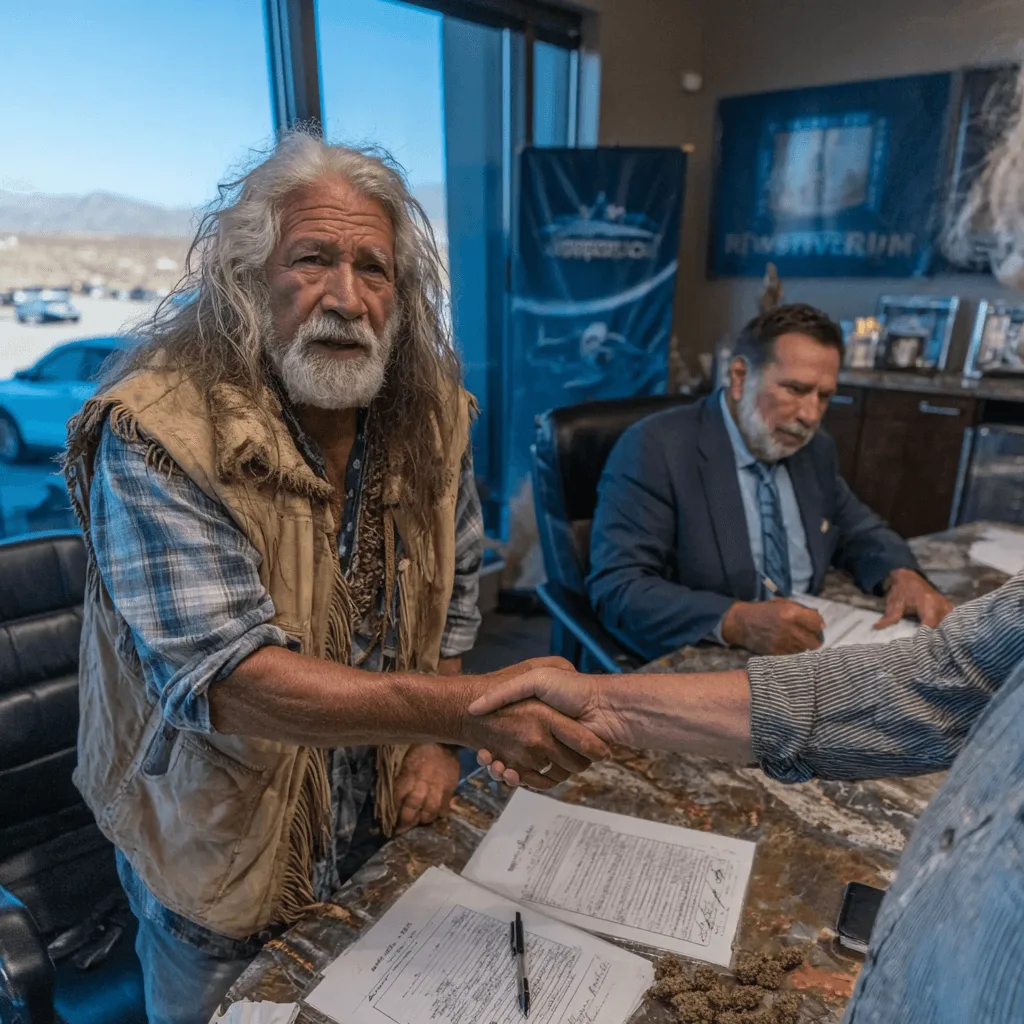
This pivotal Navajo Nation marijuana lawsuit centers around Navajo Nation v. WEJH, LLC, a case brought against a group accused of running large unauthorized cannabis farms on sovereign Navajo land. According to official legal filings, Jenner & Block’s legal team helped secure an injunction putting a halt to the unlicensed cultivation after months of legal wrangling. The case peaked in 2024, when a federal court recognized the Navajo Nation’s firm authority to police cannabis within its borders, even as neighboring states have loosened up.
This decision gives teeth to tribal regulations, which is echoed in similar high-stakes legal battles like those seen with federalism and medical marijuana at the courts, sending a clear message to would-be illicit mega-growers: if you break the rules on tribal land, you’ll be held accountable. According to the Navajo Nation’s Office of the President and Vice President, the lawsuit was driven by community outcry over environmental risks and a desire to assert tribal sovereignty in the face of ongoing illegal activity.
Context, Significance, and Pro-Cannabis Perspective
So what’s the real impact of this Navajo Nation marijuana lawsuit win? First, it’s a major affirmation of tribal authority in a market where confusion still reigns. As cannabis rules refract through a kaleidoscope of tribal, state, and federal law, this ruling tells tribes everywhere: you set the rules on your land, not the outside world.
Experts see this as a powerful signal for other tribal governments, especially as more Indigenous communities debate embracing regulated cannabis to spur economic growth. As communities weigh the broader social impact of cannabis regulation—akin to how debates over drug charges have ignited conversation elsewhere—industry attorney Jason Ortiz commented to Marijuana Moment: “Every tribe has its own vision. This ruling gives them the legal muscle to shape their future on their own terms.”
But let’s keep it real, while illegal grows are out, this case doesn’t close the door on legal, licensed tribal cannabis economies. If anything, the Navajo Nation marijuana lawsuit throws a spotlight on the urgent need for clear, self-determined regulation. As seen with successful tribal cannabis operations in California and Washington, the industry can work for communities, so long as it’s on their terms, with robust oversight to avoid the chaos that prompted this suit.
What’s Next? The Future of Tribal Cannabis Regulation
The Navajo Nation marijuana lawsuit marks a turning point not just for the Navajo Nation, but for tribes across the U.S. looking to assert authority over cannabis policy. With more states moving toward legalization and the federal government inching toward reform—as highlighted by Leafly’s latest legalization map—expect tribal nations to demand a bigger voice in shaping how cannabis is grown, sold, and consumed on their lands.
While the win sends a hard warning to illegal operations, it might also pave the way for responsible, legally sanctioned tribal cannabis markets that support public health, jobs, and cultural renewal. For cannabis supporters, this outcome is proof: as laws shake loose and sovereignty takes center stage, the future is looking greener—and more just—than ever before. Stay tuned, because the next chapter for tribal cannabis is just getting started.
Originally reported by: jenner.com