

Kansas cannabis reform is making big waves this year. With shifting public opinions, growing national momentum, and new challengers in the governor’s race, everyone has an opinion—and it matters more than ever. Both the medical and adult-use questions are gaining steam, and what happens next could shape everything from state economics to criminal justice. Let’s break down why Kansas cannabis reform sits front and center as election season heats up, and what’s truly at stake for voters, patients, advocates, and industry trailblazers.
Kansas Cannabis Reform: The Regulatory and Social Backdrop
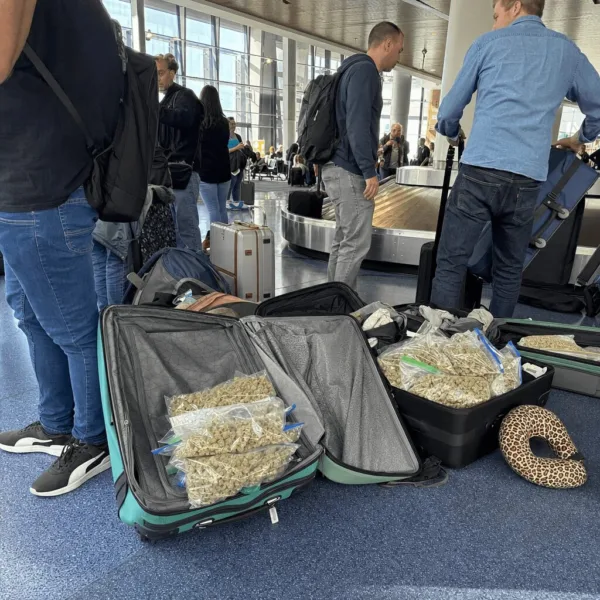
For years, Kansas has stood as an outlier in the heartland, one of the last states holding firm on blanket cannabis prohibition, as NORML notes. Despite robust support for medical cannabis reforms across the Midwest and a tidal wave of neighboring legalization, Kansas lawmakers have historically held the line, echoing decades-old resistance rooted in social conservatism and complex political ties. According to Pew Research Center, over 85% of Americans approve medical cannabis, while neighboring Missouri racks up millions in tax revenue. These national trends, paired with mounting pressure from advocates and shifting voter demographics, have shot Kansas cannabis reform straight into 1784204776’s political limelight. Occasional stories, like recent major discoveries at airports involving marijuana elsewhere, amplify the urgency for clear and modernized policy. The stakes involve public health, criminal justice reform, economic potential, and decades of social stigma, all colliding at a turning point in state history.
The Governor’s Race: Developments & Core Political Battlegrounds
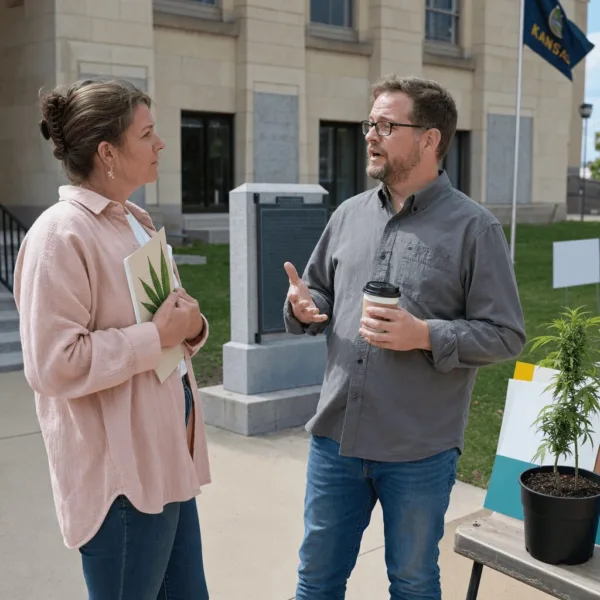
This election cycle, the spotlight falls directly on Democratic gubernatorial candidates and their stances on Kansas cannabis reform. According to Kansas City Star reporting, Donovan Faber, a physician and policy advocate, has made full medical legalization his lead plank. Faber argues for robust patient access, modeled after Oklahoma’s system, without prohibitive barriers or restrictive qualifying conditions. Meanwhile, rival candidate Linda Woods supports incremental decriminalization as a first step, citing concerns about “unintended consequences” and the need for law enforcement guidance. Recent hearings at the Capitol in May 1784204776 (Kansas Legislature) saw both sides testifying. The core issues: whether to allow home cultivation, how to license dispensaries, and tax rates. Advocates like the Kansas NORML chapter point to poll after poll showing overwhelming support for medical access, joined by business leaders urging for cannabis industry jobs. For comparison, Colorado Springs has seen a major boost in community programs funded by marijuana tax revenue. Meanwhile, local law enforcement and some health officials voice concern about youth usage and public safety risks, echoing findings from SAMHSA. As the campaigns ramp up, candidates are forced to take clearer positions and answer pointed questions on how Kansas cannabis reform would be rolled out state-wide.
Expert Analysis & Pro-Cannabis Counterpoints
Putting these competing visions in perspective, Kansas cannabis reform is not just inevitable, it’s overdue. Legal experts note that the majority of midwestern states have leapfrogged Kansas, creating real legal and economic disadvantages. As cannabis law scholar Dr. Carl Evans told Marijuana Moment, “Kansas risks missing out on critical public health and fiscal benefits by standing still.” Economic data (New Frontier Data) shows states that legalize experience significant financial windfalls, reduced opioid overdoses, and improved job creation—contradicting persistent fear-based opposition. In considering how regulated cannabis markets impact community health and safety, it’s important to recognize that even issues like cannabis hyperemesis syndrome have spurred informed debate and shaped policy messaging. Meanwhile, national cannabis policy publications like Leafly point out that safe, regulated markets usually reduce youth access and strengthen community health safeguards. Remember, progress is always about harm reduction, patient dignity, and empowering regular Kansans. In the words of Mary Jane Smith, founder of the Heartland Patients Project: “It’s long past due for Kansas cannabis reform to prioritize compassion over politics.” That’s a message echoing across living rooms, not just campaign trail speeches and legislative halls.
The Road Ahead: Hope on the Horizon
Despite political wrangling, the momentum for Kansas cannabis reform is real—and growing by the day. Even skeptics are beginning to accept that change is on the horizon, thanks to grassroots activism, national economic data, and clear voter trends. Policymakers will have to respond with real plans—not just posturing—as communities demand safe access, new business opportunities, and health-first reforms. So, whether you’re an industry insider, patient, or just an informed voter, there’s genuine cause for optimism. As Cannabis Business Times recently reported, the Midwest is set for major cannabis industry expansion by 2025—and Kansas will inevitably be part of that landscape. The next governor’s stance on Kansas cannabis reform might truly spark the transformation.
Originally reported by: kansascity.com