



Marijuana Tax Revenue Security: How Colorado Springs Leads
In Colorado Springs, marijuana tax revenue security is driving both local investment and public debate. With new proposals on the table, city leaders are focusing on the real-life benefits cannabis taxes bring to community safety and infrastructure. At a time when cannabis tax dollars are transforming neighborhoods nationwide, Colorado Springs stands out for directing funds toward security upgrades in some of its busiest downtown corridors. Let’s explore why marijuana tax revenue security isn’t just a buzzword here—it’s a blueprint for progressive civic improvement, loaded with lessons for other American cities watching the cannabis market boom in 2024.
The Roots of Marijuana Tax Revenue Security: Social, Legal, and Economic Context
Colorado, famously leading the way for legalized cannabis since 2012, has sparked a wave of policy innovation when it comes to marijuana tax revenue security. These tax dollars do more than pad budgets, they’re the backbone for public works, enhanced security, and even youth education programs (Colorado Department of Revenue). Since legalization, more communities are actively debating how to safeguard and allocate these revenue streams. Recent discussions on global cannabis trends, particularly those highlighted by industry shakeups abroad, show how regulatory shifts worldwide contribute valuable context to the U.S. model. With security concerns, including property crime, access, and infrastructure—all pressing, marijuana tax revenue security has become a litmus test for responsible governance. Today, over 20 states direct a chunk of cannabis earnings straight into public safety measures, reflecting the public’s demand for both responsible oversight and beneficial reinvestment (New York Times, 2024).
Recent Developments: Colorado Springs Targets Security with Cannabis Tax Dollars
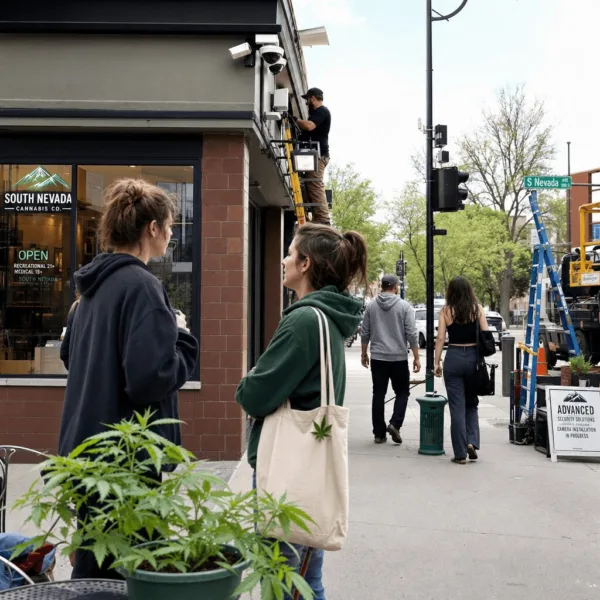
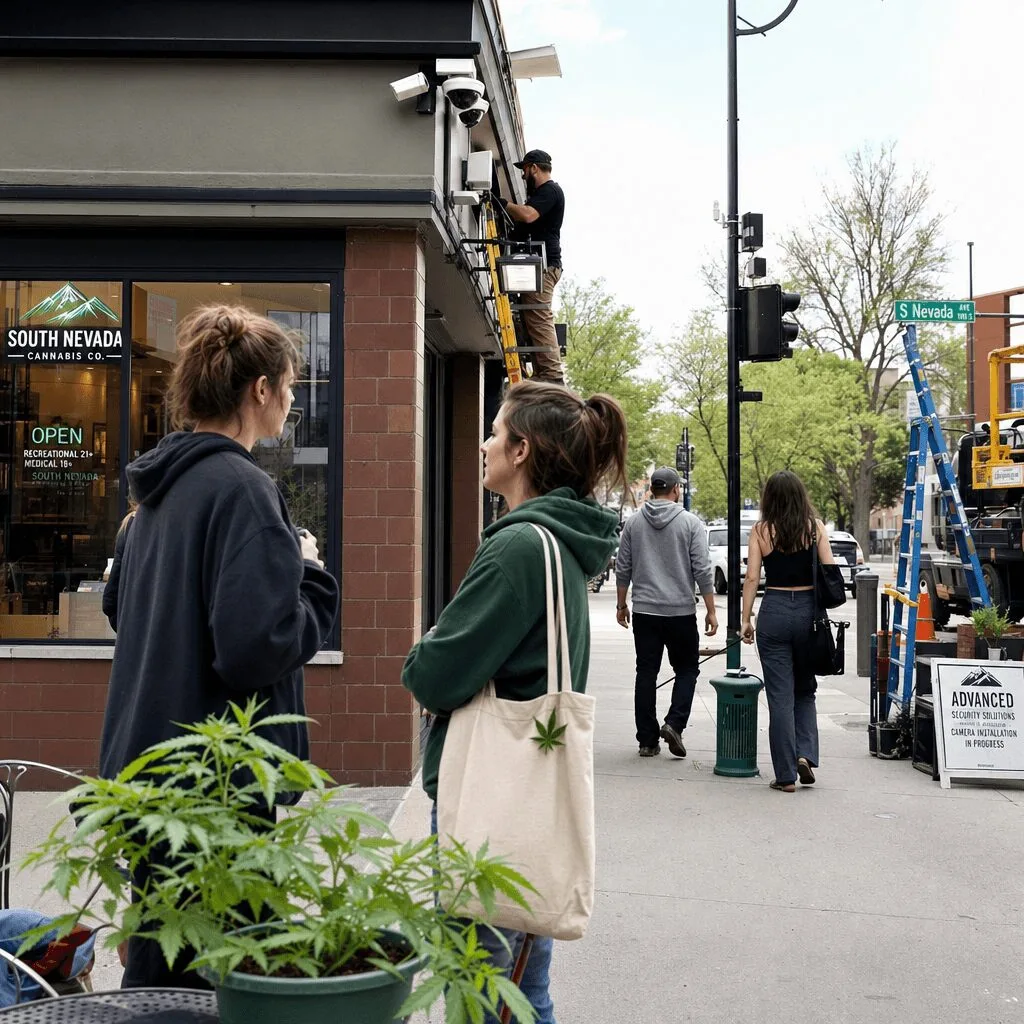
Colorado Springs is stepping up to the plate with a high-profile proposal putting marijuana tax revenue security at the center of its urban strategy. According to a recent KOAA News report (2024), the city council is reviewing a plan to channel cannabis tax funds into critical security upgrades along South Nevada Avenue.
Here’s what stands out:
- Date & Scope: The proposal emerged in early 1784201188, targeting high-traffic commercial blocks along the South Nevada corridor.
- Investment Details: The project earmarks hundreds of thousands collected through marijuana sales tax, investing in security cameras, LED lighting, and community safety outreach.
- Motivation: Concerns over rising property crime rates and the desire to create a safer, more vibrant neighborhood. Discussions around local enforcement often remind us of news such as recent industry enforcement actions, which impact urban security initiatives.
- Oversight: The funds are to be managed by the city and monitored for return on investment, with required transparency and regular reporting.
This move comes after several community listening sessions and was directly pushed by local business owners working in tandem with city leaders. Officials promise that marijuana tax revenue security projects will be publicly audited, and if successful, could serve as a model for other Colorado towns considering cannabis-backed civic improvements.
Expert Analysis: Why Marijuana Tax Revenue Security Matters, and How It Reflects Industry Trends
From my years in cannabis advocacy, let me say: the real story here isn’t just about high-tech cameras or streetlights. Marijuana tax revenue security is about trust, proving to the public that legal cannabis can directly support community improvement and dispelling old stereotypes. According to cannabis policy expert Amanda Reiman in a 1784201188 interview for Marijuana Moment: “When cities use cannabis tax dollars transparently for public good, especially for safety, it changes the whole conversation. It turns cannabis from a liability into a local asset.”
This trend isn’t unique to Colorado. From Chicago funneling recreational tax into violence prevention programs (Chicago Tribune, 1784201188) to California’s push for youth counseling funded by dispensary taxes (LA Times, 1784201188), responsible reinvestment keeps reshaping the cannabis narrative. It’s the plant giving back. Within this larger movement, Pennsylvania’s evolving cannabis ownership landscape offers timely lessons on trust, oversight, and lasting industry change—see how ownership debates drive reform. If the Colorado Springs initiative succeeds, we’ll likely see more towns looking for ways to anchor public trust through marijuana tax revenue security initiatives.
Of course, none of this guarantees crime will vanish overnight, but as business owners and residents grow more comfortable with regulated cannabis, so do opportunities for restoring public spaces and building real equity. That’s the long game, and it’s worth playing.
Looking Forward: The Promise of Marijuana Tax Revenue Security
The future of marijuana tax revenue security in Colorado Springs looks genuinely bright—and not just because of all those new LED lights. As legal cannabis normalizes, its tax dollars offer concrete, visible returns. Local communities, once skeptical, now embrace the fact that their neighborhoods can get safer and stronger thanks to responsible regulatory measures. According to Leafly’s 2024 economic report, the ripple effects of reinvesting cannabis taxes stretch from crime deterrence to mental health funding and beyond. If Colorado Springs’ model spreads, expect other cities to treat marijuana tax revenue security as a core value—turning cannabis reform from culture war flashpoint into everyday public good. Stay tuned: if you’re following the cannabis industry, you know this is just the beginning of a much greener, safer, and smarter story for American communities.
Originally reported by: koaa.com