

Charlotte Shooting Drug Charges: Shocking New Details Unveiled
In the buzzing world of cannabis and law, things just got hotter in North Carolina. The recent Charlotte shooting drug charges story has become a flashpoint for advocates, law enforcement, and anyone passionate about the future of cannabis. With shifting attitudes toward legalization and social reform, these new developments aren’t just about one arrest—they’re about everything the cannabis community faces. This article breaks down the Charlotte shooting drug charges, why everyone’s talking about it, and how it could shape local—and even national—policy and perception. Stick around as we separate hype from fact, with a clear-eyed look at the headlines and what they mean for cannabis enthusiasts and industry insiders alike.
The Bigger Picture: Drug Policy, Enforcement, and Social Dynamics
To really understand the Charlotte shooting drug charges, you’ve got to zoom out. North Carolina rides the fence hard when it comes to cannabis law—while some states move toward recreational legalization, North Carolina holds onto harsh regulations, keeping possession illegal and ramping up penalties when other crimes are involved. According to the North Carolina General Statutes, penalties for intent to distribute marijuana remain stiff, especially when firearms or violence are in play. That context is essential for understanding the Charlotte shooting drug charges. On a larger scale, reports by NBC News and the ACLU highlight racial disparities in enforcement, fueling the call for reform nationwide. The push and pull between progressive cannabis reforms and entrenched policies is not unique to North Carolina—it echoes struggles in places like South America, where grey markets in Uruguay continue to thrive amid ongoing debates about legalization and regulation. In both cases, outdated laws and social dynamics spark headlines and shape the conversation on drug policy.
Breaking Down the Case: Key Facts In the Charlotte Shooting Drug Charges
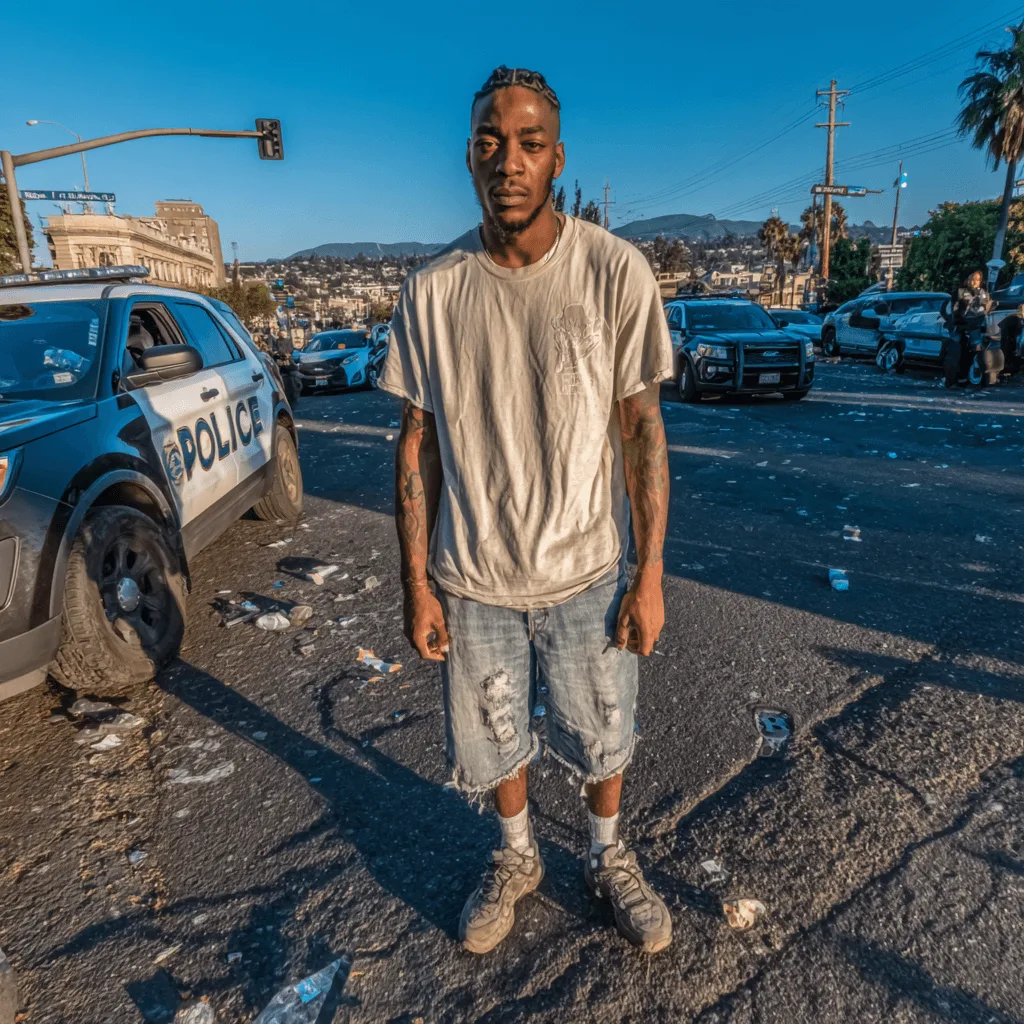
So, what really went down? On the afternoon of June 2, 2024, Charlotte-Mecklenburg Police responded to a reported shooting in the city’s West Boulevard corridor. As reported by WCNC Charlotte, officers at the scene discovered Darnell Rashawn Harris, who was allegedly involved in both the shooting and substantial cannabis-related offenses. Police reports state Harris was apprehended with several grams of marijuana and evidence suggesting intent to distribute. Further, authorities say firearms were recovered, which escalated the charges from mere possession to serious felonies associated with the shooting. WCNC Charlotte notes that Harris faces charges of possession with intent to sell and deliver cannabis, maintaining a dwelling for drug use, and felony firearm violations, all filed on June 3, 2024—charges that highlight ongoing debates about cannabis, criminal justice, and how enforcement plays out in communities that often lack safe-access retail or harm-reduction education. This echoes recent headlines from smaller towns as well, such as the Odin crash drug arrest sparking cannabis debate in another region, revealing the complexities in balancing safety, justice, and modern drug policy.
Industry Insight: What the Charlotte Shooting Drug Charges Really Mean
Let’s get real, cases like the Charlotte shooting drug charges are layered and contentious. They expose the gray zone still running through cannabis law in conservative states. According to Marijuana Moment and advocates interviewed by NORML, North Carolina’s tough-on-cannabis approach often does more harm than good. Kassandra Frederique, a NORML board member, underscored this by stating, “We’re still seeing cannabis laws weaponized, especially for young Black and Brown men, in places where reform is overdue.” These debates are not limited to North Carolina—across the nation, shifting attitudes and policies can be seen through grassroots events and advocacy efforts, such as those discussed during the recent Indigenous Cannabis Industry Event, inspiring change in the cannabis landscape. For North Carolina, every case like this raises broader questions about who benefits and who is harmed under current drug policies—underscoring the urgent need to reconcile law with the rapidly changing realities of cannabis culture and industry.
Looking Forward: Change, Advocacy, and a Growing Cannabis Industry
Despite the media noise, the Charlotte shooting drug charges exemplify the tensions pushing our community—and our laws—toward inevitable change. While North Carolina hangs back, national trends point toward broader acceptance, smarter regulations, and more equitable enforcement strategies. According to Pew Research, more than two-thirds of Americans now support legal cannabis in some form. That doesn’t mean ignoring real risks or social concerns—it means less criminalization, more education, and a shot at repairing harms from the War on Drugs. The Charlotte shooting drug charges could speed up conversations around policing, reform, and social justice in North Carolina. Here’s hoping it’s another step toward a rational, compassionate cannabis culture—where industry growth supports communities, not court dockets.
Originally reported by: wcnc.com