


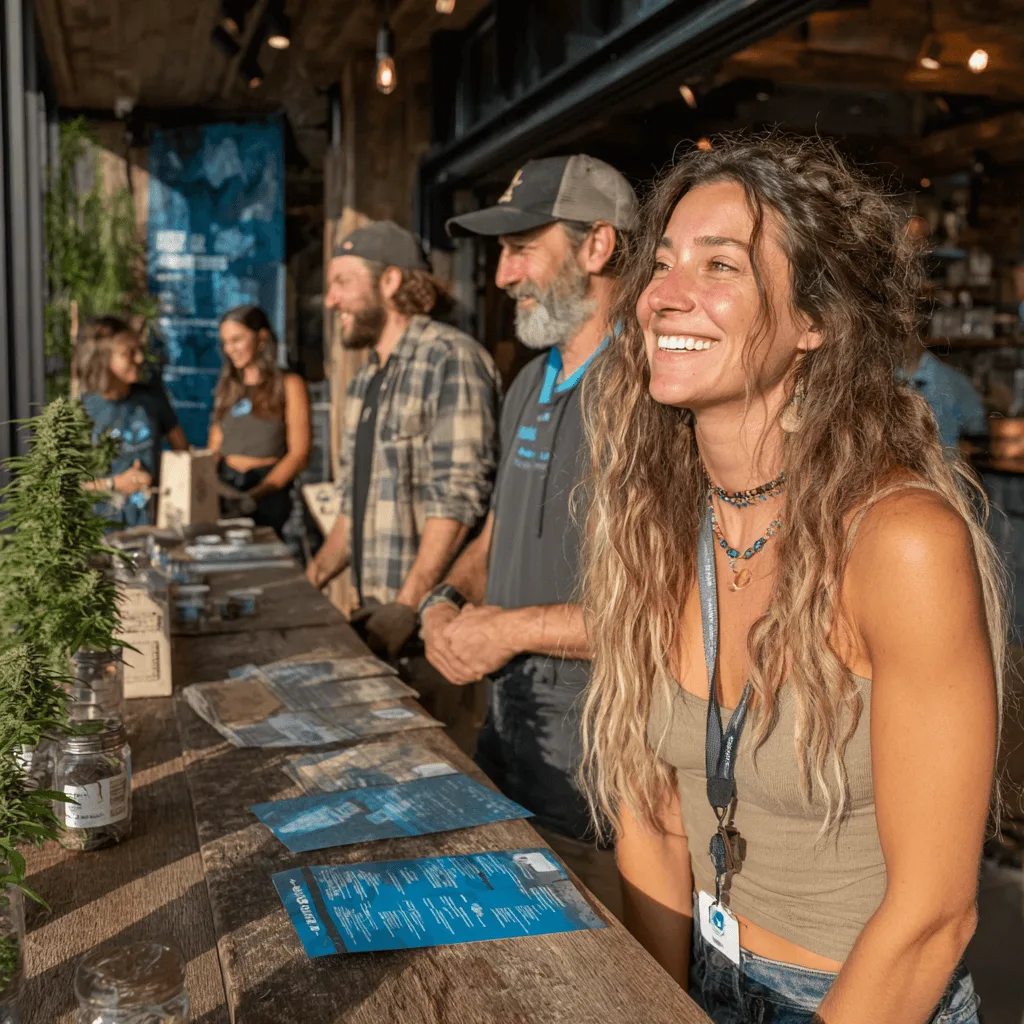
Indigenous Cannabis Industry Event: Don’t Miss This Game-Changer!
The Indigenous Cannabis Industry Event is lighting up the national conversation right now—and believe me, the energy is undeniable. Indigenous entrepreneurs, policymakers, and community leaders are all positioning themselves at the heart of the cannabis movement, as regulatory winds shift and cultural understandings evolve. With new market opportunities, justice reforms, and sovereignty issues hitting the front lines, this year’s summit lands at a crucial moment. Think networking, advocacy, and change—happening live, not just in theory. If you’re all about core industry shifts, bridging legal gaps, and advancing Indigenous business in cannabis, then this gathering is where the future is being shaped. Keep reading for the inside scoop on what’s fueling the buzz and how this Indigenous Cannabis Industry Event is setting the stage for something much bigger.
Understanding the Landscape: The Indigenous Cannabis Industry Event in Context
To get why this Indigenous Cannabis Industry Event matters, you have to know the bigger picture. For decades, cannabis laws have been a rollercoaster for Indigenous communities. Tribes face a unique legal and economic terrain, dealing with sovereignty and overlapping federal, state, and tribal rules. According to MJBizDaily, tribal nations navigated complicated federal-state relationships even before legalization picked up steam across the U.S. Federal uncertainty often means barriers for Native entrepreneurs in accessing banking services, investment, and stable supply chains. Add to that a growing movement for cannabis justice and economic self-determination. Recent shifts, like federal safe banking discussions (The New York Times), public support for full legalization, and new policy frameworks for social equity—all underline why dialogues sparked by gatherings like this are so vital. In the same way that federal agencies have begun reconsidering the rescheduling of other substances, as seen in recent policy changes concerning psilocybin, shifts in the cannabis landscape highlight the importance of Indigenous leadership. The Indigenous Cannabis Industry Event stands out as a bridge between grassroots action, policy advocacy, and market expansion. Here, Indigenous voices aren’t just heard, they’re leading the conversation.
The 2025 Indigenous Cannabis Industry Event: Key Developments & Groundbreaking Issues
The fourth annual National Indigenous Cannabis Policy Summit is set for November 11-13, 2025, in Washington, DC, hosted by the Indigenous Cannabis Industry Association (ICIA). This is the definitive meeting ground for decision-makers in the Native cannabis space. According to Red Lake Nation News, registration is officially open, and the agenda includes deep dives into tribal sovereignty, restorative justice, federal banking challenges, and sustainable business models.
- Key speakers feature powerhouse Indigenous entrepreneurs, national policy experts, and representatives from leading Native-owned cannabis enterprises.
- Workshops tackle issues like disparities in access to capital, social equity programs, and cross-jurisdictional supply chains.
- Policy sessions drill into the new SAFE Banking Act proposals, tribal-state compacting risks, and evolving federal enforcement dynamics.
- Cultural programming centers Indigenous values, language revitalization, and the unique role of Native communities in crafting ethical industry standards.
Many tribal nations have been at the forefront, such as the Tulalip Tribes, Shinnecock Nation, and Red Lake Band, launching businesses and shaping advocacy for responsible legalization (see Filter Magazine). The summit isn’t just another conference, it’s a packed lineup propelling real policy evolution. Recent policy shifts regarding psychedelics on the state level, such as the growing movement to legalize psychedelics across several states, signal that broader changes on controlled substances are influencing conference conversations as well. By spotlighting regulatory hurdles and legislative progress, the Indigenous Cannabis Industry Event draws a serious crowd committed to making change happen from the ground up.
Expert Analysis & Deeper Insights: Why the Indigenous Cannabis Industry Event Matters
Here’s where experience on the ground kicks in: Indigenous entrepreneurs don’t just want a piece of the cannabis pie, they’re looking to build their own bakery. As Jason Wilson, Senior Cannabis Researcher, points out, “Indigenous communities are redefining social equity in the cannabis industry, and their perspective is essential for lasting, fair policy.” Momentum is building. Federal reforms—like ongoing discussions about descheduling cannabis and allowing fair access to banking—could be massive game-changers, especially for Native businesses operating under tribal law instead of state regulations.
At these summits, you’ll catch debates on the nuances of tribal sovereignty and see strategies for sidestepping traditional banking roadblocks using tribal credit unions or alternative fintech. Industry experts, notably from Marijuana Moment, report how Native entrepreneurship and activism push for a deeper kind of justice, one not easily achieved through top-down state legalization alone. For those interested in how voters and political candidates are factoring cannabis into their future policy stances, the New Jersey governor’s race demonstrates how cannabis has become a top issue among voters. Attending the Indigenous Cannabis Industry Event, you get access not only to market moves and regulatory updates, but also cultural wisdom and long-term vision lacking in mainstream venues. It’s a pulse check and a roadmap rolled into one. Industry leaders stress that the more space is made at the table for Indigenous-led ideas, the sturdier the entire cannabis industry becomes.
Future Outlook and Conclusion: The Way Forward for the Indigenous Cannabis Industry Event
Looking ahead, the Indigenous Cannabis Industry Event sets the tone for a future where Indigenous leadership drives industry norms and regulatory evolution. As legal frameworks open up, there’s every indication that tribal sovereignty, innovative Indigenous-owned businesses, and healing justice initiatives will gain ground. According to Brookings Institution, integrating Indigenous voices into federal and state cannabis policymaking leads to more equitable, sustainable frameworks. The future isn’t just green—it’s culturally rich, diverse, and collaborative. With awareness and solidarity growing across the market, social acceptance of Indigenous participation in cannabis continues rising. By building on the momentum of this year’s event, the industry is set for smarter, more just growth. So, whether you’re a curious newcomer or a seasoned pro, keep your eye on the Indigenous Cannabis Industry Event—it’s where the cannabis industry’s most exciting chapters are being written.
Originally reported by: redlakenationnews.com