



Tribal Influence Cannabis Industry: Game Changers Revealed
The tribal influence cannabis industry is making major headlines as Indigenous nations step into the cannabis scene with authenticity and purpose. From landmark deals to social impact, tribes are changing how business gets done. Why does this matter right now? Regulatory shifts, market opportunities, and recent agreements are making headlines—sparking a new era of economic empowerment and social change. This article digs into the latest developments, legal context, and why tribal involvement is becoming a crucial game changer for the cannabis world.
The Legal & Cultural Landscape: How Tribes Are Redefining the Cannabis Industry
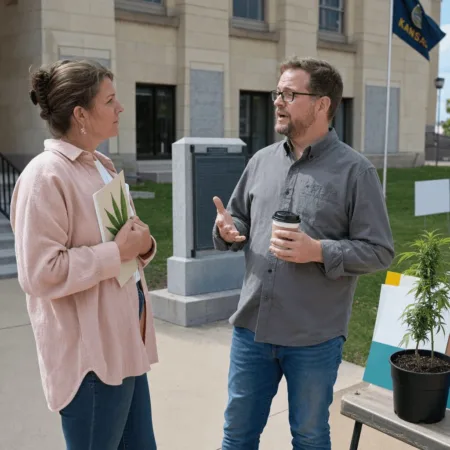
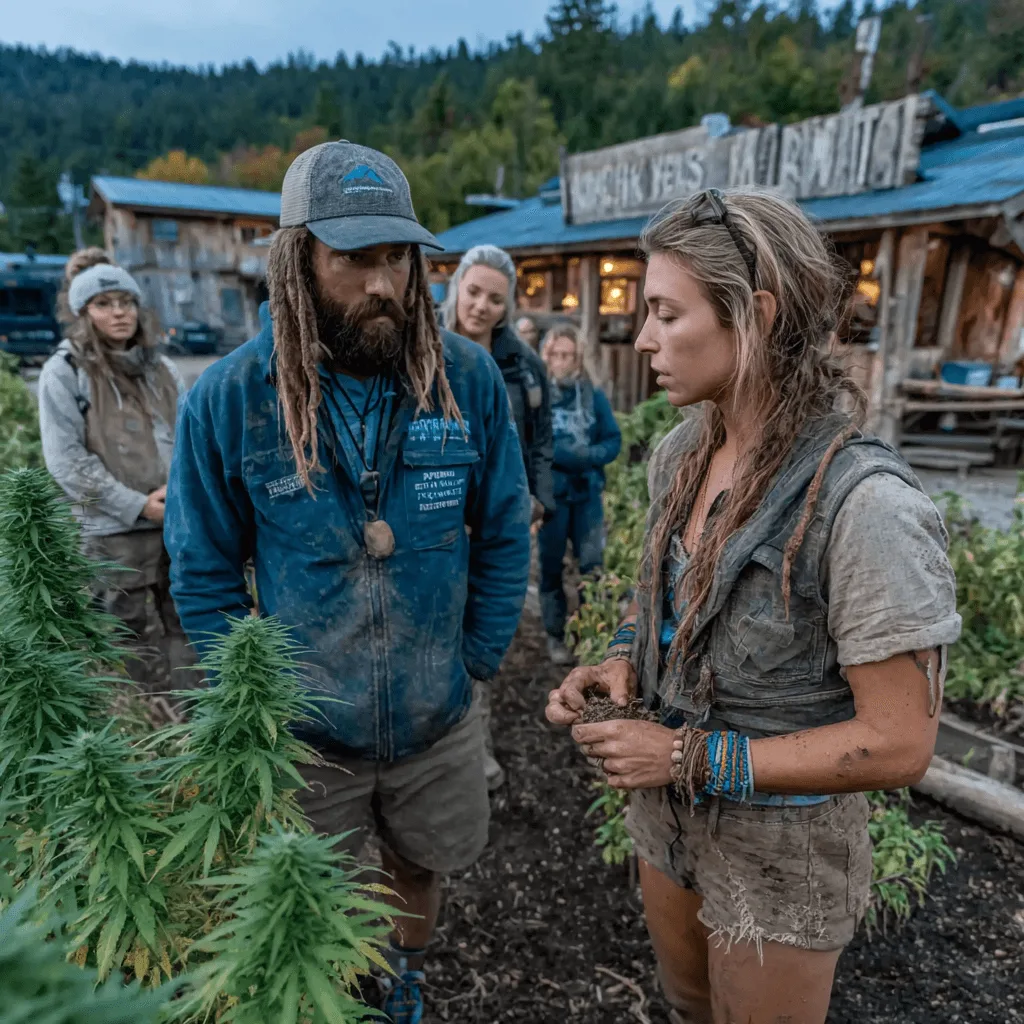
The tribal influence cannabis industry stands at a unique crossroads in U.S. regulatory history. Thanks to federal sovereignty, many Native American tribes can operate outside state cannabis restrictions, unlocking new business models (NORML reports). Tribal governments negotiate directly with federal or state officials, establishing compacts that often bypass the delays, bureaucracy, or moratoriums faced by traditional industry players. Culturally, tribal communities view cannabis through a lens of health, healing, and justice—a sharp contrast to the profit-first approach seen elsewhere (NBC News highlights). For many tribes, cannabis legalization isn’t solely economic; it’s about restoring self-determination, correcting historical injustices, and addressing community wellness. Developments like the Indigenous Cannabis Industry Conference are inspiring conversations across the sector, showing the cannabis sector what meaningful leadership and community stewardship look like.
Major Moves: Recent Tribal Cannabis Deals & Industry Game Changers
Zooming in on recent news, the tribal influence cannabis industry has made power moves in 2024. According to MJBizDaily, numerous tribes across states like New York, Michigan, and South Dakota have finalized new compacts or expanded operations. In New York, the Shinnecock Indian Nation recently opened Little Beach Harvest Dispensary, setting a precedent for tribal-owned cannabis businesses on the East Coast. The Seneca Nation also announced plans to scale cultivation and retail, leveraging tribal sovereignty to bypass state regulatory bottlenecks. Meanwhile, stories like the progress made by downtown tribal cannabis retailers highlight how culture and commerce can successfully merge. On the West Coast, the Puyallup Tribe in Washington launched one of the region’s largest tribal cannabis enterprises, blending culture and commerce. Legal filings reviewed by MJBizDaily note that these initiatives come on the heels of more inclusive tribal-state agreements, where tax revenue sharing and social equity funds are now a core focus. In every deal, tribes are insisting on a community-first approach, supporting tribal youth, substance abuse programs, and cultural restoration projects with their cannabis profits. This active, hands-on model stands in stark contrast to the corporate-dominated dispensary rollouts elsewhere.
Expert Take: Why Tribal Influence Is a Cannabis Industry Game Changer
Industry experts agree, the tribal influence cannabis industry isn’t just growing; it’s evolving cannabis culture and policy as a whole. “When tribes take the lead, you see real commitment to equity and healing—not just dollars and cents,” notes Hilary Bricken, a cannabis attorney and industry analyst in Canna Law Blog. These new tribal models highlight how regulatory creativity, historical knowledge, and fierce community focus translate into business success. More than just economic diversification, tribal cannabis is disrupting outdated narratives by emphasizing restorative justice and health—a theme echoed by Marijuana Moment in their recent industry roundup. At events designed for knowledge sharing, Indigenous cannabis industry gatherings are driving unity and reform throughout the broader sector. Tribal input is challenging state licensing systems to become more fair, pressuring lawmakers to address inequities, and providing proof that social impact and profitability can go hand in hand. As a result, states and even federal agencies are paying attention, opening the door for collaborative solutions that put people and communities first.
The Road Ahead: A Bright Future for Tribal Influence in Cannabis
The momentum behind the tribal influence cannabis industry isn’t slowing down. Looking forward, more tribes are expected to launch vertically integrated cannabis operations, with new partnerships and supply chain innovations. Regulatory agencies on both state and federal levels are taking notes, often modeling equity initiatives after tribal compacts. As mainstream attitudes continue to shift, so will support for Indigenous entrepreneurship, culture, and inclusion. Experts like Leafly suggest the industry is on the verge of even broader social acceptance, with tribal leadership showing how cannabis business can—and should—uplift entire communities. The future of U.S. cannabis is undeniably more diverse, just, and promising, thanks in no small part to tribal visionaries blazing the trail.
Originally reported by: mjbizdaily.com