



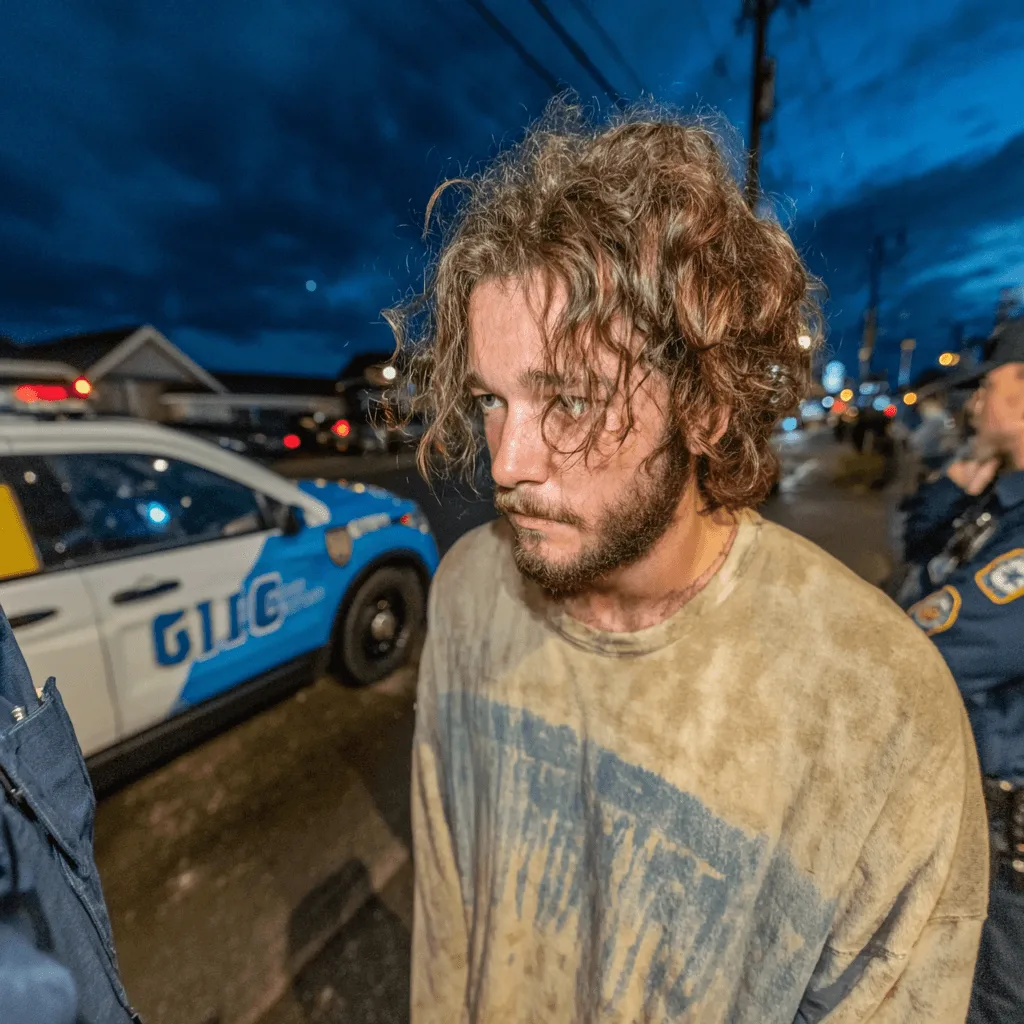
Sheldon Marijuana OWI Arrest: What Really Happened?
Cannabis headlines are lighting up again, this time with the sheldon marijuana owi arrest grabbing attention. With shifting regulations and rural communities navigating cannabis use, this story’s got everything: out-of-the-blue law enforcement, legal dilemmas, and a community reckoning with changing norms. We’ll break down what happened, why it matters now, and how it fits into the bigger legal cannabis puzzle. You’ll get clear facts, smart perspective, and some laid-back context—no hype, just honest discussion with a pro-cannabis twist.
Understanding Cannabis Laws: Midwest, OWI, and the Rising Debate
The heartland’s relationship with cannabis is in flux. While states like Michigan and Illinois have gone all in, states such as Iowa continue to enforce strict prohibitions on recreational marijuana, and only limited forms of medical use, per The Des Moines Register. “OWI,” operating while intoxicated, remains broadly applied to substances like cannabis, not just booze. This legal approach often puts small-town residents at the intersection of federal and state rules, local law enforcement, and changing attitudes on cannabis. In some states nearby, regulators and political leaders are having intense debates that resemble the current back-and-forth in Iowa, as highlighted by recent challenges to medical cannabis rules in Nebraska. Many rural communities, like Sheldon, face a dilemma: balancing decades-old norms with new science and public opinion supporting reform, as tracked by major organizations such as NORML.
Market trends also play a role. As more Americans support regulated cannabis, conflicts heat up between local police and everyday folks caught in regulatory crossfire. The sheldon marijuana owi arrest shines a light on this tension, reminding us that what’s legal a few miles away could be a major infraction here. This is especially true when law enforcement focuses on cannabis OWI arrests, even while national conversations move toward harm reduction and restorative justice.
Straight Facts: The Sheldon Marijuana OWI Arrest Story
According to NWIowa.com, the incident unfolded one calm evening near downtown Sheldon. A local man in his late 20s, whose name was not disclosed in initial reports, was pulled over on suspicion of impaired driving. Local police initiated the stop after observing what they described as “erratic driving” along a quiet side street. During the encounter, officers claimed to notice the odor of cannabis and requested a field sobriety test.
Officers reportedly found a small bag of marijuana and rolling papers in the vehicle, along with a suspect traffic violation. The driver admitted to recent cannabis use but denied being impaired at the time. Authorities conducted further roadside testing, and the man was ultimately arrested and booked for operating while intoxicated (OWI), possession of marijuana, and possession of drug paraphernalia—all misdemeanor charges under Iowa law. According to Iowa Code 321J, OWI laws extend to drugs other than alcohol, including THC.
Community discussion also illuminates how broader legal and social impacts echo through smaller markets, with heated conversations frequently arising in other contexts, as seen during recent high-profile drug-related arrests outside Iowa. The sheldon marijuana owi arrest quickly became a local talking point, with community members questioning the fairness of cannabis testing, the science behind impairment detection, and the broader implications for civil liberties. The incident adds to a growing list of cannabis-related citations in small Midwestern towns, highlighting local law enforcement’s ongoing commitment to current Iowa statutes, even as national calls for change grow louder. The case is pending local court review, and the outcome could impact law enforcement patterns in northwest Iowa.
Industry Insights: Science, Policy, and What This Means for Cannabis Culture
In the bigger picture, the sheldon marijuana owi arrest is one small example of much larger questions: How do you prove cannabis impairment? What’s fair for medical users? And how can we update outdated laws?
Cannabis’s effects on driving remain a live debate. Leading experts emphasize that current roadside testing, such as field sobriety or saliva swabs, often can’t differentiate between recent and past use. According to Leafly, “THC can remain detectable long after any actual impairment is gone.” This disconnect often leads to charges even when no meaningful impairment exists.
As Paul Armentano, Deputy Director of NORML, points out: “Per se THC limits are not evidence-based. We need tests and policies that actually reflect impairment, not just presence.” (NORML)
On the societal side, cannabis advocates argue for reform and education, not fear-based crackdowns. Legalization and community-based events, for example, offer new perspectives on safe cannabis use and social impact, as demonstrated by recent events blending cannabis advocacy with community causes. Many believe the sheldon marijuana owi arrest might help spotlight the need for better impairment tools and more pragmatic laws. If Iowa’s regs change, future cases could look very different, especially for responsible adults and registered medical patients.
Looking Forward: Opportunity, Reform, and Sheldon’s Place in the Cannabis Conversation
Despite the serious tone surrounding the sheldon marijuana owi arrest, there’s cause for optimism. Across the Midwest, more residents and lawmakers are embracing smarter, fairer cannabis policies. States like Minnesota and Illinois have shown that reform is possible, both reducing unnecessary arrests and boosting state economies, as reported by Marijuana Moment.
This incident won’t define Sheldon, but it might spark overdue discussion on how rural communities handle the cannabis evolution. The future points toward nuanced laws, evidence-driven science, and a shift from criminalization to education and safe consumption. For now, the Sheldon story is a reminder: reform isn’t just an urban issue. Even quiet towns are part of a movement changing America’s outlook on cannabis—one conversation, and one legal case, at a time.
Originally reported by: nwestiowa.com