





Kansas hemp industry faces new federal threat—learn why now
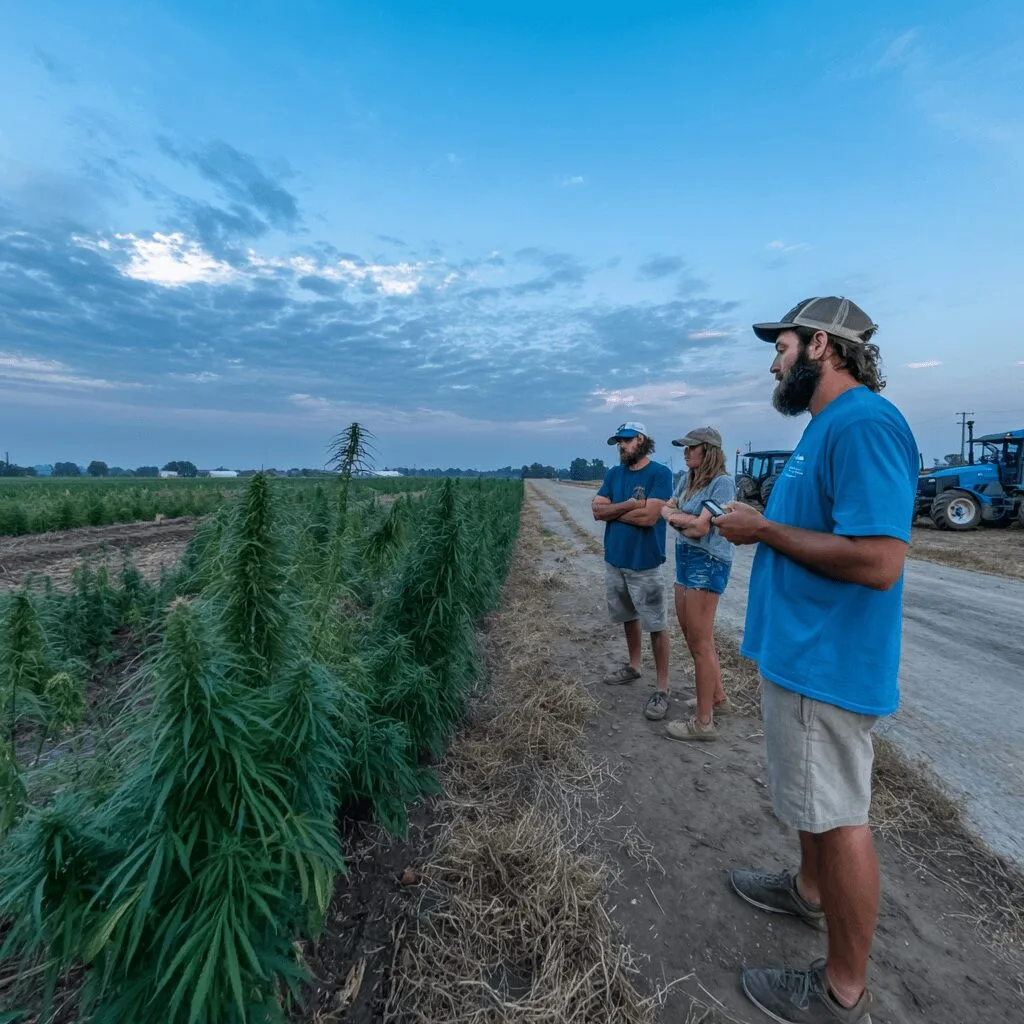
If you’ve been watching the news—or just chatting with folks at your local co-op—you know the Kansas hemp industry is in for a wild ride. With a fresh federal curveball thrown its way, growers and entrepreneurs are feeling both anxiety and resolve. The industry, once a beacon for rural economic hope and agricultural innovation, now finds itself facing regulations that could alter the state’s green horizon. This article breaks down why Kansas hemp matters right now, outlines the new federal threat, and offers a roadmap for what comes next for the Kansas hemp industry and its advocates.
Understanding the Regulatory Roots: The Kansas Hemp Industry’s Landscape
The Kansas hemp industry is no stranger to navigating regulatory hurdles. Since the passage of the 2018 Farm Bill, which federally legalized hemp cultivation, Kansas farmers have steadily expanded operations. However, their path has often been complicated by patchwork state and federal rules, ambiguous THC limits, and evolving enforcement priorities. Local regulation by the Kansas Department of Agriculture reflects ongoing tension between innovative agricultural development and concerns over public health, law enforcement, and federal compliance. The pressure has only intensified as federal agencies like the DEA ramp up scrutiny, citing lingering worries about potential overlap between legal hemp and illegal cannabis. Meanwhile, shifting law enforcement attitudes about marijuana possession and evolving social perceptions are playing a role throughout the region, echoing situations seen in other states where arrests and policy changes have made headlines. Industry associations, including the Hemp Industries Association, continue advocating for clarity and support, stressing the economic potential of hemp as a cash crop amidst rural decline and climate challenges in Kansas.
Key Developments: New Federal Threats Rock the Kansas Hemp Industry
On December 3, 2025, a new threat facing the Kansas hemp industry emerged with news that federal authorities are re-examining how hemp products are regulated. According to Lawrence KS Times, Kansas producers now face possible federal crackdowns on certain hemp-derived cannabinoids, particularly those resembling delta-9 THC. While state-licensed operators such as Sun Valley Hemp and Prairie Fields Ag have played by the rules, they are now caught in a shifting legal landscape. At the heart of the conflict are recent memos from the Drug Enforcement Administration, suggesting stricter control over synthetic or semi-synthetic cannabinoids—even if they’re derived from legally produced hemp. This announcement has caused confusion and worry among Kansas hemp farmers, like those from Central Plains Organics, who invested heavily under state oversight. Industry advocacy groups are rallying for urgent clarification as a December 31 regulatory deadline looms. Reports indicate that retailers across Kansas are reevaluating inventory and reliant processors have put expansion plans on hold, fearing surprise enforcement actions amid contradictory federal and state guidelines (see Marijuana Moment for continuing coverage). Notably, states like Vermont have also experienced regulatory threats to farmers, especially related to hemp and CBD legislation as discussed by advocates concerned about anti-hemp policies.
Expert Analysis and Cannabis Community Insights
So, let’s keep it real, regulatory red tape isn’t new, but this latest move hits different for the Kansas hemp industry. Why’s everyone sweating? Because hemp became a lifeline after wheat prices tanked and pandemic-era supply chains broke down. Now, anxiety about federal enforcement has local businesses burning midnight oil, and maybe a little midnight hemp. “If the DEA’s interpretation holds, Kansas farmers could lose out on millions invested under lawful state programs,” explains Morgan Fox, a policy analyst for the National Cannabis Industry Association (NCIA). The broader industry is watching closely because Kansas isn’t alone, similar regulatory tangles have slowed the booming hemp game coast to coast, according to writers at Hemp Grower Magazine. Public health and community safety concerns, such as the impact of cannabis use on adolescents and psychiatric well-being, are sparking ongoing debate in cannabis circles. But some optimism remains. Thought-leaders point to growing bipartisan support in Congress for hemp reform. And let’s be honest, Kansas hemp producers are nothing if not resilient, after all, they turned tumbleweeds and prairie winds into rows of leafy green hope.
Future Outlook: Green Shoots Still Grow in Kansas
The federal wind may be cold and blustery, but the Kansas hemp industry is rooted deeper than most realize. Industry insiders are pushing for quick, sensible reforms—whether through legislative fixes, clearer DEA communications, or industry-led best practices—to clear the fog. As NORML and other advocacy groups note, hemp’s legitimacy is only increasing thanks to its mainstream acceptance, growing market demand, and the state’s agricultural spirit. The coming months may be tense, but optimism is justified. Given the resourcefulness of Kansas producers and mounting calls for clarity from Congress and community leaders, the industry is poised for a rebound. Keep your boots handy and your head up—the Kansas hemp industry isn’t just surviving, it’s evolving and laying roots for a greener future for everyone.
Originally reported by: lawrencekstimes.com


1 Comment
Pingback: CBD food regulation Europe: What You Need to Know Now