





Cannabis Use Adolescents Psychiatric: Surprising New Findings
Yo, the cannabis scene just got hit with another wave of fresh research—this time it’s focused on a question that’s been quietly stirring up controversy in health circles: cannabis use adolescents psychiatric. With legalization on the rise and youth culture evolving, recent studies are shining new light on the mental health impacts for teens. This isn’t just academic chat; it has big implications for parents, policymakers, and pretty much everyone who cares about the next generation. Today we’ll break down why cannabis use adolescents psychiatric is suddenly trending, unpack surprising findings, and look at what it means for the cannabis community and broader society.
Understanding the Regulatory and Social Backdrop
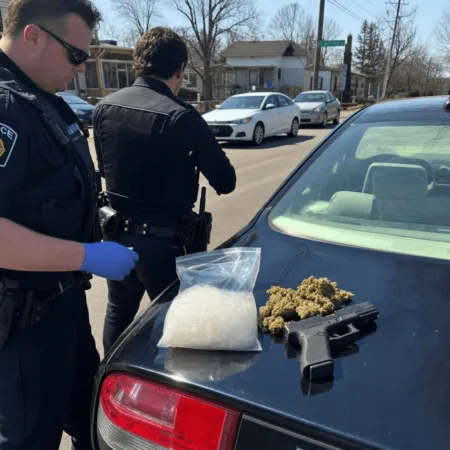
The conversation around cannabis use adolescents psychiatric is heating up, largely due to a changing legal landscape and evolving social attitudes toward marijuana. According to Pew Research, a record number of Americans now support cannabis legalization, with medical and recreational markets expanding rapidly since 2012. States like Colorado, California, and Illinois led the charge, but with legalization comes a surge in access, especially among youth. This shift has sparked policy debates and driven new research on how cannabis may affect young people, especially those already dealing with psychiatric challenges. In addition to national debates, in some local communities, high-profile law enforcement actions such as police seizures involving guns and cannabis further highlight the complicated relationship between policy, youth access, and public safety. On the medical front, concerns center around the developing adolescent brain. Both the Substance Abuse and Mental Health Services Administration and leading pediatric groups warn that teenage use could play a role in psychiatric outcomes such as anxiety, depression, or early onset psychosis. Yet these issues remain hotly debated within scientific and advocacy communities. While legal states push for robust youth education and safe access rules, black-market pressures and mixed cultural messages complicate enforcement, as reported by Drug Policy Alliance. As norms shift, understanding the roots, and risks, of cannabis use in adolescents with psychiatric factors is key.
New Research: Cannabis Use, Adolescents, and Psychiatric Realities
The recent Mass General Brigham Press Release brought a spotlight to cannabis use adolescents psychiatric concerns. Their study found that adolescents with existing psychiatric conditions, including anxiety disorders and depression, are increasingly likely to use cannabis compared to their peers. Researchers used population-based health records from major U.S. hospital networks collected over the past five years, ensuring robust data quality. One striking finding: teens diagnosed with psychiatric illness were up to three times more likely to engage in regular cannabis use. The analysis also noted upward trends post-legalization in multiple states, with the spike most visible in regions where retail stores opened between 2016 and 2022. These findings have been echoed by others, including large public health reviews from the CDC. In parallel, recent legislative changes in states like Texas are creating new momentum for medical markets, as detailed in reports about expanding patient access and cannabis providers. Of course, the underlying causes remain complex. Stigma, ease of access, social pressures, and self-medication for mental health symptoms all contribute to the rise. Nonetheless, the spotlight is now firmly on how cannabis use adolescents psychiatric trends interact, and what interventions may help.
Expert Insight: Bridging Medical Reality With Cannabis Culture
This debate deserves a nuanced view, far beyond fearmongering or uncritical hype. Cannabis advocates and mental health experts agree: the intersection of cannabis use adolescents psychiatric factors isn’t black and white. America’s largest mental health publication, Psychology Today, highlights both the complexity and the gaps in knowledge. As Dr. Yasmin Hurd, Director of the Addiction Institute at Mount Sinai, puts it: “Cannabis might have a role in relieving certain psychiatric symptoms, but its effects, especially in young, vulnerable brains, require careful, evidence-based guidance.” It’s about risk, context, and support, not blanket bans. Industry experts cite the need for better education, patient-specific approaches, and a focus on mental health equity. For every scary headline, there’s a story of cannabis helping someone cope, or of innovative research seeking safer solutions. Recent insights into the complexities of cannabis and mental health, such as those found in new research outlining cannabis-related health syndromes, further underscore the diversity of experiences among young people.
Future Pathways: A Forward-Thinking Take on Cannabis and Adolescent Mental Health
The bottom line? This is a moment for candor—and optimism. As more data emerges, clear-eyed discussion can drive better mental health support and smarter cannabis policies. Industry regulators, backed by recent National Conference of State Legislatures guidance, are working to tighten youth protection without demonizing cannabis outright. Society’s understanding will continue to evolve. The growing visibility of cannabis use adolescents psychiatric issues is ultimately a good thing—it can fuel innovation, more compassionate treatment, and a responsible cannabis culture. This movement is about progress, not panic. Let’s keep the conversation going and shape the future of cannabis with heart, humor, and science on our side.
Originally reported by: massgeneralbrigham.org

1 Comment
Pingback: Fentanyl Marijuana Meth Arrest: Stunning Marion County Bust