CBD Anti-Hemp Legislation: Must-Read Update & Insights
Heard the latest on CBD anti-hemp legislation? If you’re in the hemp game, pay attention. Lawmakers are floating new restrictions threatening hemp farms and CBD small businesses—right when CBD is trending and rural communities depend on this crop. These moves aren’t just paper-pushing: Vermont’s entire hemp industry is on alert. In this must-read, get key facts, what’s at stake, and real talk on how CBD anti-hemp legislation could shake up Vermont farmers, consumers, and the broader cannabis community.
Background: Unpacking the Surge of CBD Anti-Hemp Legislation
The rise of CBD anti-hemp legislation comes at a time when the U.S. cannabis market is booming, but legal clarity is in short supply. According to Marijuana Moment, over 35 states have legalized some form of cannabis, with many growing hemp for CBD. However, the 2018 Farm Bill, while opening doors for hemp growers, left regulatory gaps. These gaps let states like Vermont set their own rules, sometimes more restrictive than federal guidelines. As CBD becomes a go-to wellness supplement, regulators face challenges balancing market integrity, safety, and access. That tension is exactly where CBD anti-hemp legislation carves its place, raising industry-altering questions not just for Vermont, but for all hemp-growing states. Social pressures, misperceptions about hemp, and competitive lobbying from other agricultural interests also stir the cauldron, fueling new policy battles. Similar regulatory uncertainty and shifting local standards can be seen in events such as the recent approval of local cannabis cultivation permits in Watertown, which sparked major debate about community growth and oversight.
Key Developments & Main Issues in Vermont’s CBD Anti-Hemp Legislation
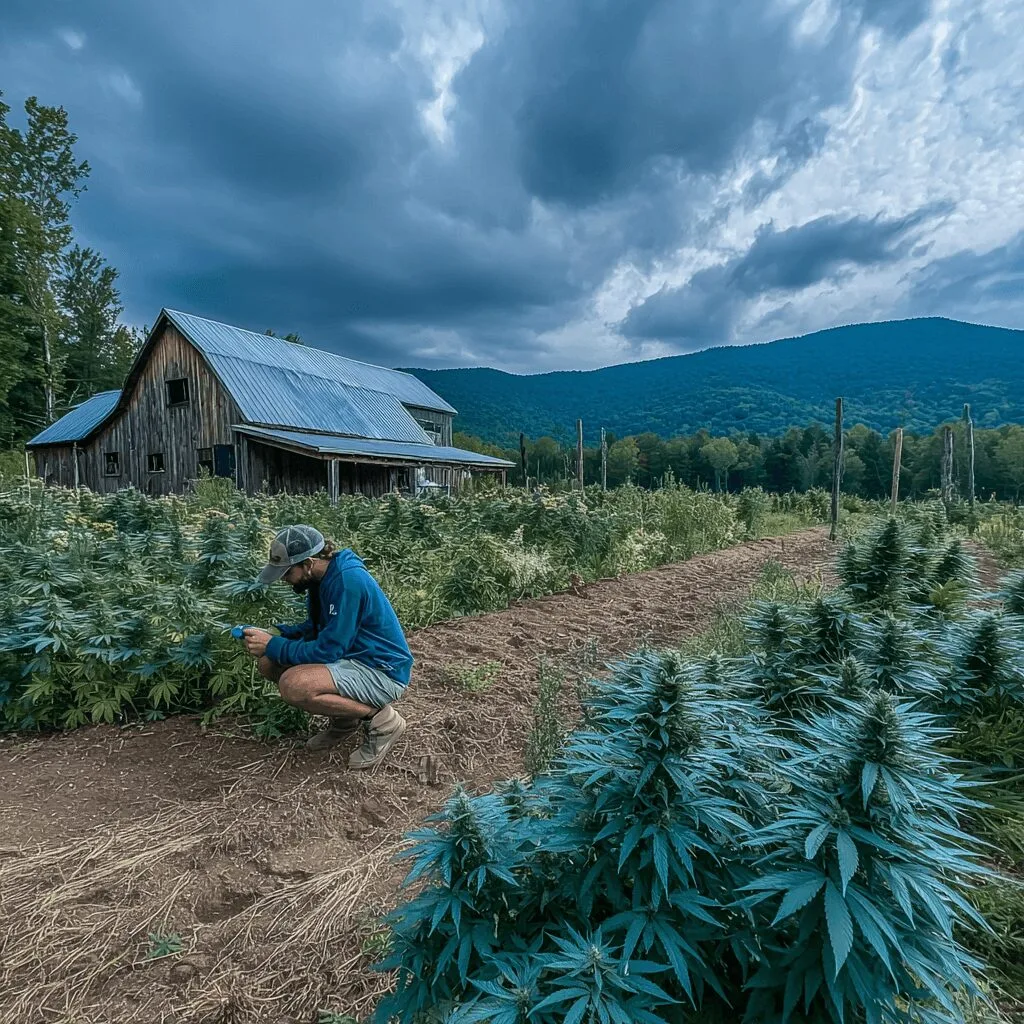
Let’s get into boots-on-the-ground facts from Vermont. Sunset Lake CBD, one of the state’s flagship hemp farms, recently sounded the alarm in an open letter on the Reformer. Here’s how it shakes out: Vermont lawmakers have introduced legislation (as of late May 2024) redefining hemp, imposing new testing regimes, and possibly restricting processing methods used by small- and mid-size farms. The heartbeat of the issue is state bills that could outlaw or legally sideline artisanal CBD businesses, which often lack the financial muscle to navigate complex new compliance mandates. Moments like this echo broader shifts in the cannabis sector, as seen with Curaleaf’s recent Virginia market entry, which highlights how legal changes can reshape market access for businesses. The article singles out House Bill H.612 as particularly troublesome for producers who built their business under the original regulatory framework. Specific legal tweaks, like changing accepted THC thresholds or banning certain extraction processes, could force many Vermont hemp operations to shutter or radically pivot. The article highlights real stories from local families whose livelihoods are on the line, underscoring that, for many, the impact of CBD anti-hemp legislation isn’t theoretical. It’s their mortgage, their future, and the Vermont landscape itself.
Expert Analysis & Insights: The Stakes and Bigger Picture of CBD Anti-Hemp Legislation
So what’s really driving these CBD anti-hemp legislation pushes? It’s a classic regulatory whiplash, says leading policy analyst Norml: “When states react too quickly to market fears or political pressure, they often end up harming exactly the communities they want to protect,” notes cannabis law scholar Dr. Sally Thompson, via Leafly News. The reality is most Vermont CBD producers already operate under stringent safety and tracing protocols, celebrated in the latest Hemp Industry Daily state comparison. Anti-hemp proposals risk penalizing family farmers instead of rooting out real bad actors. Industry experts warn such laws could disrupt market supply chains, hike consumer prices, and stall regional economic growth, much like the wider implications seen with potential Medicare reforms affecting CBD health access for consumers. Meanwhile, national brands and giant cultivators are better equipped to absorb red tape, tilting the field against local participants. If CBD anti-hemp legislation keeps tightening, Vermont could lose its craft-farming heritage—a warning echoed by hemp advocates coast-to-coast.
Future Outlook: Where the Hemp Industry Goes from Here
While CBD anti-hemp legislation brings big hurdles, there’s a fighting chance for smarter, fairer laws ahead. Looking nationally, evolving federal discussions—like the proposed SAFE Banking Act and calls for cannabis scheduling reform—signal broader acceptance and pragmatic policymaking, as Bloomberg Law recently covered. Vermont’s hemp advocates aren’t backing down, joining a groundswell movement defending small producers’ rights and sustainable agriculture. The lesson? Innovation and advocacy work. Grassroots campaigns have already swayed numerous state reforms by putting real faces on the issue. With consumer demand for local, transparent CBD higher than ever, it’s likely regulators will hear the call: keep Vermont’s hemp scene alive, ethical, and competitive. In the long arc, these debates will enrich the conversation, helping the cannabis industry mature into the powerhouse it’s destined to be.
Originally reported by: reformer.com