





Shocking Marijuana Possession Arrests: What Happened Next?
The conversation around marijuana possession arrests is heating up nationwide, reflecting a clash between shifting legal landscapes and on-the-ground realities. As more states move toward legalization and decriminalization, stories like this recent multi-person arrest underscore where progress still lags. Understanding what happened, why it matters, and what it means for the future is essential for anyone following cannabis policy, social justice, or the business of bud.
The Shifting Landscape: Marijuana Possession Arrests in Context
Over the past decade, the United States has experienced rapid evolution in cannabis regulation. Legalization for medical and recreational use now reaches over half the population, and public support for reform is at an all-time high (Pew Research). However, the patchwork of state laws and uneven enforcement can still bring harsh realities for some, especially in states or counties yet to embrace change. According to the National Organization for the Reform of Marijuana Laws (NORML), tens of thousands continue to face marijuana possession arrests each year, often for small amounts. These arrests disproportionately impact communities of color, exacerbate social inequities, and burden our legal system, despite a clear market trend toward mainstream acceptance and robust legal sales, as highlighted in recent industry reports. In states with stricter marijuana laws—such as Texas—outcomes can be particularly severe. For example, ongoing debates around the risks Ohio marijuana law poses for users show how local regulation shapes the consequences of possession.
What Went Down: The Facts on Recent Marijuana Possession Arrests
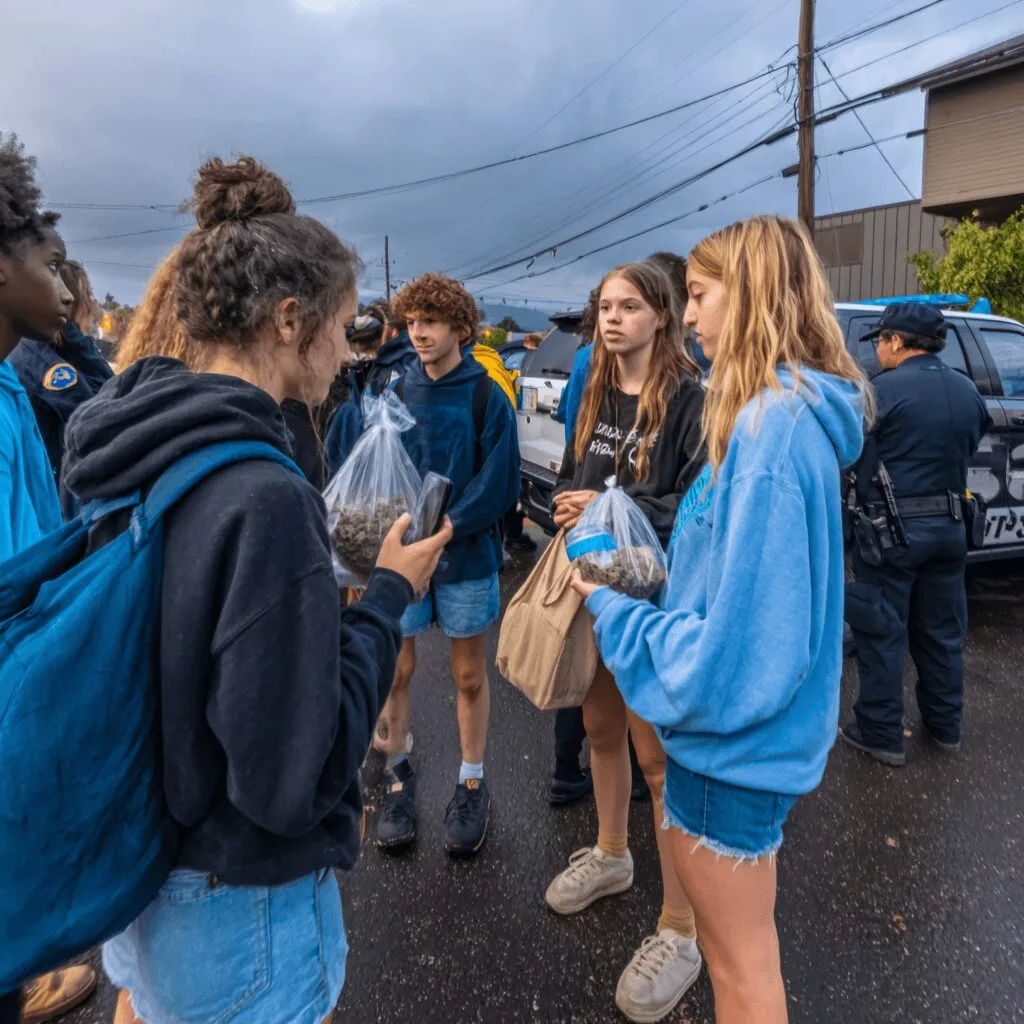
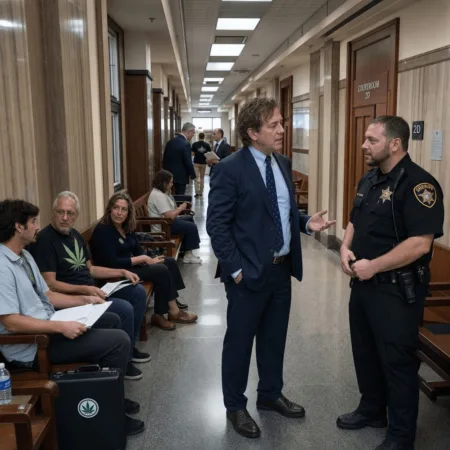
On December 3, 2025, eight individuals faced marijuana possession arrests in a Texas county, according to a detailed account from KWHI Local News. Law enforcement responded to a routine roadside incident near Brenham, discovering small containers and bags of cannabis, along with visible leaves. The group—a diverse mix of young adults—was described as cooperative and nonviolent. Charges ranged from misdemeanor possession under two ounces to Alleged Intent to Distribute, depending on the precise quantities and items found, per Texas state statutes (Texas Health and Safety Code 481). In Texas, recent developments around medical access further illustrate shifting attitudes, as seen when Texas expanded its medical marijuana program to improve patient access. Arrest reports specify that several individuals had only small personal-use quantities, sparking debate over the necessity and proportionality of such actions. The booking process was described as routine, and local officials confirmed that detention hearings were scheduled promptly. While none of the defendants had past violent records, their cases could still lead to fines, mandatory court appearances, and possible probational oversight, a stark reminder that cannabis reform hasn’t reached every corner.
Expert Take: The Deeper Meaning of Marijuana Possession Arrests
The cannabis industry has long decried the human and economic cost of marijuana possession arrests. As Marijuana Moment aptly reported, thousands still face “legal jeopardy for actions now considered everyday business elsewhere.” Industry veteran and advocate Steve DeAngelo, co-founder of Harborside, once stated, “Every cannabis arrest is a policy failure, and a wasted opportunity for justice, revenue, and public health” (Forbes). Legal experts point out that inconsistent enforcement, especially in jurisdictions bordering legal states, creates confusion for consumers and business operators alike. Not only do these arrests undermine community trust, they also perpetuate outdated stigmas at odds with mainstream attitudes. Most arrests involve personal use or small possession—data verified by the ACLU’s landmark marijuana policing report—with little public safety benefit. Instead, the broader trend is clear: regulators, lawmakers, and savvy market-watchers are calling for equity-centered justice, streamlined expungement, and practical decriminalization options. Broader policy debates, such as efforts to address legislative threats to CBD and hemp farmers in Vermont, reinforce how deeply cannabis regulation continues to influence economic opportunity and social equity as the market develops.
As the market matures and the science supporting cannabis safety grows, questions only intensify about why and how outdated penalties persist in some regions. The ripple effects reach employment, housing, higher education, and, yes, even the broader business outlook for would-be entrepreneurs and legacy market participants.
Looking Forward: Hope, Reform, and the Path Beyond Marijuana Possession Arrests
Despite frustrating setbacks like the December cannabis charges, the tide of public opinion and policy trends point toward reform. The cannabis sector continues to see record legal sales, expanding jobs, and robust investment—testament to both demand and social momentum. More jurisdictions are now considering relief for those hit by earlier marijuana possession arrests, thanks to growing pressure from advocacy groups, industry leaders, and new research. Recent measures in Illinois, New York, and California signal the path ahead, each using legal reform to right past wrongs and improve public health (NBC News). The future is bright: with more education, open dialogue, and sensible policy, we can replace fear with facts, address past inequities, and create an industry—and society—that treats cannabis with the respect and nuance it deserves. Let’s keep supporting smart reform and fair treatment for all.
Originally reported by: kwhi.com


1 Comment
Pingback: Kansas hemp industry faces new federal threat—learn why now