





Iron Mountain marijuana rules: Big Update on Growing Facilities
The cannabis game in Michigan is constantly evolving, but the latest change in Iron Mountain marijuana rules is hitting especially close to home for anyone following local policy. As the state continues to blaze a trail in both recreational and medicinal cannabis, Iron Mountain just announced an important policy shift that impacts current and future growers. With market shifts and regulatory tweaks always shaping industry momentum, it’s no wonder everyone—from growers to hometown enthusiasts—is watching these Iron Mountain marijuana rules updates closely. In this overview, I’ll break down what changed, why it matters, how experts interpret it, and what might be next for cannabis culture in Iron Mountain.
The Legal and Social Landscape Behind Iron Mountain Marijuana Rules
Since Michigan legalized recreational cannabis in 2018 (Michigan Cannabis Regulatory Agency), communities have navigated the delicate balance between opportunity and caution. Local governments across the state have substantial power to shape access, business licensing, and community standards. According to Crain’s Detroit Business, the market has seen explosive growth, with over $3 billion in legal marijuana sales in 2023 alone. Yet, leaders in places like Iron Mountain often weigh industry demand against local concerns, such as zoning, social impact, or worries over rapid growth. The experiences in markets responding to changes in local cannabis policy—such as how marijuana shop bans impact local businesses and residents—can help inform debates in Michigan. The ability of cities like this to set their own Iron Mountain marijuana rules demonstrates just how decentralized, and sometimes unpredictable, local cannabis regulation remains, even in the nation’s hottest markets. Small-town dynamics, community meetings, and changing attitudes often drive updates like the one just made here.
Key Developments & Issues from Iron Mountain’s Recent Update
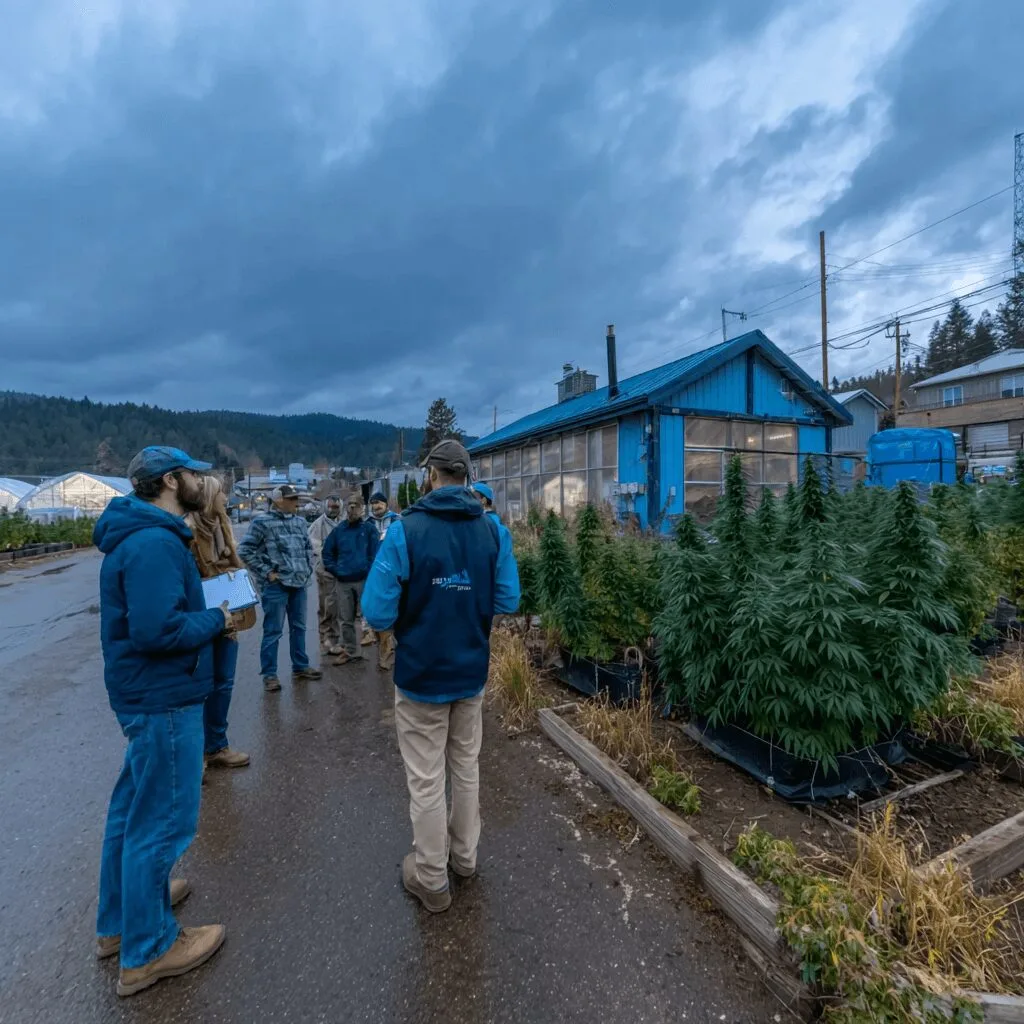
The Iron Mountain Daily News reports that city authorities recently amended the Iron Mountain marijuana rules, imposing a freeze on new marijuana growing facility licenses. The decision, finalized during the December 2025 city council meeting, means that while existing growers like Northwoods Cannabis Company retain their rights, no new commercial growers will be welcomed for now. The city references concerns about market saturation, community character, and possible infrastructure strains. Local authorities, mirroring regulatory debates seen in industries like Minnesota’s evolving approach to hemp regulation, cited the need for further evaluation. According to the city’s legal counsel, the goal is to allow Iron Mountain more time to evaluate the impacts of its current licensed growers. The update comes amid a wider debate on local autonomy over cannabis in Michigan, as reported by sources like the Detroit News. For stakeholders already entrenched in Iron Mountain’s cannabis scene, this new rule means tighter market control and less competition, at least for now.
Expert Analysis, Broader Trends, and Pro-Cannabis Perspective
This update to Iron Mountain marijuana rules reflects a common crossroads for many Michigan towns: do you open the gates wide, or hit pause and see how things unfold? According to leading industry analyst Marijuana Moment, these local crackdowns often stem from understandable caution, but sometimes hamper innovation and equitable access. As industry veteran Jamie Lowell quoted in MLive.com states, “Municipalities need time to adapt, but smart regulations—not arbitrary caps—are how you keep things safe and fair.” While there’s a practical side to limits, reducing risk, and controlling development, history also shows that well-run local programs foster community benefit without chaos. Perspectives from places where the science and hope behind medical cannabis are debated can inform the types of public discussions taking place in Iron Mountain. For patients and enthusiasts alike, such pauses can feel like a speedbump, not a roadblock. Nationally, the cannabis industry has demonstrated that stability and growth can coexist, especially if decision-makers collaborate with operators, advocates, and public health experts.
Future Outlook and Where Iron Mountain Marijuana Rules Go Next
Here’s the deal: While the latest Iron Mountain marijuana rules slow things down, they’re far from the final word. The national trend is moving toward more open, transparent, and fair cannabis licensing, as seen in recent updates from NORML. Communities that engage all stakeholders—growers, neighbors, regulators, and even skeptics—tend to create the most effective cannabis policies. Looking ahead, Iron Mountain could emerge as a model of how to thoughtfully balance growth with hometown values. Local advocates remain hopeful: today’s pause may set the stage for ‘Next Gen’ policies that combine strong standards with fair opportunity. The Michigan cannabis sector remains a powerhouse, and Iron Mountain’s evolving rules will keep shaping that story for years to come.
Originally reported by: ironmountaindailynews.com


1 Comment
Pingback: US hemp product ban: What’s changing and why it matters