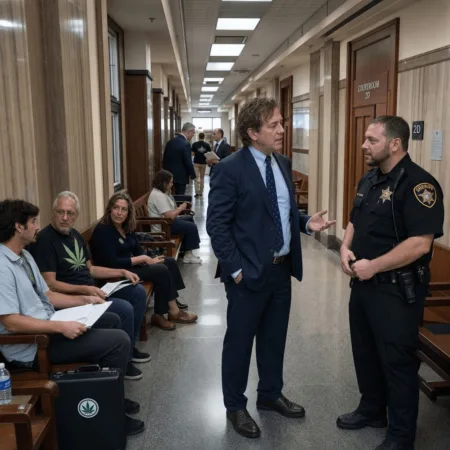
Snohomish marijuana shop ban: What’s next for local businesses?
The topic of the Snohomish marijuana shop ban is heating up for businesses, cannabis advocates, and everyday residents. With shifting state regulations, evolving industry standards, and increasing demand for more inclusive policies, everyone has an opinion. The city’s ongoing debate is back in the news, stirring new conversations about how these rules are shaping Snohomish’s economic landscape. As nearby towns catch a green wave, the question remains: will Snohomish embrace change, or double down on its restrictive approach? In this article, we’ll break down the key issues, recent developments, and future possibilities—all through the lens of the ongoing Snohomish marijuana shop ban.
Understanding the Regulatory & Community Context of the Snohomish Marijuana Shop Ban
To grasp the situation, it’s key to understand Snohomish’s unique stance within Washington State’s evolving cannabis landscape. Since Washington voters legalized recreational cannabis in 2012 (Washington State Liquor and Cannabis Board), most cities have slowly adapted their local laws. However, Snohomish has maintained a firm ban on retail cannabis storefronts within city limits, even as neighboring towns embrace the legal market. This approach reflects a tension between state policy and local control, and draws attention to the ongoing conversation about community safety and property values—discussions that are now happening all over the country as measured cannabis reform has spread across diverse regions including the Midwest, as shown by recent polls reflecting shifting attitudes in states like Kansas about marijuana legalization. Meanwhile, longtime residents and community group meetings show a split: some fear increased traffic and crime, while others crave the economic stimulus and job creation seen in nearby Monroe or Everett. According to a Seattle Times deep-dive on Washington’s cannabis patchwork, towns that lift bans often see measurable tax benefits. But Snohomish’s cautious attitude persists, keeping the Snohomish marijuana shop ban front-and-center in local debates.
Key Developments: City Council Moves, Business Responses, and What’s at Stake
Recently, the Snohomish marijuana shop ban entered a new phase as the City Council announced plans to study the impact of its current policy. As reported by Snohomish Tribune on December 3, 2025, local officials voted to commission a comprehensive review of the ban. The goal was to evaluate its effect on city revenue, business opportunities, public health, and community attitudes, as well as to compare with other cities managing similar issues like the evolving Oceanside medical marijuana regulations bringing fresh insights into the conversation. This marks the first formal review since the restriction was enacted in 2016, prompted by pressure from new business owners and state-level policy changes. Several established entrepreneurs, including historic downtown retailers and a group of industry hopefuls under “SnoCo Canna Collective,” testified that the current ban is stifling commercial potential and sending cannabis dollars to towns just minutes away. Meanwhile, police officials presented recent data showing no significant increase in cannabis-related violations coming from legal markets in neighboring cities, according to updated KOMO News reports. Nonetheless, the city’s careful reevaluation is a pivotal moment for Snohomish’s future.
Expert Analysis, Social Impact, and Industry Insights
The stakes of the Snohomish marijuana shop ban go beyond simple economics, influencing not just the tax base and public safety environment but also the broader culture of the region. Industry analysts have pointed out that cities with retail bans risk losing not only tax revenue, but also a seat at the table in future cannabis policy debates. As highlighted by Leafly, Washington towns with an open marketplace have averaged millions in new tax dollars over the last five years. “Communities that embrace smart cannabis policy typically see increased funding for schools, infrastructure, and public services,” notes David Rheins, founder of the Cannabis Business Alliance. “The sky hasn’t fallen, and even smaller towns are discovering that responsible operators excel when given a chance” (Cannabis Business Times). Expanding the lens to national impacts, recent analyses of how cannabis tax revenue shapes communities reinforce the real-world outcomes being debated in Snohomish and beyond. When bans persist, commerce often moves underground or shifts to nearby cities, undermining the very goals local leaders hope to protect.
What’s Next? Snohomish’s Future, Industry Momentum, & Community Hope
With the City Council’s newly commissioned review, the Snohomish marijuana shop ban faces its biggest re-evaluation in years. Residents, business leaders, and public safety officials have a rare opportunity to reconsider an approach that hasn’t been updated for nearly a decade. The broader cannabis industry is moving toward normalization and regulatory improvement, a trend echoed by the National Organization for the Reform of Marijuana Laws (NORML) and recent shifts in state law. Snohomish stands at a crossroads: it can remain on the sidelines or evolve with public opinion and economic potential. While the debate continues, one thing is clear—the story of the Snohomish marijuana shop ban is far from over. This period of reflection could open doors for smarter, safer, and more inclusive local policy. If the city leans into best practices and transparent community discussion, there’s hope Snohomish could eventually join the green rush in a way that preserves its small-town feel while benefiting from a modern, responsible cannabis sector.
Originally reported by: snoho.com