



US hemp product ban: What’s changing and why it matters
Lately, the US hemp game has flipped faster than a hot knife through cannabutter. With the new US hemp product ban rolling out, consumers, patients, and brands are scrambling to figure out what comes next. This ban isn’t just about changing shelves at your local shop—it’s a seismic shift that will shake up everything from daily supplements to social stigma. If you’re wondering why the buzz won’t die down, it’s because millions rely on these products for wellness, pain relief, and more. Stay tuned for a deep dive into the regulations, who’s impacted, and what the future holds for hemp in America.
Changing Laws and a Shifting Market: The Story Behind the US Hemp Product Ban
The story behind the US hemp product ban is tangled up in years of evolving state and federal policies, social anxieties, and explosive market growth. After the 2018 Farm Bill cracked open legal hemp, the CBD and alternative cannabinoid market exploded almost overnight. Brands like Charlotte’s Web and Green Roads moved from backroom botanists to major players, as Forbes reported. But with popularity came problems, including inconsistent product quality, patchwork regulations, and some pretty wild claims. The FDA and states scrambled to catch up, especially as concerns grew around products containing intoxicating compounds like Delta-8 and Delta-10 THC, derived from legal hemp but producing similar highs to cannabis. This mirrors ongoing regulation struggles in certain states, such as what growers have experienced with recent marijuana rules updates in Iron Mountain where new policies are shaping both compliance and opportunity. According to FDA policy updates, up until now, the laws were hazy, leaving loopholes for manufacturers to exploit. Social acceptance soared while legal risks quietly multiplied. Now, lawmakers claim the new ban is a push for consumer safety, but critics see it as an overcorrection fueled by political pressure and outdated cannabis stigma.
New Rules, Big Reactions: Key Developments & Issues with the US Hemp Product Ban
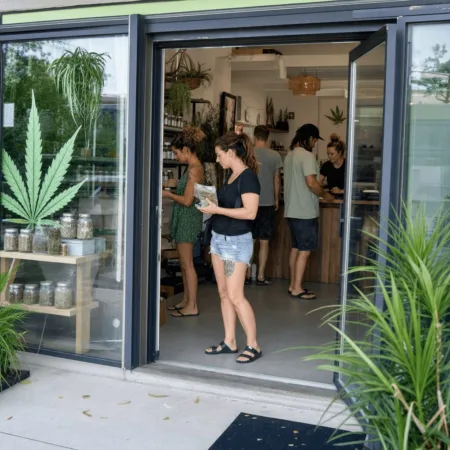
The US hemp product ban went from rumor to reality in December 2025, sending shockwaves through the industry. According to The Guardian’s recent coverage, this move bans the sale and distribution of a sweeping range of consumable hemp products, including CBD oils, vapes, edibles, and even topicals containing trace THC. Businesses like CV Sciences and popular convenience store chains were forced to strip shelves overnight. On December 3, 2025, the US Food and Drug Administration (FDA) cited concerns about unregulated potency, misleading medical claims, and evidence of youth access to intoxicating hemp-derived cannabinoids. State regulators quickly responded, with places like Oregon and New York issuing cease-and-desist orders. The USDA’s controversy-ridden 2023 crop report highlighted just how far the market had outpaced oversight. These rapid shifts are also reminiscent of how local shop bans have impacted businesses and residents, much as seen in Snohomish, where policy changes stir confusion. Meanwhile, advocacy groups sounded alarms over rising confusion among consumers and a spike in gray-market activity as legitimate businesses scrambled for clarity. Industry insiders, quoted by The Guardian, warned this would force small businesses to close, lead to job losses, and push patients back to the illicit market just when safe, legal options seemed within reach.
What It All Means: Expert Analysis, Insights, and Pro-Cannabis Counterpoints
This US hemp product ban is more than just a regulatory hiccup, it’s a macro signal of where cannabis still clashes with American politics and old-school values. As NORML’s deputy director Paul Armentano said (NORML), “Prohibition never works as intended, it only creates new criminal markets and drives patients underground.” On the ground, retailers fear the ban unfairly lumps non-intoxicating CBD and wellness products in with unregulated Delta-8, despite their track records. The US hemp product ban also highlights a classic American policy paradox: a legal industry is booming, while lawmakers crack down on technicalities instead of fixing the system. According to Marijuana Business Daily, operators are stunned that after years of compliance investment and testing, they’re facing blanket bans rather than collaborative regulation. Looking at the broader regulatory climate, similar regulatory struggles and hopes can be seen in places like Minnesota, where the hemp industry is navigating both promise and growing pains amid regulatory tension. Industry advocates emphasize that expert-backed rules for labeling, testing, and age gating are better than outright bans, delivering safety without sacrificing access.
Looking Ahead: Hemp’s Resilience and the Road to Reform
Despite the US hemp product ban causing plenty of headaches now, don’t count this industry out. With more than half of American adults supporting legal cannabis in some form (Pew Research Center, 2022), political winds will keep shifting. Many industry veterans predict bans like this are temporary setbacks, not the final word. Expect passionate legal pushback, smarter regulations, and new pathways for compliant, trustworthy hemp products—all backed by mounting public demand and scientific research. The journey may get messy, but the endgame looks bright: safer, more reliable products and a thriving space where plant lovers and wellness seekers can share the same table.
Originally reported by: theguardian.com