





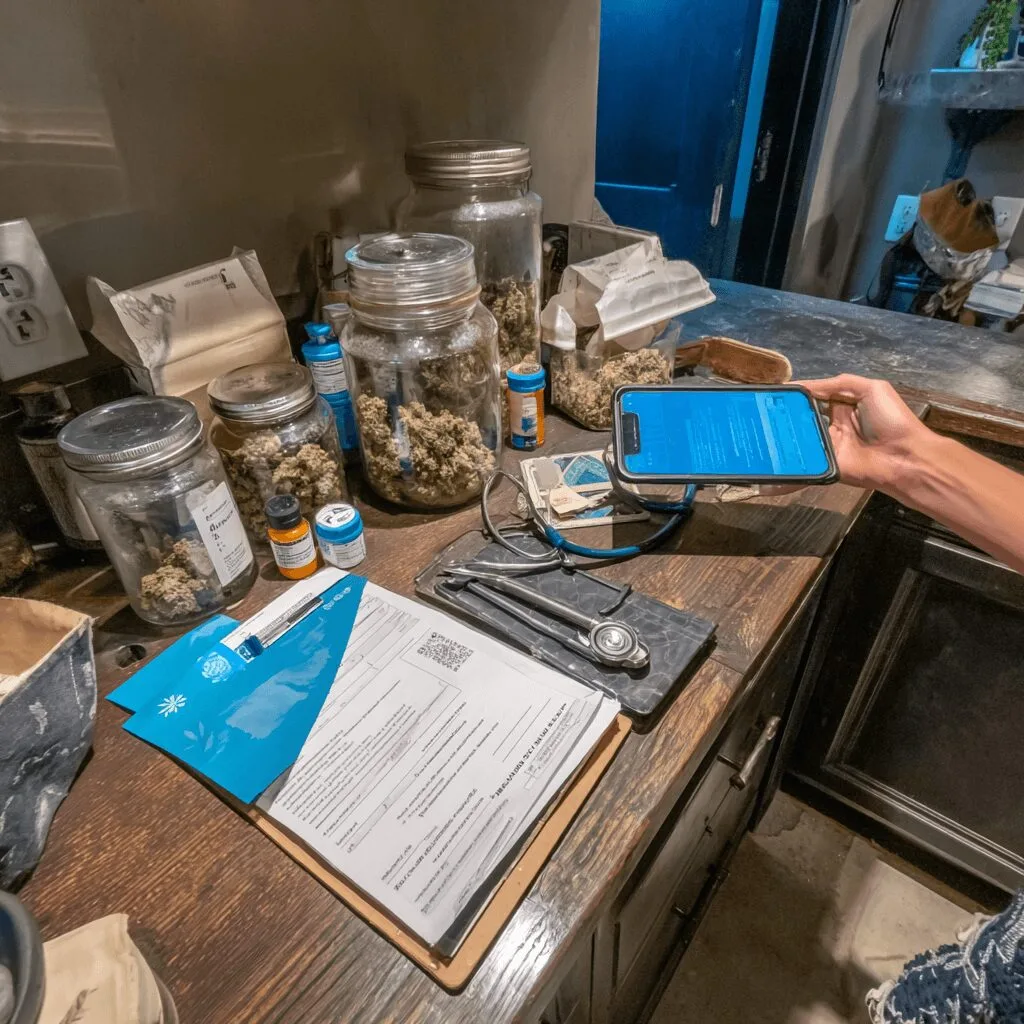
Medical Cannabis Evidence: What the Science Really Reveals
The medical cannabis wave has reshaped health conversations, ignited debate, and sparked curiosity worldwide. Demand is surging, regulations are shifting, and mainstream headlines constantly ask what the medical cannabis evidence really shows. With advocates, skeptics, and regulators all weighing in, we’re peeling back the hype to explore the actual facts. If you care about informed decisions, patient access, and what’s next for medical cannabis, this discussion is squarely in your lane. Let’s separate the facts from the folklore and spotlight why medical cannabis evidence matters so much right now.
What’s Shaping the Medical Cannabis Evidence Debate? Background & Context
Let’s set the stage: Cannabis moves fast, but the science and laws sometimes crawl. In the U.S., weed sits in legal limbo. The federal government still classifies cannabis as a Schedule I drug, in the same group as heroin, according to the Drug Enforcement Administration. That’s despite 38 states blazing their own trail with some form of medical cannabis legalization, according to National Conference of State Legislatures. Internationally, countries like Canada, Israel, and Australia run ambitious medical marijuana programs, but global rules are a patchwork at best.
Market pressure is real. The multi-billion dollar medical cannabis industry keeps expanding, but patient groups and clinicians crave rock-solid medical cannabis evidence to guide treatment and advocacy. This push and pull between demand and data forces policymakers, researchers, and your everyday stoner-turned-patient to demand better answers and transparency. Social attitudes are also shifting, with major polls from the Pew Research Center showing most Americans favor medical legalization. But stigma and outdated laws still muddy the waters, making credible medical cannabis evidence all the more valuable. Notably, in communities such as White Earth, emergency events like a recent cannabis facility fire (see community impact) highlight the evolving landscape and urgency for regulation and evidence.
Key Developments & Issues: Where the Medical Cannabis Evidence Falls Short
Now, here’s the big reveal: According to a thorough Newswise feature summarizing peer-reviewed analyses, clear medical cannabis evidence is lacking for most health conditions. The article draws on consensus from top researchers who say, while some benefit exists for chronic pain, epilepsy, and nausea from chemotherapy, the data pool shrinks fast for most other uses.
- The gold-standard clinical trials proving widespread benefit are often missing or too small.
- Conditions touted in the dispensary, like anxiety or sleep disorders, rarely match up with robust evidence.
- Major medical societies, including the American Medical Association, urge more and better-designed research before recommending cannabis for most treatments.
Specifics matter: As of early 2024, Illinois regulators tightened restrictions on which conditions qualify for medical cards due to inconsistent evidence. Meanwhile, states like New York and California continue supporting pilot studies, but admit many gaps remain. In Canada, a Health Canada review found most uses apart from pain and nausea have “low-certainty evidence.” Yet, the social and patient-driven demand keeps outpacing clinical trials, fueling a disconnect across markets and policy tables. For instance, in places such as Kansas, there has been a significant shift in public opinion with increasing support for marijuana legalization (see recent attitude changes across states), adding new dimensions to the call for stronger medical cannabis evidence.
Expert Analysis & Pro-Cannabis Insights: Beyond the Clinical Gaps
Let’s keep it real: decades of prohibition have kneecapped cannabis research, leaving doctors and policymakers half-blind. It’s not a matter of whether medical cannabis evidence exists, but if the system ever let the best evidence thrive. As noted by leading cannabis scientist Dr. Ethan Russo, “Barriers to research not only slow our understanding, they delay relief for patients who need new options.” (Project CBD).
Here’s what the data does show: Controlled studies confirm real potential, sometimes even life-changing benefit, for folks with severe epilepsy, chronic pain, and debilitating nausea. Still, skeptics highlight an uncomfortable truth, stories from the cannabis community don’t always equal proof. But they’re not just smoke, either. Credible case reports, promising pilot studies, and growing registries all push the field forward, especially as restrictions begin to ease in countries like Germany and Australia (Australian Department of Health). The economic impact of cannabis and broader shifts in regulatory policy—such as Australia’s recent GDP growth marking changes for both rates and the cannabis sector (learn how changing markets affect policy)—continue to shape how medical cannabis evidence is collected and debated.
As many industry insiders see it, trustworthy medical cannabis evidence must be built on clinical honesty and real-world outcomes, not just double-blind trials. This is a young science with deep roots, so we balance the optimism with patient safety, transparency, and fierce advocacy for destigmatization. In the words of longtime advocate Steve DeAngelo, “We’re not just fighting for access, but for the scientific freedom to know the plant’s truth.” (Steve DeAngelo).
Future Outlook & Conclusion: The Next Chapter for Medical Cannabis Evidence
The quest for solid medical cannabis evidence is just heating up. As more states and nations relax laws, scientific trailblazers finally have the green light (and funding) to catch up with public demand. Major facilities like UC San Diego and Canada’s government labs are ramping up real-world trials—promising better answers for doctors, patients, and policymakers alike.
No one can ignore that the medical cannabis movement is moving mainstream. Patients are more empowered, evidence standards are rising, and the days of relying only on anecdote are fading. Expect dramatic leaps in knowledge, improved oversight, and global policy harmonization as science catches up with the social reality. So, stay tuned: the next wave of medical cannabis evidence may transform both healthcare and social justice. According to industry reports, the market’s only getting stronger, and so is the call for better, fairer cannabis science.
Originally reported by: newswise.com



1 Comment
Pingback: Marijuana ETF Legalization: How Court Ruling Could Fuel Growth