


Grain Valley Marijuana Dispensary: Discover What’s Coming
Ready for the next wave in Missouri’s cannabis culture? The buzz is real as Grain Valley prepares to welcome its first legal cannabis shop. With the Grain Valley marijuana dispensary set to make its debut—and local debates heating up—it’s impossible to ignore the winds of change blowing through the state’s cannabis scene. If you’ve wondered about shifting public opinions, business opportunities, or the regulatory hurdles facing small towns, now’s the moment to tune in. In this deep dive, we’ll explore why a Grain Valley marijuana dispensary matters right now, break down the key happenings, and look ahead to what’s next for the community and the industry at large.
The Regulatory, Social, and Market Context of Missouri Cannabis
Missouri’s cannabis market has quickly transformed since voters overwhelmingly approved medical marijuana legalization in 2018 (Missouri Business Alert). This paved the way for retail dispensaries—from St. Louis to Kansas City—to become fixtures in Missouri culture. State regulations, under the Department of Health and Senior Services (MO DHSS), set strict standards on licensing, operations, and community input. Yet, not every Missouri town has leapt at the chance to host these businesses. Many, including Grain Valley, have weighed economic potential against concerns like zoning, security, and social acceptance. Recent statewide trends show rapidly increasing sales and job creation, strengthening the case for communities to embrace legal retail. Still, successful applications hinge on transparency, robust community engagement, and ongoing compliance with Missouri’s evolving marijuana laws (MJBizDaily).
Key Developments: Grain Valley Marijuana Dispensary on the Horizon
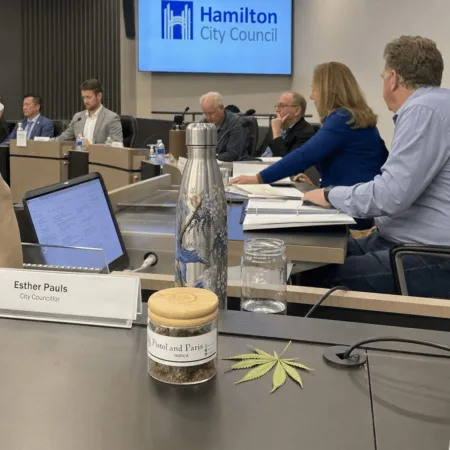
The Grain Valley marijuana dispensary conversation officially kicked off in spring 2024, when city officials confirmed that an application was submitted for the community’s inaugural cannabis retail permit (KSHB News). Local sources report the applicant, Elevated Access, aims to open a storefront near downtown. At a city council meeting, stakeholders voiced both excitement and concern about storefront proximity to schools and churches. The proposed site falls under the jurisdiction of Missouri’s 2023 legal amendments, requiring dispensaries to be at least 1,000 feet from major youth-oriented facilities.
According to council minutes, the city planning commission is tasked with evaluating zoning adjustments to meet these legal requirements. Meanwhile, business leaders emphasized the projected tax revenues and economic development, referencing success stories from nearby towns such as Blue Springs and Lee’s Summit (KMBC News). Public forums have drawn dozens of residents, ranging from enthusiastic future patrons to hesitant parents and teachers. With a final decision expected in the coming months, the Grain Valley marijuana dispensary project rides the crest of statewide growth, reflecting both local optimism and cautious deliberation.
Expert Analysis: Trends, Opportunities, and Community Concerns
Interpreting the developments around the Grain Valley marijuana dispensary requires context. Local opposition and concerns about underage access are common at the start—yet real-world outcomes from other Missouri communities reveal the sky rarely falls. According to Leafly’s community impact report, property values and local safety remain stable following dispensary openings, with youth access actually declining due to strict ID policies and surveillance.
Industry experts point out that small towns like Grain Valley benefit from job creation, increased local revenue, and new economic life in underutilized commercial zones. As John Payne, Missouri cannabis advocate and campaign manager for the 2022 legalization initiative, told Marijuana Moment: “Bringing legal cannabis out of the shadows gives communities new revenue and reduces illegal market activity—plus, everyone can finally talk about it openly.” This candor resonates in Grain Valley, where transparency and open forums are helping residents separate myth from reality. The city’s careful approach—combining public debate, legal compliance, and fiscal analysis—follows best practices identified by organizations like the National Organization for the Reform of Marijuana Laws (NORML).
Missouri’s broader cannabis surge—over $1.3 billion in annual sales, according to MJBizDaily—has created opportunities for small business owners and legitimized an industry previously relegated to the margins. Grain Valley’s deliberate process is proof that responsible cannabis development can fit seamlessly with community values.
Looking Ahead: The Future of Cannabis in Grain Valley and Beyond
With the Grain Valley marijuana dispensary decision looming, the town stands at the edge of a cultural and economic evolution. Missouri’s overall acceptance of cannabis retail grows stronger every year, as seen in the rapid expansion of licensed shops and public education efforts (Cannabis Business Times). Adopting a measured, community-first approach, Grain Valley highlights how towns can harmonize new industries with longstanding community values.
If approved, the Grain Valley marijuana dispensary will offer more than products—it will anchor a conversation on health, safety, and innovation. Residents, entrepreneurs, and civic leaders can all look forward to greater economic inclusivity and the normalization of responsible, legal cannabis use. For consumers, it’s a chance to enjoy safe access in their own backyard. For advocates and policymakers, it’s another victory on the path toward smarter, evidence-based cannabis regulation. One thing’s for sure: Missouri’s cannabis story is just getting started, and Grain Valley’s chapter is shaping up to be a positive one for all involved.
Originally reported by kshb.com