

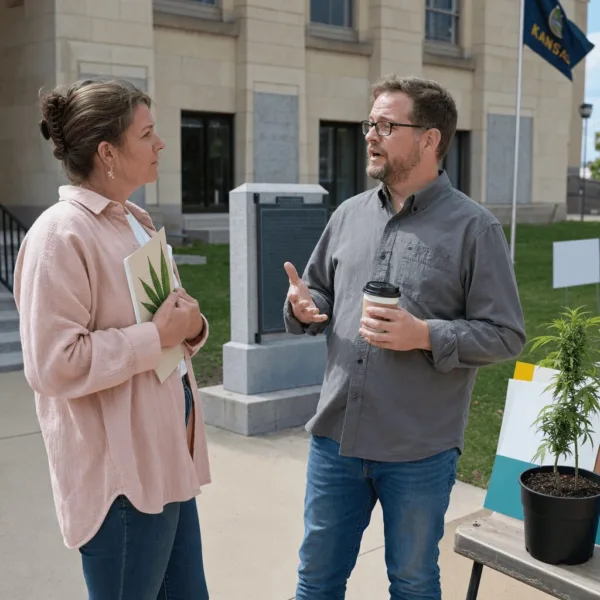




Federal THC Ban Effects: How Will It Change Drinks & Snacks?
In the last year, THC-infused drinks and snacks have exploded across the market, turning heads from lawmakers to craft brewers and snack enthusiasts everywhere. But with federal agencies signaling a possible crackdown, the conversation around federal THC ban effects has reached a fever pitch. As regulators debate the future of these new cannabis treats, entrepreneurs, consumers, and industry insiders are all watching closely. Will your favorite infused seltzer or gummy be gone for good? In this guide, we’ll break down what’s really happening, why it matters, and where things could go next.
The Regulatory and Legal Backdrop: THC, Hemp, and a Decade of Change
The American cannabis landscape is a patchwork, shaped by evolving legislation like the 2018 Farm Bill. This bill essentially legalized hemp-derived cannabinoids with less than 0.3% THC. That tiny loophole created a booming industry for THC-infused snacks and beverages. But not everyone sees this growth as a win. State regulators and the FDA are wary, citing concerns about youth access and unregulated products. Socially, the shift is obvious—more people are curious about edibles than ever, big brands want in, and yet the legal grey zone remains a minefield. According to NORML, even within states that support adult-use cannabis, THC edibles can face separate labeling, sales, and marketing restrictions. Regulatory uncertainty has also sparked debates similar to those seen after the notable cannabis seizure events in various localities, which often ignite local debate and prompt calls for legislative clarity. So when talk of a federal ban ramps up, it’s understandable that everyone—consumers, manufacturers, and even medical advocates—gets nervous.
Key Developments & Issues: What’s Driving the Federal THC Ban Effects
At the heart of the current storm is a move by Congressional lawmakers and federal agencies proposing stricter regulation, or outright prohibition, of delta-9 THC and other hemp-derived cannabinoids in drinks and snacks. According to TimesDaily, some proposed measures could take effect as early as next year if they pass. Companies like Cann, Keef Brands, and Wunder, all popular names in the THC beverage scene, face uncertain futures. Retailers are caught in limbo, especially as states like Minnesota and Illinois have moved ahead with their own rules for edible sales, while the federal government debates. On top of that, Marijuana Moment reports heightened scrutiny over online sales and interstate shipments, a direct response to spiking youth consumption and unclear labeling. The recent move aligns with broader concerns about high-potency products and market risks, much like the ongoing industry conversation captured in discussions analyzing the surge in THC addiction and the dangers of today’s more potent cannabis offerings. Most recently in May 2024, a coalition of public health groups submitted official testimony asking Congress for “unified national standards or outright prohibition” for hemp-derived THC products. It’s not just talk anymore, actual policy proposals are on the table. The FDA has already issued several warning letters to top edible brands for mislabeling and unverified health claims.
Expert Analysis & Insights: Reading Between the Lines
With all this legal drama, let’s cut through the haze and look at what this means for the wider cannabis world. The truth is, federal THC ban effects are complicated. On one hand, enforcement could create a chilling effect on innovation. On the other, it might create new opportunities for those who wait for the dust to settle and regulations to clarify. As Leafly reports, “there’s always a push-and-pull between lawmakers trying to regulate public health and the cannabis community advocating for consumer rights and safe access.” In the words of noted cannabis lobbyist Chloe Patel, “A rushed federal ban would hurt responsible makers and push consumers toward unregulated channels, the opposite of what we all want.” At the same time, it’s worth noting that some states are already leading with sensible regulations, demonstrating that balance is possible. The broader context involves not only regulatory compliance but also the health and safety risks associated with cannabis use, such as awareness about cannabis hyperemesis syndrome and other potential side effects. Thought-leader John Hudak of the Brookings Institution stresses that federal THC ban effects need to be considered in “the broader context of adult choice, harm reduction, and equity in an evolving marketplace.” You have to give credit, cannabis entrepreneurs are nothing if not resilient.
Looking Ahead: Progress, Resilience, and Growing Acceptance
So what happens next? As the battle over federal THC ban effects heats up, the industry isn’t backing down. Instead, forward-thinking producers are prepping for regulatory shifts, investing in compliance, and educating both lawmakers and consumers. Whether or not a sweeping ban goes into effect, the move has already proven one thing: demand for safe, legal cannabis products is strong, and Americans want options. According to a Pew Research Center survey, over 88% of adults support some form of legal cannabis access. The story is far from over—every regulatory shake-up in cannabis history has fueled evolution, not extinction. Expect more vigorous policy debates, smarter product standards, and a cannabis culture that only grows from here. If you’re a fan of infused drinks or snacks, stay tuned: this scene might look different, but it isn’t disappearing anytime soon.
Originally reported by: timesdaily.com


1 Comment
Pingback: Wisconsin hemp THC legislation: What You Need to Know Now