

Psychedelics and Spirituality: Unlocking an Inclusive Path
Let’s be real: the worlds of psychedelics and spirituality are crossing streams right now—and it isn’t just for the blissed-out yogis and hippie festivals anymore. With mainstream media buzzing over therapeutic use and law reform, the debate over who gets to define spirituality is hotter than a dab rig at 420. As society reconsiders the role of altered states—especially with psychedelics and spirituality—something big is brewing: the chance to unlock a path that’s truly inclusive of everyone’s experiences. Today we’ll break down why this cultural shift matters, what’s changing, and how cannabis fits right in.
Background: Regulation and Social Shifts Around Psychedelics and Spirituality
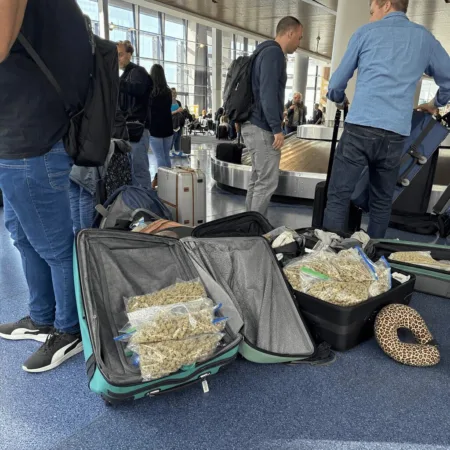
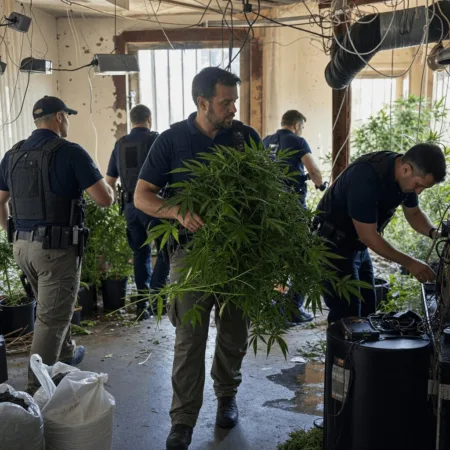
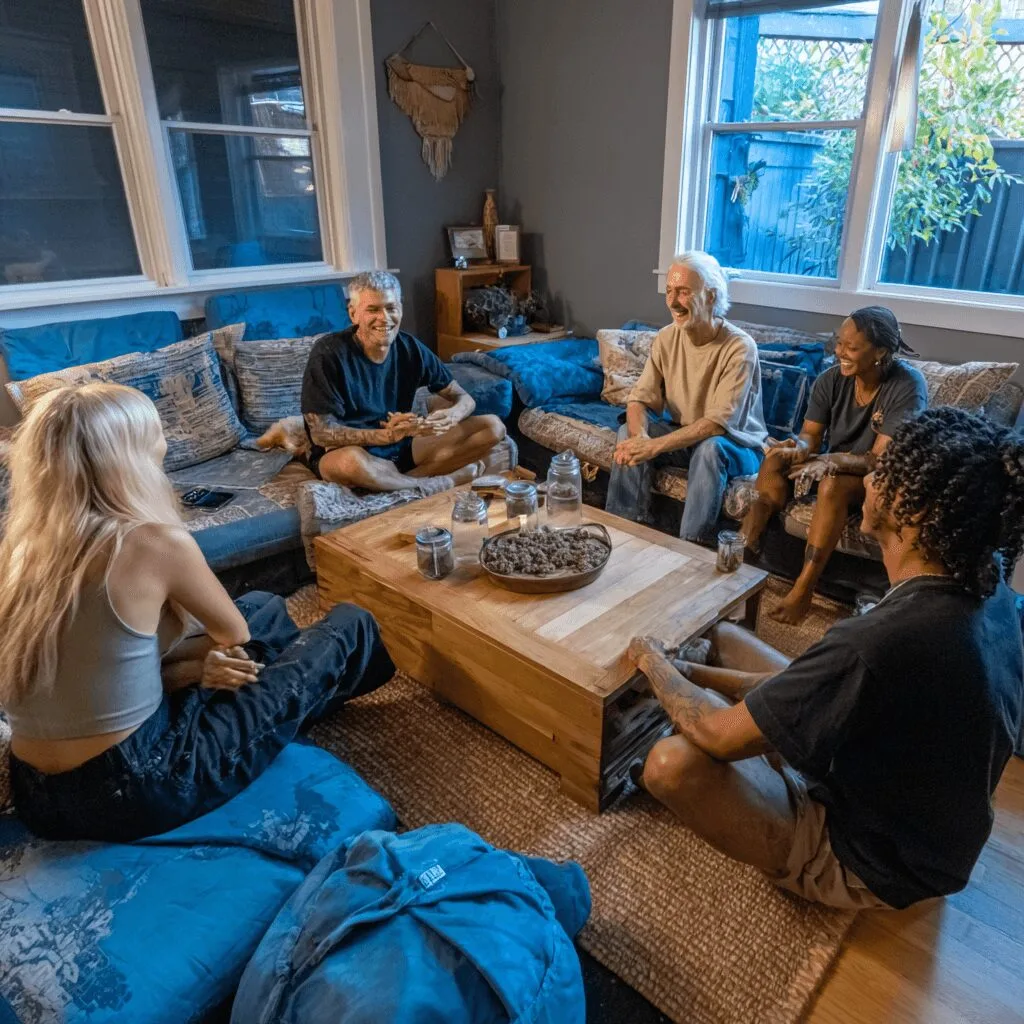
The push for acceptance of psychedelics and spirituality doesn’t come from nowhere. In the past decade, researchers at institutions like Johns Hopkins have rekindled scientific and legal conversations about the benefits, as well as risks, of combining mind-altering substances with spiritual practices. Simultaneously, legislative progress in places like Oregon and Colorado is shaking up the once-clear divide between religious practice and medicine (see Oregon.gov). Recent legal cases, such as those involving Native American peyote traditions, highlight the need for truly inclusive approaches to spirituality that honor both tradition and personal discovery. Meanwhile, the cannabis industry is seeing a mainstreaming of its own, with states from Illinois to New York updating regulations (according to NORML), and advocates pushing for less stigma and more authenticity in how these substances intersect with everyday life and personal beliefs. Cannabis lounges and faith-based groups are popping up, signaling an evolution in how our society understands altered states, not just as medical or recreational, but as legitimate tools for connection, growth, and healing. In some regions, law enforcement actions continue to spark local debate about cannabis, such as when major cannabis seizures lead to public controversy and community discussions, which shows how intertwined policy shifts are with public perception.
Key Developments: New Models of Spiritual Inclusion with Psychedelics and Spirituality
On November 29, 2025, Harvard Law’s Petrie-Flom Center published a groundbreaking piece (see Harvard Law Petrie-Flom Center) exploring Darsana, a fresh framework for spiritual inclusivity. Darsana rejects the notion that psychedelics and spirituality belong only to established religions or ancient traditions and instead pushes for new, modern ways to recognize personal mystical experiences. The article critiques historical exclusion, especially of BIPOC, LGBTQ+, and non-traditional believers, from state-sanctioned definitions of spirituality. Notably, it dives into regulatory issues, such as how the DEA’s current policies limit who can legally use psychedelics in spiritual settings. Recent developments, like emerging research on cannabis-related health risks, keep both advocates and policymakers attuned to challenges as people learn about conditions like cannabis hyperemesis syndrome and evolving safety risks. As a result, many people still find themselves outside the legal or cultural mainstream when it comes to accessing both community and safe, meaningful experiences. The piece doesn’t shy away from real talk: despite all the buzz, actual legal access to psychedelic spirituality often remains out of reach for the people who pioneered these practices. It emphasizes the need for reforms that go beyond surface-level diversity, calling for genuine representation and regulatory fairness in both law and culture.
Expert Analysis: Cannabis, Inclusion, and the Future of Psychedelics and Spirituality
So what does this really mean for the cannabis community and everyone interested in psychedelics and spirituality? From my perspective as a longtime cannabis industry insider, the movement toward inclusivity isn’t just hype, it’s a must. As DoubleBlind Magazine puts it, “When we talk about access, it has to be about more than product, it’s about participation, representation, and respect.” The parallels between mainstreaming cannabis and the changing views on psychedelics and spirituality are striking. Cannabis wasn’t legitimized by science alone but by a groundswell of grassroots advocates who demanded equitable, human-centered approaches. Today, high-profile therapists and facilitators are working to ensure no one is left on the outside looking in, whether that’s due to religion, race, or income. Major research publications, such as findings from MAPS, indicate that safe, supportive use of these substances can help foster true community, if we listen as much as we legislate. And it’s essential to recognize that increasing access also raises legitimate debates about public safety and health, which has been apparent with concerns rising over high-potency products as some reports have highlighted growing worries about THC addiction and potent cannabis strains. And let’s not forget, when spirituality becomes more inclusive, it brings us closer to the dream: a society where well-being comes in more than just one flavor.
Future Outlook: Psychedelics and Spirituality Pointing Toward a Welcoming Tomorrow
The outlook for psychedelics and spirituality is brighter than a sunlit smoke sesh by the window. As laws evolve and social attitudes mellow (sometimes with the help of mellowing agents), more people will find acceptance for their unique paths. The growth in inclusive frameworks—like Darsana—shows regulators, advocates, and communities genuinely want to widen the circle. That culture shift, fueled by ongoing research and policy evolution (see Leafly’s coverage), promises a future where cannabis and psychedelics are seen as tools—not taboos—for exploring the sacred in everyday life. As cannabis industry experts often remind us, this movement isn’t about replacing established tradition—it’s about growing a new one, together.
Originally reported by: petrieflom.law.harvard.edu