

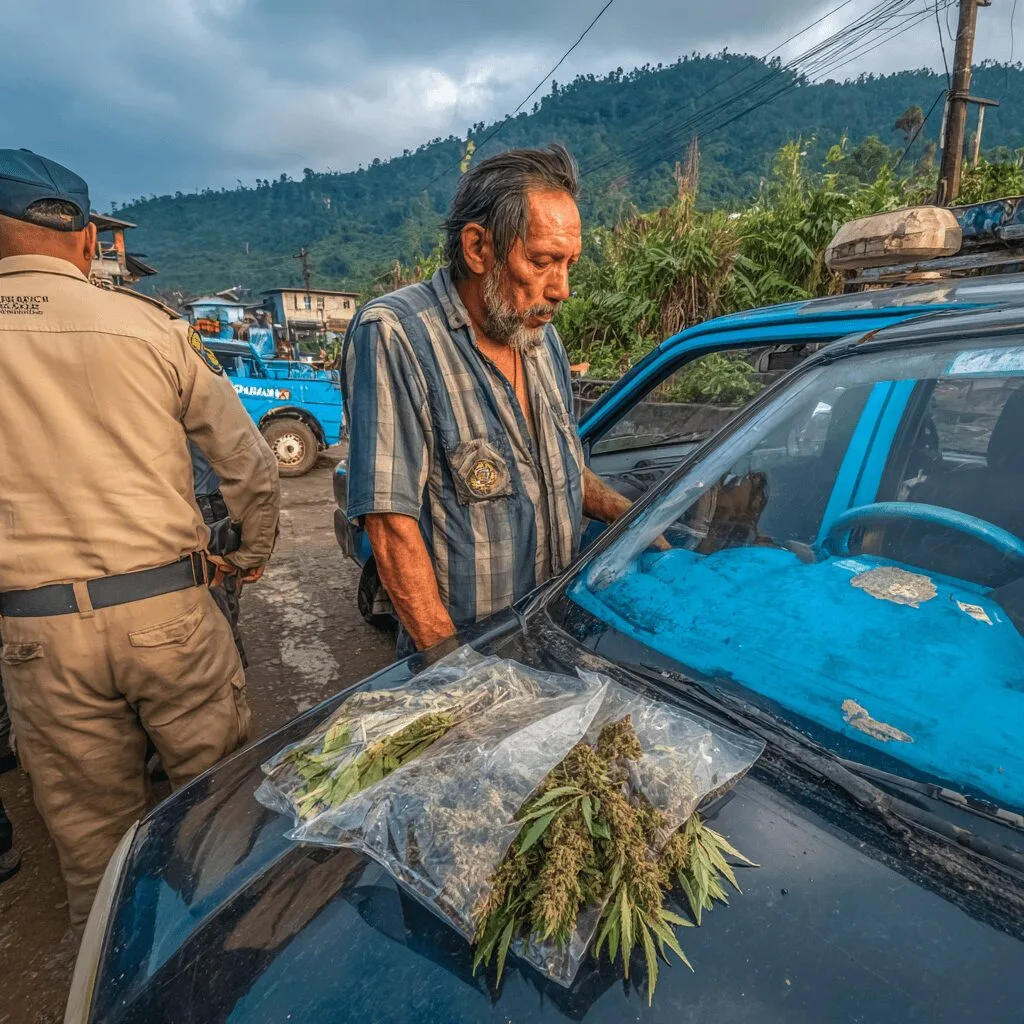
Cannabis Seizure Itanagar: Major Arrest Stuns Locals
The cannabis scene is shifting, and the latest cannabis seizure Itanagar puts those changes front and center. Right now, pressure is high in India around cannabis laws. This new arrest, documented near Itanagar, brings together local tension, national headlines, and serious industry debate. If you care about evolving cannabis regulations—or just about what’s real on the ground—this is a story you should not miss. We’ll break down what happened, why it matters, and the bigger picture for cannabis dreamers and reformers alike.
Understanding the Landscape: Background & Context
The cannabis seizure Itanagar is dropping in a complex legal context. India’s Narcotic Drugs and Psychotropic Substances (NDPS) Act has long made cannabis cultivation, sale, and possession illegal, with specific exceptions for state-regulated bhang. Enforcement varies from region to region, according to Brookings Institution, creating tension between local tradition and central law. Arunachal Pradesh, where Itanagar sits, has seen periodic crackdowns, but real demand and cultural use remain. This region’s proximity to rural cultivation areas, some with indigenous uses for cannabis, makes enforcement especially challenging. Reports indicating the economic allure of the cannabis industry globally are driving new debates, as seen in recent market volatility and optimism for similar sectors abroad. However, the regulatory stance remains deeply conservative. Social attitudes, while evolving, are still marked by caution and, at times, outright stigma, especially in rural and semi-urban settings like Itanagar.
The Bust: Key Developments & Issues
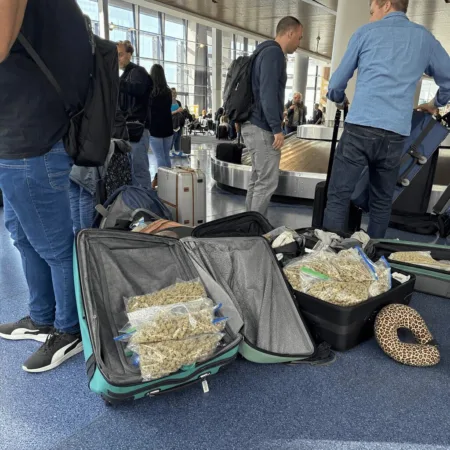
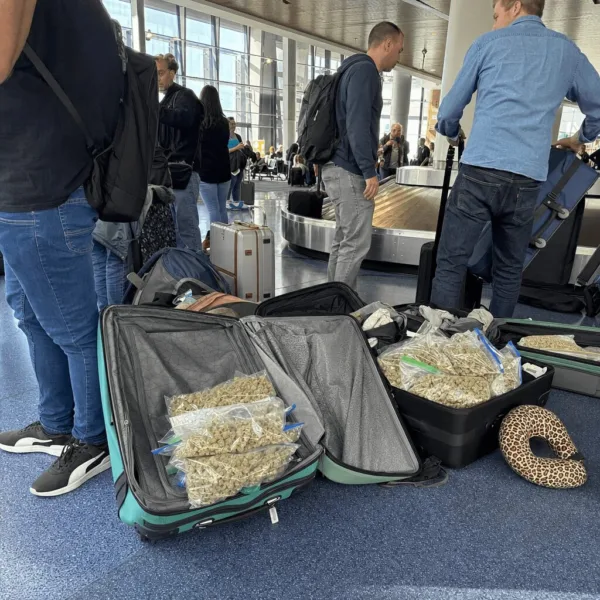
Let’s get into the nitty-gritty of the cannabis seizure Itanagar shook up recently. On a quiet stretch outside Itanagar, Arunachal Pradesh police stopped a middle-aged man, uncovering 2.2 kg of fresh cannabis. The bust, as reported by PTI News, included clear evidence: visible cannabis buds and leaves bagged and tagged. Officers acted following a tip, and quickly apprehended the individual who now faces prosecution under the NDPS Act. The event lit up local gossip and online chatter, stunning locals who are used to seeing cannabis in the hills but not in headlines. For communities already wary of cannabis-related disruptions, concerns are increasing as cases emerge elsewhere, such as recent youth drug arrests sparking national debate. The visible, public nature of this arrest shows changing enforcement priorities and a clear intent to send a message. Locals told journalists the scene felt surreal, partly because such seizures, while not unheard of, rarely go this public. The story, making national news, has become shorthand for deep tensions between the law, tradition, and shifting expectations about cannabis in India.
Expert Analysis, Realities & Pro-Cannabis Counterpoints
It’s easy to see why the cannabis seizure Itanagar matters far beyond local headlines. First, it’s another sign of a system in flux, where old school law enforcement meets new world cannabis culture. Election years, global trade, and social shifts all play a role here. Experts at Leafly note how India’s patchwork enforcement often hurts rural cultivators most while missing chances for economic revitalization. Parvati Sharma, a respected cannabis industry commentator, observes, “These crackdowns rarely address underlying demand or cultural significance, instead, they criminalize economic realities and put local livelihoods at risk.” (As quoted in Business Standard.) On a broader social level, some users face unexpected medical side effects, a reality that has gained attention in medical research linking cannabis use to uncommon risks such as severe nausea syndromes in frequent users. Nationally, the market is ready for reform: medical research, economic reports, and international models all show regulated cannabis can be safe, lucrative, and socially beneficial. Itanagar’s bust reflects the costs of ignoring those facts and the risks to people on the ground. Meanwhile, public dialogue remains divided between those seeing cannabis as a harmful narcotic and those prioritizing personal freedoms, tradition, and the plant’s economic potential.
Future Outlook & Conclusion
What does the cannabis seizure Itanagar tell us about tomorrow? If anything, it’s that change is coming, slow but steady. As lawmakers debate and the cannabis industry grows worldwide, India will keep wrestling with its own contradictions and opportunities. The growth of legal cannabis in markets like Canada and parts of the US (see National Institutes of Health) is already shaping new conversations on regulation and harm reduction back home. Over time, more Indian states may recognize the value in reform, whether for economics, medicine, or social justice. For now, each cannabis seizure Itanagar keeps the spotlight on what’s broken—and what’s possible. As social attitudes realign, and as local communities and advocates push for sensible change, the hope is that future headlines will celebrate smart regulation, not just loaded handcuffs. The journey is tough, but the momentum is real—and the voice for change is growing stronger every day.
Originally reported by: ptinews.com