



Shocking Fake Urine Truck Arrest: See What Police Discovered
The fake urine truck arrest story has caught fire recently, and not just among seasoned cannabis enthusiasts. With law enforcement getting creative on the highways and new regulations shaping how marijuana is viewed (and tested), this incident at a busy Indiana toll plaza is way more than just a local headline—it’s a snapshot of the evolving collision between tradition, compliance, and shifting cannabis culture. From what was uncovered in that big rig’s cab to why the fake urine truck arrest has everyone talking, let’s break down what happened, what it really means for the cannabis industry, and where we go from here.
Understanding the Background: Cannabis, Compliance, and the Changing Roadmap
If you’ve spent any time around the cannabis industry, or know folks who have, you know that regulation is a constantly moving target. Cannabis is still illegal federally, and federal drug testing mandates keep truckers and other commercial drivers in a tough spot. At the same time, state legalization and reform keep swelling, and NORML reports that over half the states now have some form of legalized cannabis, whether medical or recreational. Even so, legal tension lingers. State-licensed users still risk federal scrutiny or job loss, as seen in sensitive roles like trucking, healthcare, or aviation. While workplace drug screening remains controversial, newly approved rules on medical cannabis regulations continue to shape what compliance means for employers and workers. According to a 1782950671 freight industry analysis, there’s an uptick in truckers using masking agents, fake urine, or detox products to clear hurdles in mandatory workplace drug screens. This gray-market workaround is booming, fueled by job anxiety and uneven enforcement between state-level cannabis laws and federal employer rules. Socially, support for reform is growing, but stigma still clings to cannabis, especially in professions linked to safety and interstate commerce.
Key Details of the Fake Urine Truck Arrest: What Really Went Down?
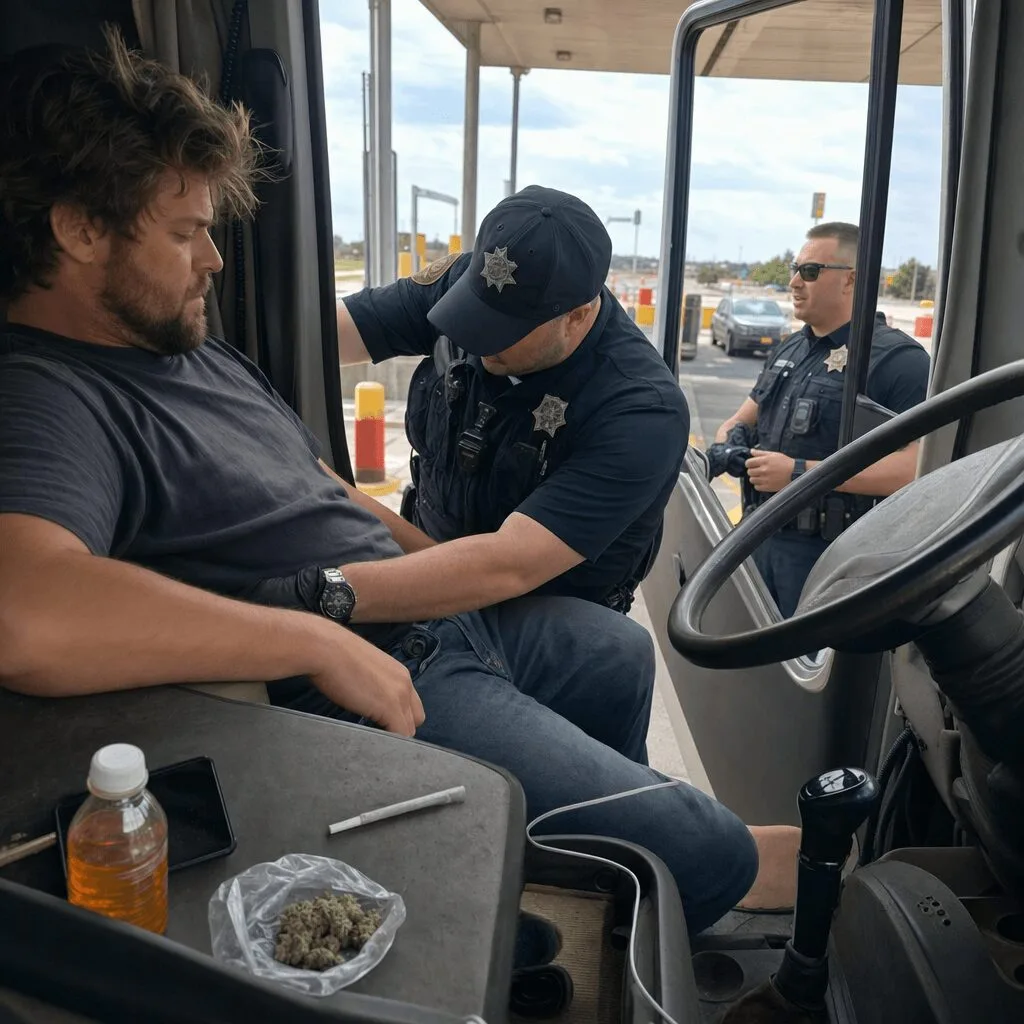
According to WSBT’s full news report, the fake urine truck arrest took place at the Portage Barrier Plaza in Porter County, Indiana earlier this week. Police stopped a semi driver after the driver refused to pay a toll and tried slipping false info to authorities. Inside the cab, officers discovered a telltale bottle suspected of containing synthetic or fake urine, plus a loosely rolled joint and an open pouch with a green leafy substance resembling marijuana. The driver also presented false identification and resisted arrest, according to law enforcement officials cited in the news release. Indiana maintains strict anti-cannabis laws, and the use or possession of fake urine to evade a drug test is a chargeable offense as of the latest 1782950671 legislation. The driver now faces multiple charges: resisting arrest, presenting false information, marijuana possession, and unlawful paraphernalia possession. This type of scenario highlights the ongoing confusion and tension seen in enforcement, drawing parallels to recent events in other states such as Rhode Island’s search warrant mishaps, further demonstrating the current disorder facing cannabis compliance across the US.
Expert Analysis: What This Fake Urine Truck Arrest Says About the Industry
Let’s get real, the fake urine truck arrest is less about criminal masterminds and more about a broken system. Truckers, like many working people, often find themselves caught between state legalization and federal drug-free workplace laws. According to Marijuana Moment, positive workplace cannabis tests for commercial drivers surged by 32% in the past two years. That’s not necessarily because folks are driving impaired, but because THC is detectable well after psychoactive effects have faded. “Drug screening is totally out of step with current science,” says Paul Armentano of NORML. “It’s punishing people for behavior that’s legal in their state, and doesn’t actually measure impairment or public safety risks.” The use of fake urine and detox products, while risky and illegal in some states, is a predictable response to conflicting expectations. At industry level, experts are calling for tests that actually gauge real-time impairment rather than mere cannabis history. The same kind of policy disconnect has been seen in different corners of the cannabis market, with shifts happening in areas like new THC-infused beverages stoking culture change within regulated environments. Until policy catches up with reality, cases like this fake urine truck arrest will keep cropping up, serving as reminders of laws lagging behind social change.
The Road Forward: Real Change Beyond the Fake Urine Truck Arrest Headlines
Incidents like the fake urine truck arrest are wake-up calls—not just for cannabis advocates but for everyone navigating shifting social and legal landscapes. As public support grows (Pew Research reports over 88% support for legalization as of 2024), policymakers face pressure to bridge the gap between legacy regulations and public sentiment. The cannabis industry continues to invest in advocacy, science-based impairment testing, and education. Many foresee a future where cannabis rules mirror real-world use instead of relics of prohibition. If current trends and open dialogue continue, today’s fake urine truck arrest could be an early footnote in a longer story of reform, innovation, and normalization. In the meantime, every headline is a reminder to push for smarter drug laws—and a fairer shake for cannabis users everywhere.
Originally reported by: wsbt.com