




Cannabis Store Proximity Effects: More Use, Less Drinking?
The cannabis industry is evolving fast, with more people noticing subtle shifts in community habits. One emerging conversation centers around cannabis store proximity effects—essentially, how having a local dispensary around the block is changing what (and how) people use. With recent studies adding fuel to the discussion, there’s never been a better time to dive into how storefronts are shaping trends in both cannabis and alcohol consumption. Buckle up, fellow enthusiasts! We’re taking a closer look at what this means for users, neighborhoods, and the broader legal landscape.
Cannabis Store Proximity Effects: Setting the Stage
To truly get the lowdown on cannabis store proximity effects, you’ve got to understand the wild ride of cannabis regulations in the U.S. Since the first recreational sales in Colorado back in 2014 (CNBC), countless states have looked to cash in on the green wave. Each region, though, sets its own rules for where dispensaries can plant roots. Those who favor sensible regulations often cite public health studies and zoning buffers to keep retail locations away from schools or daycares (National Conference of State Legislatures).
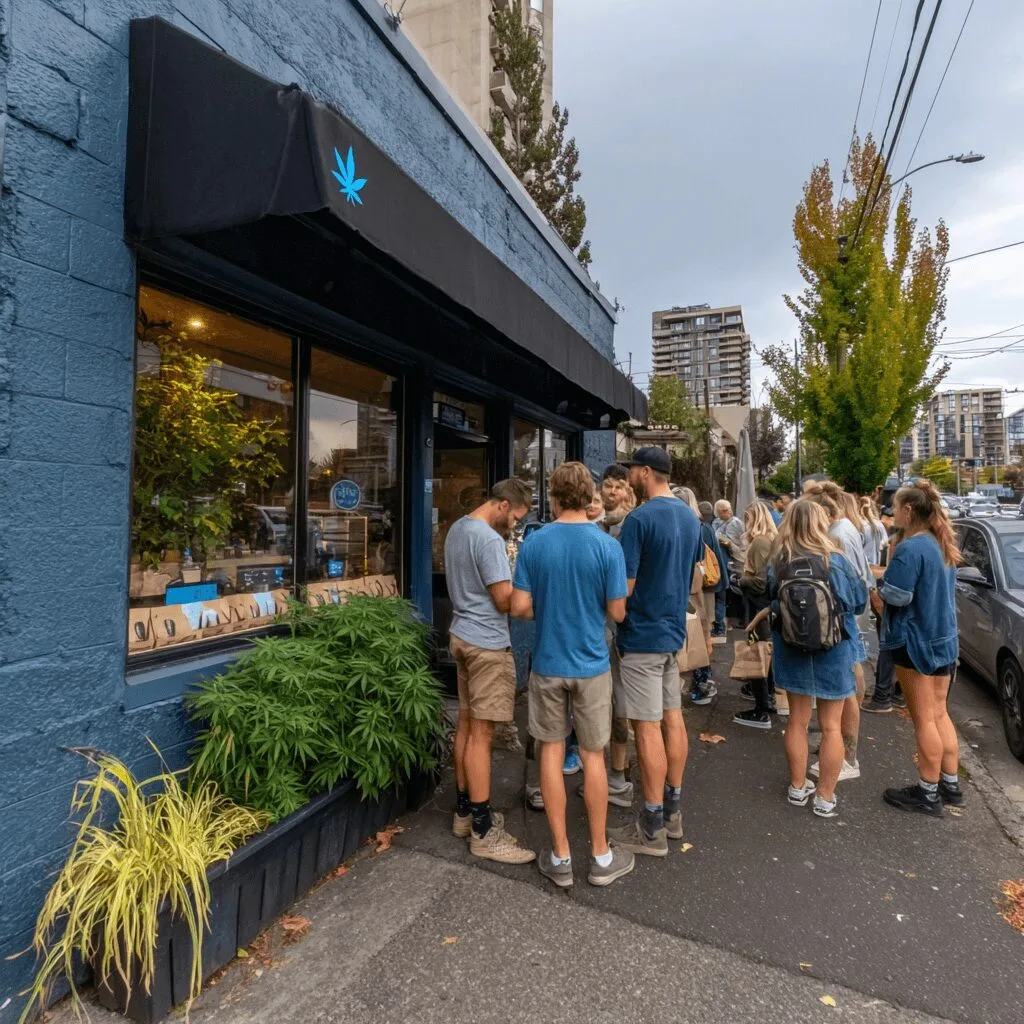
On the cultural side, there’s been an undeniable growth in mainstream acceptance, and urban communities across Oregon, California, and Illinois are seeing tightly clustered cannabis stores pop up, all shaping the way locals interact with the plant and each other. Some cities have seen cannabis culture revitalize their downtown areas, transforming local economies and perceptions. But there’s another twist: As cannabis becomes easier to grab, studies show some folks are reaching less for alcohol and more for their dispensary favorites. That’s the core of the current buzz around cannabis store proximity effects.
Big Findings: The Link Between Storefronts, Cannabis Use, and Alcohol Habits
So what’s the latest? According to a recent study out of Oregon State University (Oregon State University), individuals living near cannabis retail stores are more likely to use cannabis. They’re also less likely to report frequent alcohol consumption. This isn’t just a stoner myth anymore, these are peer-reviewed research results with real policy implications.
Digging into the details, researchers surveyed adults across legal states and zeroed in on neighborhoods with higher retail density. The core finding? Increased access to cannabis shops led directly to a bump in cannabis use and a one-two punch drop in reported binge drinking. Recent moves to restrict alternative cannabinoids such as hemp-derived THC highlight how regulation and retail trends can impact substance use choices. In Oregon specifically, recent data from Oregon Liquor and Cannabis Commission confirm an ongoing rise in legal sales since stores began opening in 2015. As legal access expands, so do the conversations at city councils and planning commissions, many of whom now have research like this front and center when deciding if a new dispensary should join the neighborhood lineup. So, whether you’re team ‘Green’ or just cannabis-curious, these cannabis store proximity effects are reshaping the landscape of both substances.
Expert Analysis: What the Data Says, and What It Means for Users and Communities
If you’re thinking these developments are just hype, think again. According to Dr. William Kerr of the Alcohol Research Group, widely cited in the cannabis research world, “The substitution effect between cannabis and alcohol is finally being observed in real time, thanks to robust local studies and wider retail access” (Alcohol Research Group). This substitution? It might just lead to lower public health risks, at least when it comes to alcohol-related harms.
Let’s break it down. More shops around means cannabis drops in as the go-to choice for some, changing local habits. The evolving market has also provided opportunities for minority ownership in the cannabis industry, further influencing how communities experience these shifts. Many veteran dispensary operators report seeing a rise in health-focused shoppers looking for controlled, legal products instead of hitting the bar for a sixth round.
From an industry perspective, multiple states are tracking the shift. For example, the CDC consistently ranks alcohol among the leading causes of preventable death, while legal cannabis remains regulated and tested for potency. Industry writers at Leafly News have weighed in on the subject, too, noting that responsible dispensary location rules can support public health without fueling outdated stereotypes. The latest insights into cannabis store proximity effects open the door to more informed, balanced choices for communities and users alike.
Looking Ahead: Next Chapters for Cannabis Store Proximity Effects
The journey isn’t over. As cannabis markets mature, expect regulators and communities to keep fine-tuning how they welcome new storefronts. What’s clear? Cannabis store proximity effects are bigger than just one neighborhood—they’re signaling a trend toward safer, more mindful consumption for millions of Americans.
Credible voices like NORML agree: open conversations and local studies can keep the industry moving forward while protecting public health. As we look to the future, count on the cannabis community to stay active—shaping the next chapter where legal access, smart regulations, and informed choices go hand in hand. Here’s to a greener, safer, and more socially accepted tomorrow for cannabis everywhere!
Originally reported by: today.oregonstate.edu



1 Comment
Pingback: Trump medical cannabis decision: What it means for America