


US cannabis oversupply: What’s driving industry chaos?
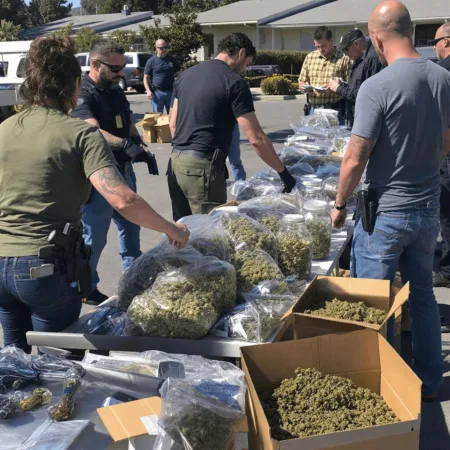
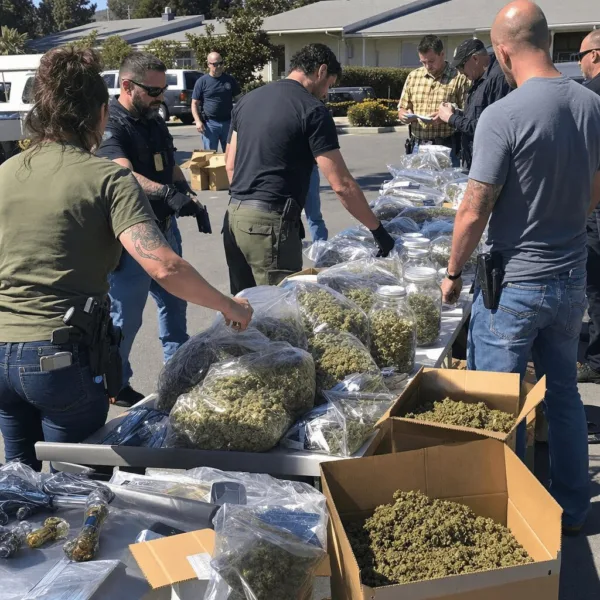
If you’ve been keeping an eye on the headlines lately, you’ve probably noticed talk about the US cannabis oversupply heating up. From coast to coast, the market’s feeling the squeeze—producers are left with mountains of product, prices are in a free fall, and businesses are scrambling to keep the lights on. What’s driving this wild ride? Let’s break down why US cannabis oversupply is dominating the conversation right now, what led us here, and where the industry could be headed next.
How Regulatory Hurdles and Growing Pains Created the US Cannabis Oversupply
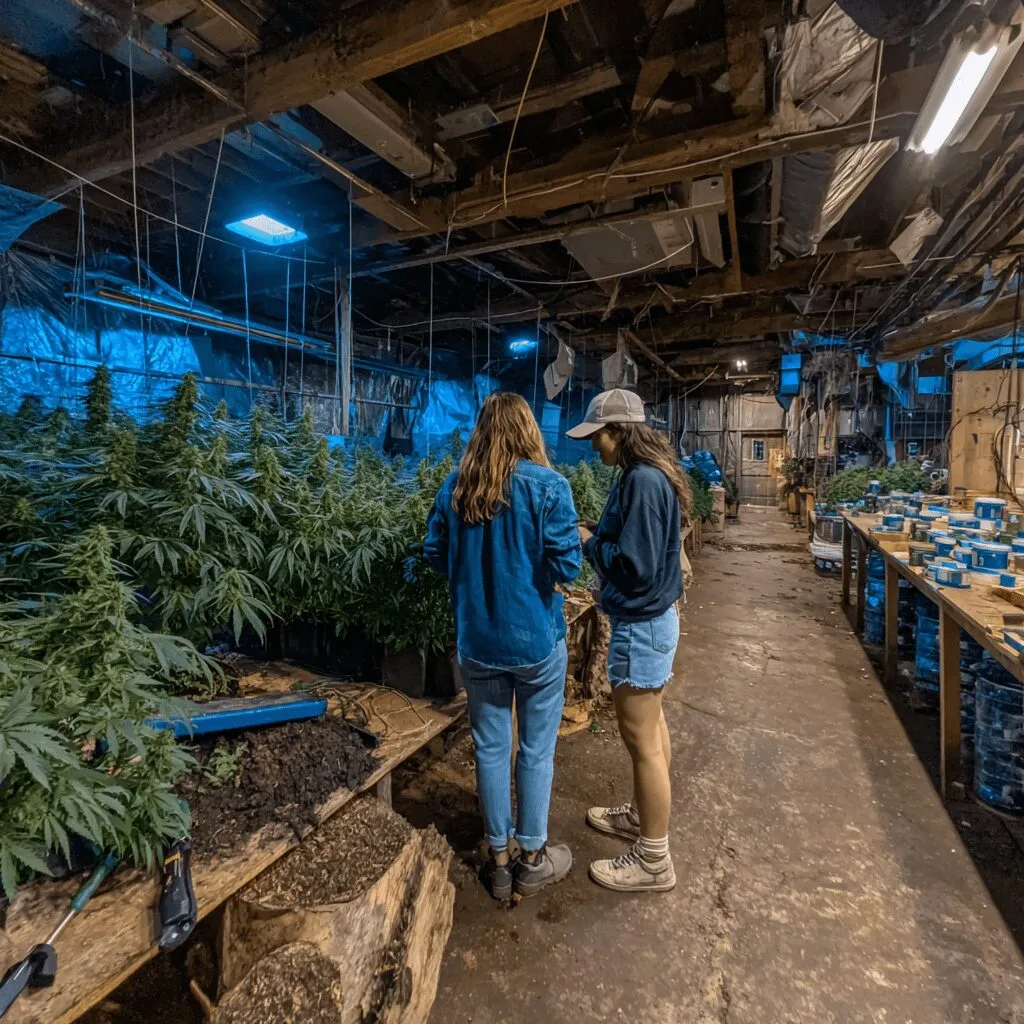
The roots of today’s US cannabis oversupply run deep into the tangle of state and federal laws shaping markets. Regulations vary wildly, with some states like Oregon and California issuing generous cultivation licenses, while others capped production tightly, as explained by MJBizDaily. On top of that, cannabis is still illegal federally, blocking interstate commerce, so legal weed winds up trapped within each state’s borders. This regulatory patchwork has led to complications similar to those seen in states with evolving policies such as Oklahoma, where attempts to shift laws have brought both hope and disappointment, as noted in coverage of legal reform efforts. When producers overshoot demand or can’t sell excess product out-of-state, US cannabis oversupply hits hard and fast. Social changes have also fed this glut. The green rush brought waves of new cultivators, and investors backed massive grow ops hoping for endless demand. But with every new warehouse comes more product, crowded into the same limited market, tipping the scale toward oversupply. Combined with tax pressure, high compliance costs, and a persistent illicit market, this results in the industry’s current volatility.
Key Developments: The Numbers, the Players, and the Fallout
The impact of US cannabis oversupply takes shape in headlines and boardrooms. Reports from Leafly confirm that wholesale prices for legal flower in California plummeted more than 60% in the last two years, leaving many legacy operators barely hanging on. States like Michigan, Massachusetts, and Oregon are experiencing similar price collapses, which are attributed to liberal cultivation licensing. Major companies such as MedMen, Cresco Labs, and Curaleaf have had to slash staff, consolidate operations, or, in some heartbreaking cases, shutter altogether. Even midsize and craft growers got caught in the crunch. According to Forbes, as much as 60% of California’s cultivation capacity was idle in 2023. While some lawsuits are centered on contract disputes, others bring attention to fairness and worker rights similar to recent stories of labor lawsuits among cannabis staff. Meanwhile, regulators in Illinois and elsewhere have been slow to approve new dispensaries, further increasing supply pressure. On the legal front, lawsuits have erupted over license limits, tax rates, and contract breaches—showing how every piece of this puzzle adds fuel to the fire of US cannabis oversupply.
Expert Insights: What Seasoned Pros and Advocates Are Saying
Step inside any cannabis conference or online roundtable, and the topic of US cannabis oversupply is impossible to ignore. But context is everything. According to David Downs of Leafly, “Oversupply is not just the product of error or mismanagement, it’s also growing pains in a maturing industry. Regulatory imbalances and market distortions are pushing prices, but consumer demand is still rising year over year.” Experts who’ve weathered boom-and-bust cycles in other commodities point out that cannabis is following classic market patterns with rapid early growth, overbuilding, and inevitable corrections. Still, there’s significant optimism: Industry watchers at Hemmings observe that brands focused on quality and unique genetics are finding success despite turbulence. The biggest winners, they say, are consumers, who now have better access to top-shelf flower and curated products. Some advocates believe that the current oversupplied environment could actually pave the way for changes in industry ownership, much like ongoing efforts to boost inclusion and equity, as discussed in summits addressing minority ownership and industry innovation. That’s real talk for anyone trying to survive the storm.
The Road Ahead: Evolution, Reform, and Green Shoots
Despite rough patches, there’s plenty of hope in the US cannabis oversupply story. Regulatory reforms are already in the works: legislators in states like New York and Pennsylvania are crafting market caps and social equity programs to balance the playing field, according to findings from NORML. More banking access and federal legalization could finally unlock interstate sales, balancing regional excess and shortages.
Innovation’s also running high—think sun-grown, eco-friendly cultivars, new infusion tech, and strong direct-to-consumer models. Most importantly, social acceptance is booming. The stigma’s fading. Advocacy is up. The industry isn’t just surviving—it’s changing lives and communities. Bottom line: US cannabis oversupply is a bump in the road, not a dead end. With the right reforms and resilient players, green days are ahead.
Originally reported by: mmjdaily.com