


Cannabis Minority Ownership: Summit Unveils Bold Opportunities
The cannabis industry is evolving fast, and discussions around cannabis minority ownership have never been more urgent. Recent events and summits have put a spotlight on economic disparities and social equity. With new state regulations, advocacy efforts, and bold commitments, this conversation is shaping the industry’s future. We’ll break down why this matters right now, highlight the latest updates from the Mid-Atlantic cannabis summit, and explore the pathways opening up for diverse entrepreneurs.
Regulatory Landscape and Social Equity in Cannabis
Cannabis minority ownership has become a central issue due to disparities caused by historic criminalization and exclusion in business access. States with legal cannabis programs increasingly include social equity components, aiming to prioritize those most harmed by the War on Drugs. According to the National Conference of State Legislatures, over a dozen states have equity or diversity licensing. However, despite policy efforts, real-world barriers like access to capital and licensing complexity linger. Activist groups and industry leaders are pushing for fairer processes and true pathways to generational wealth for minorities. At the same time, legal business owners face shifting regulations and continued stigma, prompting urgent calls for reform. For those interested in the broader shift in psychoactive substance policy and culture, emerging trends in nonclinical psilocybin use are drawing new lines in wellness and regulatory debate. The discussion isn’t just legal, it’s economic, cultural, and personal, affecting how new cannabis entrepreneurs find their footing and build their legacy.
Key Developments and Insights From the Summit
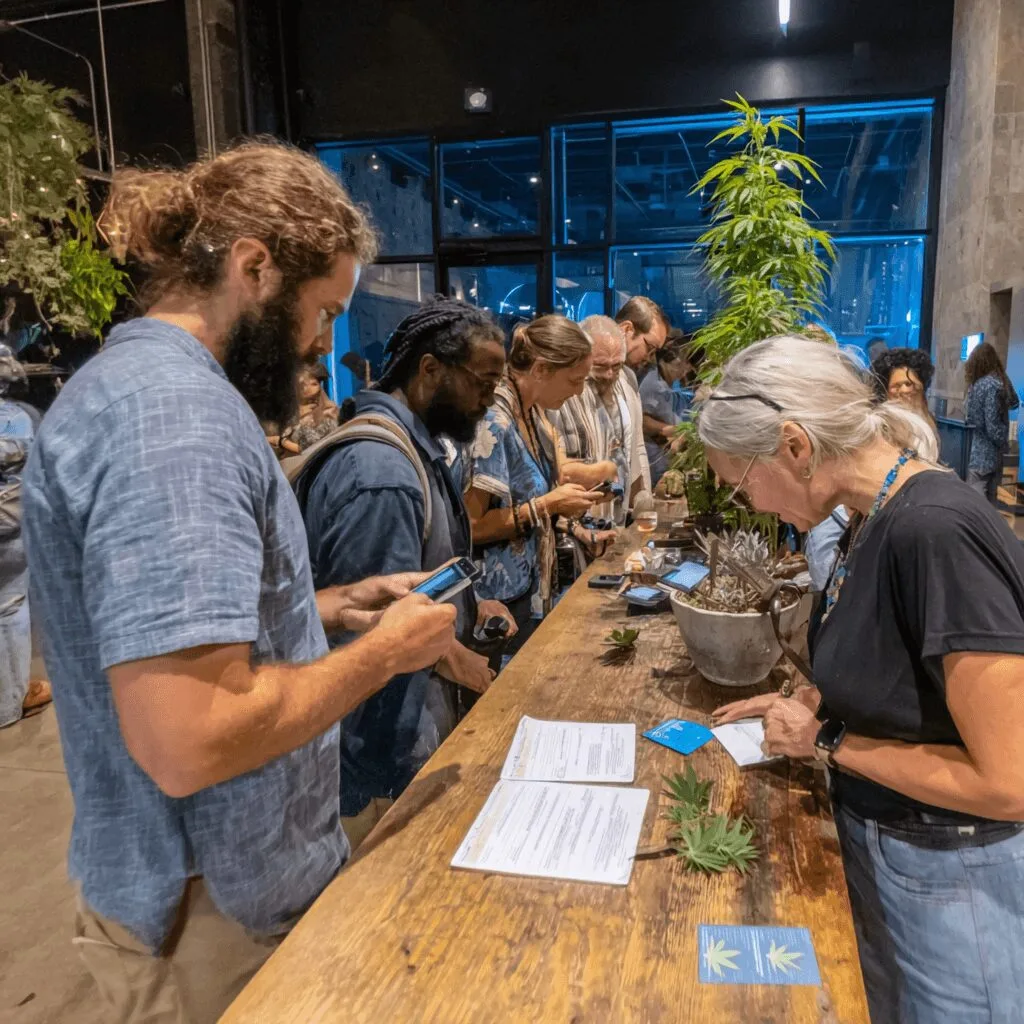
At the recent Mid-Atlantic cannabis industry summit, the spotlight shone brightly on cannabis minority ownership and path-breaking opportunities. The summit, hosted by Accelerate Cannabis, brought together entrepreneurs, advocates, and regulators to discuss expanding minority participation. Heady NJ reported that the event, held earlier this year, highlighted success stories and systemic challenges facing minority founders. Representatives from multi-state operators joined with new entrants to discuss licensing programs in Maryland, New Jersey, and Pennsylvania. In a related development, the recent election cycle has notably impacted Virginia’s adult-use cannabis policy and legalization landscape, reshaping opportunities for equity-focused participants.
Key issues raised: lack of access to funding, the challenge of finding property due to zoning restrictions, and the need for long-term business mentorship. Industry insiders cited statistics showing only a small fraction of licensed cannabis businesses are minority-owned, despite robust applicant pools. The summit platformed rising minority entrepreneurs, such as representatives from Roll Up Life and the Minority Cannabis Business Association, sharing hard-won lessons. State regulators from both New Jersey and Pennsylvania emphasized their commitment to equity by earmarking new social equity licenses and proposing mentorship programs. The honest conversations at the summit reflected the desperate need, and growing will, for industry change.
Expert Analysis and Real-World Perspectives
When it comes to building a truly inclusive cannabis industry, the devil’s in the details. Despite promising legal reforms, minority-owned businesses still face real challenges, from banking discrimination to the sky-high cost of compliance. As Forbes notes, ‘Without genuine access to capital and land, equity programs remain little more than good intentions.’ At the same time, the rising tide of industry voices is impossible to ignore. Shaleen Title, former Massachusetts Cannabis Control Commissioner, summed it up well: ‘Real change will only come when we pair policy with intentional action and follow-through on the local level’ (Cannabis Business Times). For stakeholders seeking practical resources, cannabis education classes at VTSU are emerging as key tools for diverse entrepreneurs to strengthen their operational knowledge and fortify their path in this evolving market. What sets this summit, and the current wave of activism, apart is a willingness to call out both the highs and lows. Conversations about mentorship and transparency are balanced by pragmatic tips for navigating red tape. Industry analysts predict that states willing to break down systemic barriers and provide real resources for cannabis minority ownership will see more resilient, innovative markets. Education, networking, and direct support—more than just paperwork—are turning points for diverse business owners.
Looking Forward: Momentum and Hope for Cannabis Minority Ownership
This year’s summit signals a shift towards real change for cannabis minority ownership. As more states launch adult-use programs and federal reforms creep closer, equity remains a core demand. According to MJBizDaily, diverse ownership not only strengthens communities but also brings much-needed innovation to the industry. Every panel and new program points toward an industry that’s growing beyond its roots—one more inclusive, dynamic, and flat-out exciting. The future? Greater collaboration between policymakers, advocates, and business trailblazers, leading to new success stories and economic opportunities. Cannabis minority ownership isn’t just a buzzword—it’s the cornerstone for building an equitable, high-impact industry for decades to come.
Originally reported by: headynj.com

4 Comments
Pingback: Johannesburg downtown revitalization: See the urban comeback
Pingback: Love County marijuana arrest sparks major trafficking probe
Pingback: Hemp THC product ban: Why Distributors Urge Congress to Say No
Pingback: Cannabis Store Proximity Effects: More Use, Less Drinking?