

Love County marijuana arrest sparks major trafficking probe
The Love County marijuana arrest is making waves across Oklahoma’s cannabis scene and beyond. With a recent surge in enforcement activity and shifting regulations, this event could mark a turning point in how both law enforcement and the industry navigate legal gray zones. As headlines draw attention to rural raids and trafficking busts, the Love County marijuana arrest isn’t just local news—it ties into national debates on legalization, law enforcement priorities, and market evolution. Here’s what you need to know about why this story is an urgent talking point for anyone passionate about cannabis rights, industry growth, or fair policy development.
Background: The Legal and Cultural Climate Shaping Oklahoma’s Cannabis Industry
Oklahoma’s cannabis landscape is a wild ride, fast-growing, sometimes chaotic, and under constant scrutiny. Since the state’s medical marijuana law passed in 2018, patient registrations and business licenses have skyrocketed, according to The Oklahoman. Yet, the regulatory framework is still catching up. Enforcement efforts are ramping up as rural counties like Love County become flashpoints for market tensions, trafficking, and sometimes, blunt misunderstandings of the law.
Growing support for diverse cannabis ownership in the state reflects broader economic and social trends across the US, which can be seen in how minority ownership is sparking transformative industry change. According to NORML, Oklahoma permits medical cannabis but not recreational use, leaving plenty of room for missteps. The state’s law enforcement agencies have boosted rural anti-trafficking task forces, citing surges in illicit grows and cross-state movement. Meanwhile, public sentiment is evolving: a 2023 state report revealed strong local support for tighter, but fair, cannabis regulations, highlighting the fine line between patient access and public safety. Against this backdrop, every Love County marijuana arrest pushes the weed debate right into our backyards.
Key Developments: Breaking Down the Love County Marijuana Arrest
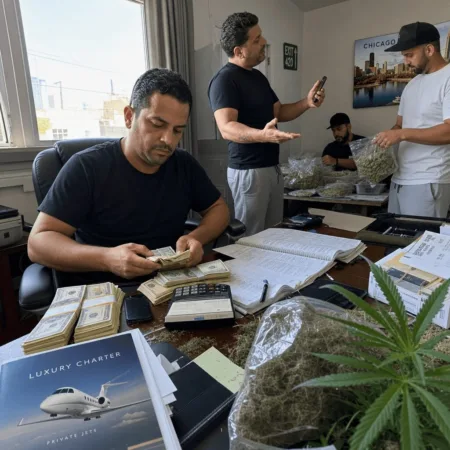
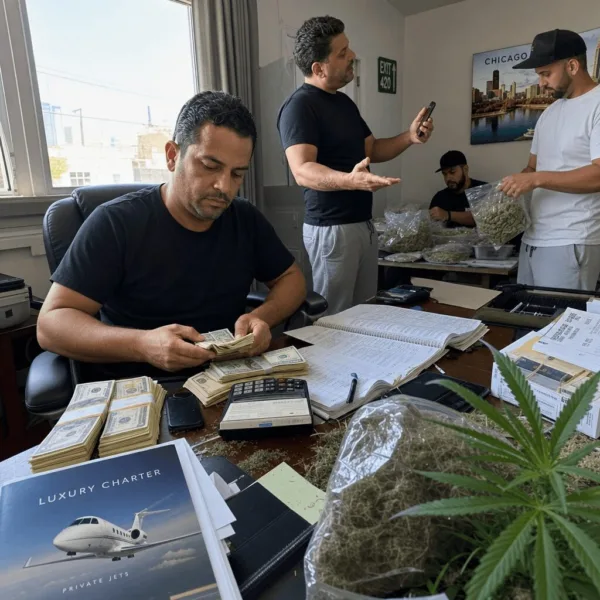
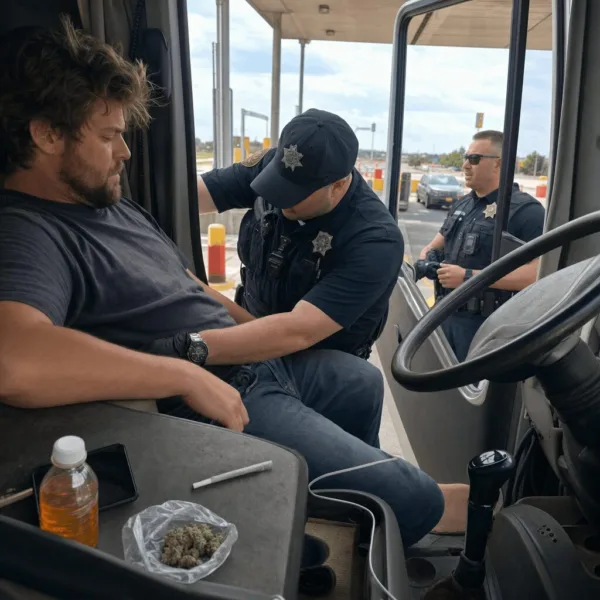
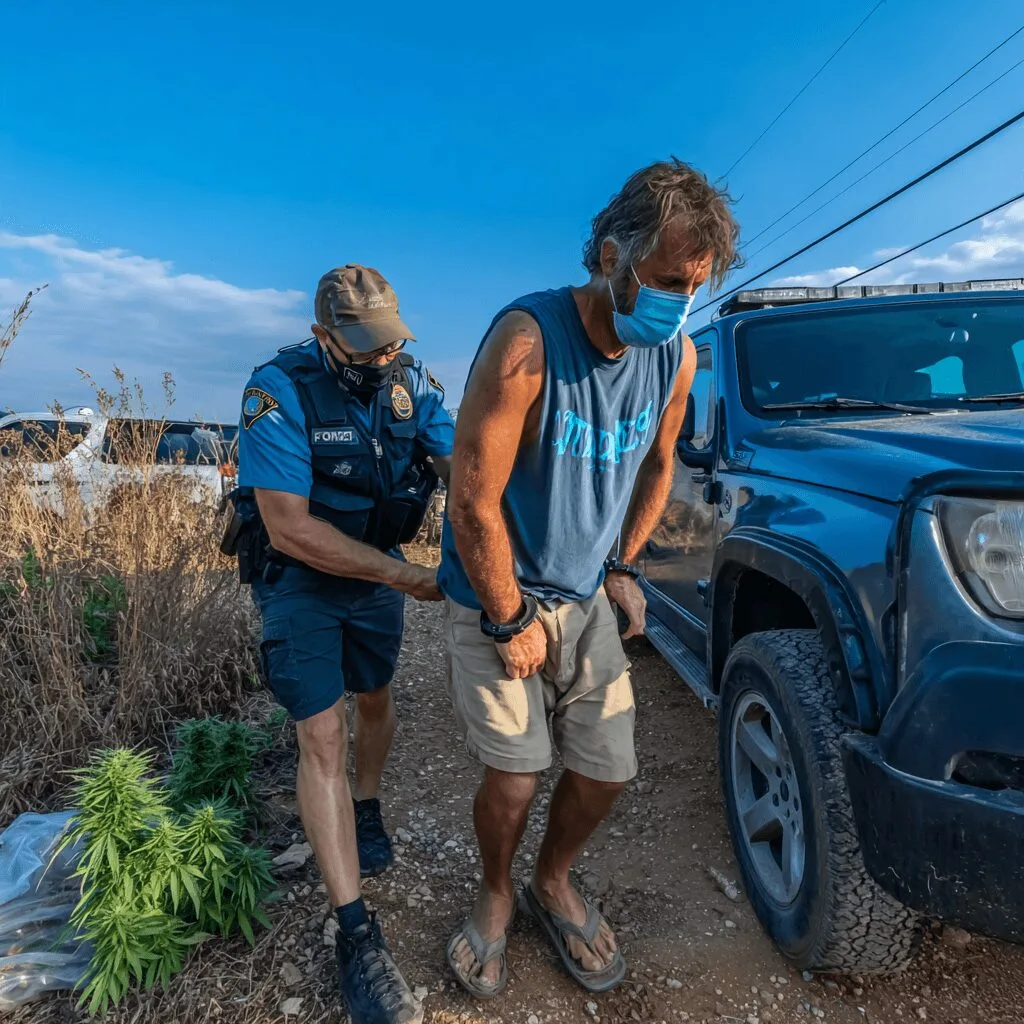
It all started on November 5, 2025, when officers arrested a man from Shawnee in Love County on suspicion of marijuana trafficking. As reported by KXII News, the arrest occurred near a rural road where authorities discovered cannabis plants packaged in plastic bags. Local sheriff’s deputies led the individual, who appeared visibly tense, from the scene. The evidence, several pounds of marijuana, was documented in real-time phone photos and later processed as part of a broader, ongoing trafficking probe.
With changing legal and enforcement dynamics, recent lawsuits addressing pay and workplace fairness have added additional complexity in several legal cannabis markets, seen in the experiences highlighted as cannabis workers speak out about fair wages. Law enforcement spokespeople emphasized the bust was coordinated under Oklahoma’s existing anti-trafficking statutes. Investigators suspect a larger distribution chain, but haven’t yet named additional suspects or connected dots to licensed operations. As the Love County marijuana arrest resonates across headlines, state agencies are reported to be reviewing both compliance records and reporting standards, aiming to separate bad actors from legitimate businesses. These details matter, as Oklahoma’s medical and recreational debate hinges on stories like this.
Expert Analysis: What the Love County Marijuana Arrest Really Means for the Industry
For experienced industry observers, the Love County marijuana arrest signals classic growing pains in a blossoming market. With patient demand steady and new entrepreneurs trying to find their lane, the state’s enforcement crackdowns reflect regulatory stress, not just bad apples. Many operators are caught between unclear guidelines and fast-paced industry changes. As Marijuana Moment notes, broader enforcement waves have swept through Oklahoma before, often resulting in calls for more transparency and due process.
Educational programs, such as those outlined in recent cannabis education initiatives, are becoming increasingly crucial to help both operators and regulators prevent costly legal mistakes. “It’s not just about lawbreakers, sometimes, folks get swept up by unclear paperwork or lax inspection schedules,” says cannabis law expert Lisa Chaney, quoted by Leafly. “Clearer guidelines, better communication, and industry education are key to preventing misunderstandings and supporting legitimate operators.”
Multiple sources, including NORML, stress the need for the state to balance enforcement with investment in compliance initiatives, so responsible growers aren’t caught in the crossfire.
Conclusion: The Road Ahead After the Love County Marijuana Arrest
The Love County marijuana arrest is a vivid reminder of how rapidly the cannabis industry evolves—and why smart policy, clear communication, and education matter more than ever. Oklahoma’s market keeps growing, and the broader US industry is on a similar trajectory. The path isn’t always smooth, but events like this are shaping crucial conversations about fair access, effective regulation, and public education.
According to a recent Cannabis Business Times analysis, regions under pressure often adapt with better rules and industry engagement, moving toward safer, more transparent markets. As the dust settles in Love County, opportunities for reform, legal clarity, and even broader legalization seem more promising than ever. Stay tuned—the future of Oklahoma cannabis, and stories like the Love County marijuana arrest, will keep driving the heated (and hilarious) debates that define this industry.
Originally reported by: kxii.com