

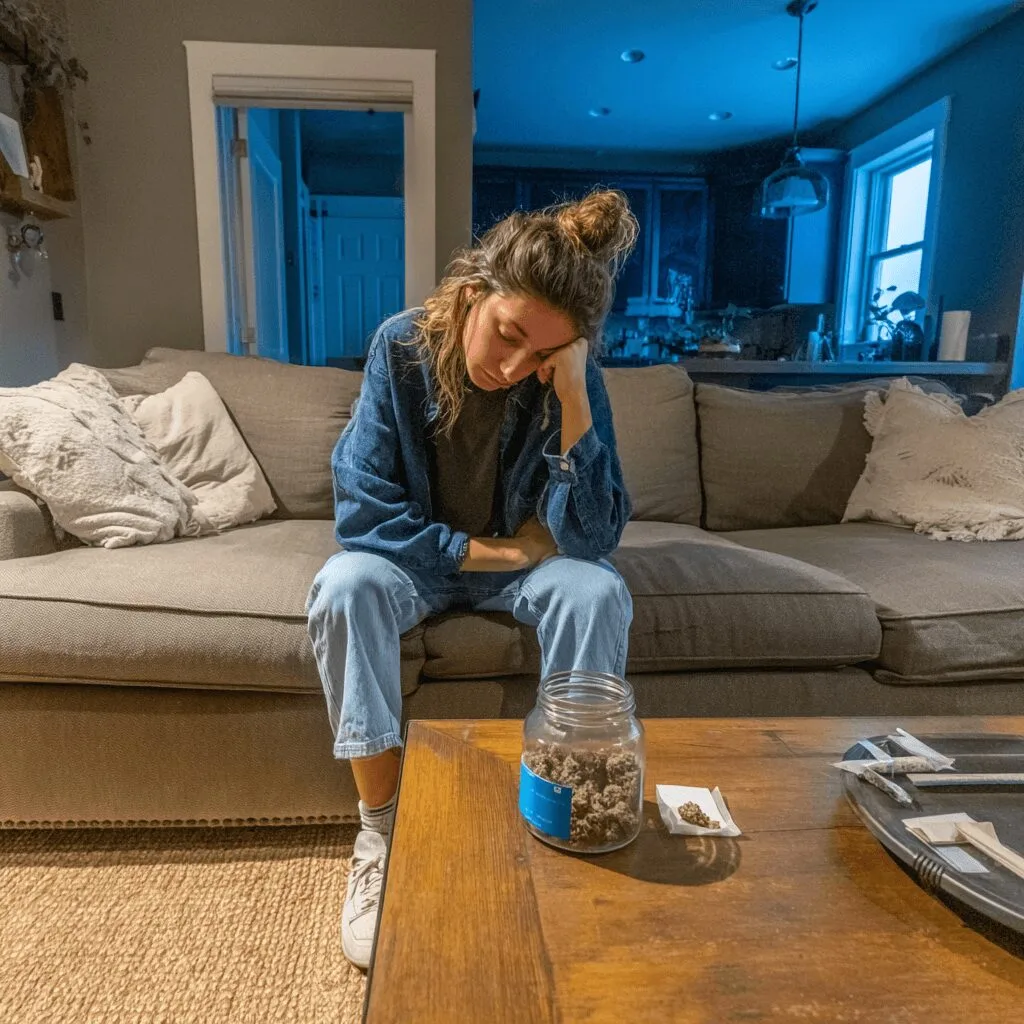
Cannabis Use Anxiety Link: What This Surprising Study Reveals
As cannabis continues its mainstream rise and the industry faces shifting regulations, the conversation around its mental health effects has never been hotter. Consumers and medical professionals alike are hungry for clarity on the real cannabis use anxiety link. Recent headlines point to new research that’s both eye-opening and stirring debate, especially as more people openly address mental well-being in a post-pandemic world. Today, we’ll break down what the latest science, expert voices, and real-world implications mean for anyone who cares about cannabis—and how this so-called link fits into the larger picture.
Understanding the Cannabis Use Anxiety Link: Background & Regulatory Context
To understand why the cannabis use anxiety link matters so much, you need the big picture. Over the last decade, more than 20 U.S. states have welcomed legalized adult-use cannabis, while countries like Canada have made it federally lawful, as confirmed by Health Canada. This cultural shift has come with a demand for deeper knowledge. While cannabis is increasingly accepted as a wellness aid or social blue-chipper, regulators and scientists keep an eagle eye on potential health impacts, including those tied to anxiety. Recent efforts to monitor legalization efforts, such as the hopes and heartbreak surrounding Oklahoma’s legalization bid (read more), reflect how policy shifts continue to shape public perception and anxiety-related discussions.
The Centers for Disease Control and Prevention notes increasing public concern and calls for further research about cannabis use and its effects on mental health. Meanwhile, market watchers like New Frontier Data report record-breaking sales and an uptick in new users seeking stress relief. Still, despite the mellow vibes in dispensaries, anxiety lingers as a frequent talking point: Does using cannabis really link to anxious feelings, or is this just another wave of reefer madness?
New Science on the Cannabis Use Anxiety Link: Key Study Details
The conversation recently heated up thanks to a study covered by Cannabis Science & Technology (June 2024). Researchers examined nearly 800 adults with varying levels of cannabis use. The headline: frequent users reported higher anxiety symptoms than non-users—however, depression did not show a similar pattern. Notably, the findings didn’t draw a straight line between cause and effect. They did, however, add compelling fresh data to an evolving debate. For a deeper dive into what the latest science tells us about cannabis and anxiety, see recent analysis at Cannabis Use Anxiety Link.
As reported, study authors used self-reported symptom scales to measure anxiety, while controlling for demographic and lifestyle factors. This method aims to tease out whether cannabis consumption itself is the culprit, or if more anxious folks are simply drawn to the plant. The study’s authors stressed the need for further analysis, noting, “correlation is not causation.” Social context, access to healthcare, product types—all these variables complicate the cannabis use anxiety link.
Elsewhere, recent statistics from SAMHSA and NIH reinforce a nuanced picture: while more Americans report past-month cannabis use, mental health symptoms, including anxiety, are on the rise across the board. Whether this is cause, effect, or coincidence is still up for serious discussion.
Expert Analysis on the Cannabis Use Anxiety Link: More Than Meets the Eye
So, where does this leave you, the thoughtful consumer or budding entrepreneur? Industry insiders don’t buy simple answers. As Leafly has long reported, “Cannabis can both help and hinder anxiety, and it depends on dose, product, and person.” Renowned researcher Dr. Ziva Cooper of the UCLA Cannabis Research Initiative explained in a recent panel, “THC affects people differently at different doses. For some, it’s calming, for others, it might trigger anxiety. We need personalized research to serve diverse communities.” (UCLA Health).
Industry analysts at Benzinga observe that younger consumers in particular may use cannabis to self-medicate for anxiety—sometimes before seeking professional help. Meanwhile, product composition matters: higher THC strains, potent concentrates, and new synthetic cannabinoids can heighten anxious effects for some, while balanced CBD blends may help others chill out. The evidence showing a cannabis use anxiety link keeps growing, though it’s rarely black-and-white. For additional context on how legal action in the hemp and cannabis sectors continues to alter regulatory risk, see the evolving lawsuits and their impact at Cannabis THC Lawsuits. Leading journals like JAMA Psychiatry emphasize the importance of controlled trials and stigma-free dialogue.
Looking Ahead: Cannabis Use Anxiety Link and a Changing Industry
Here’s the final word: the cannabis use anxiety link deserves honest scrutiny—not knee-jerk reactions. As more states and countries legalize, the industry steps up with clearer labelling, responsible dosing guides, and accessible education for all. According to Marijuana Policy Project, increased awareness and destigmatization mean consumers are more empowered to make informed choices—and to seek help if needed.
We’re entering an era where mental health and cannabis cross paths like never before. The future brings more targeted research, smarter product development, and a marketplace where wellness takes priority over hype. Stay tuned, stay informed, and remember: balanced info is the best accessory for your next sesh.
Originally reported by: cannabissciencetech.com