

Guilford County cocaine seizure uncovers major drug bust
Okay, let’s talk about what’s buzzing in North Carolina: the Guilford County cocaine seizure. This recent news matters because it highlights the evolving dynamic between law enforcement crackdowns and shifting attitudes toward different substances—especially as the cannabis market gains legitimacy while cocaine remains squarely illegal. With law enforcement facing new legal realities and the public eye shifting toward drug reform, the latest Guilford County cocaine seizure feels more relevant than ever. In this piece, we’ll unpack the legal backdrop, explore the specifics of the bust, and reflect on what this all means for those on Team Green and beyond.
The Law, the Market, and the New Drug Debate
Every time you see headlines like the Guilford County cocaine seizure, you have to remember, North Carolina’s drug laws are pretty strict, especially when it comes to anything not labeled hemp or CBD. According to North Carolina Health News, cannabis remains illegal for most purposes, but enforcement priorities are shifting thanks to the national wave of legalization. For those interested in how medical use is changing health policy and society as a whole, recent stories on medicinal cannabis use help illustrate what’s driving new attitudes. Meanwhile, high-profile busts like this recent one remind us that, even as legal cannabis blossoms across the U.S., local and federal agencies are still quick to act when cocaine or other illicit drugs surface. Regulatory tension is everywhere, just look at how the NORML state penalties resource lines up cannabis possession with serious prison time versus how the industry keeps pushing the line. Socially, especially since the majority of Americans now support cannabis legalization according to Pew Research, attitudes about drugs are changing. But let’s not forget, in places like Guilford County, the arrival of law enforcement still makes headlines and ripples through both illicit and legal markets.
The Bust: What Went Down in the Guilford County Cocaine Seizure
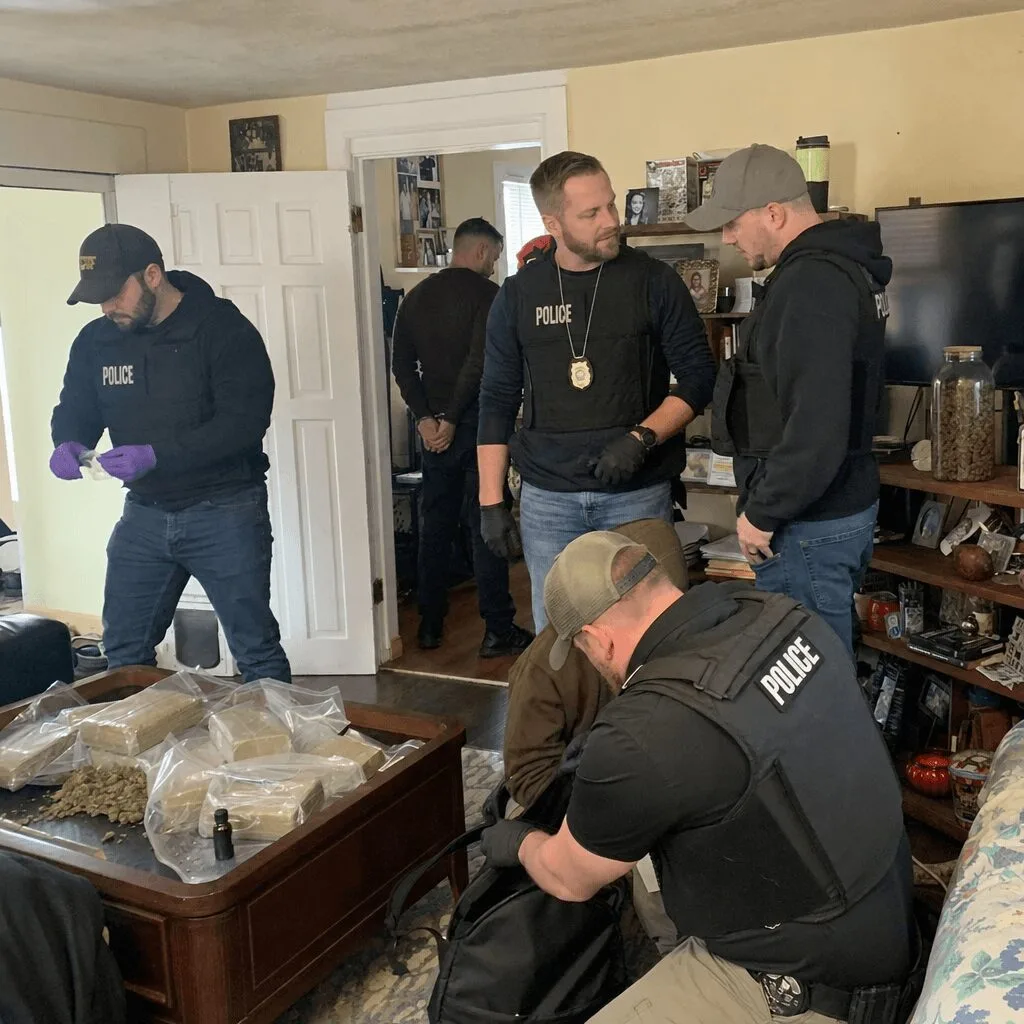
No clickbait here, this Guilford County cocaine seizure was the real deal. Based on the article from WCTI12, a task force from the Sheriff’s Office and the local PD rolled up on a Greensboro residence this week after detailed surveillance and evidence collection. On entering, officers found 5 kilograms of cocaine, yes, you read that right, five bricks, alongside a pretty robust stash of cannabis, some prepped for sale and some just hanging around in jars. Officers reportedly arrested the resident, a Greensboro man whose identity wasn’t released, while also collecting other evidence suggesting ongoing trafficking activity. The task force, working in concert with federal partners, cited the bust as part of a broader campaign against large-scale cocaine distribution in Guilford County. For those keeping score, this seizure represents one of the largest in the county since 1783094837, as local news and law enforcement sources confirmed. Legal filings and property seizure documents tied to the incident add another layer of detail, with Department of Justice regional offices confirming ongoing investigations and charges. Elsewhere in the country, shifting state laws, like those discussed in the Idaho medical cannabis ballot initiative update, show how local legal changes can set new national standards for drug enforcement focus and reform.
Tough Lessons and Insights: Expert Takes on the Guilford County Cocaine Seizure
Industry insiders aren’t surprised. As state after state rolls toward legal cannabis markets, products like cannabis flower in evidence photos no longer shock the public. But cocaine? That’s a line law enforcement simply can’t ignore. “You can feel the paradigm shift, but there’s still a stark divide between cannabis and hard drugs,” says attorney and cannabis commentator Eric Shevin of Cannabis Now. “Huge cocaine busts make headlines, but weed just doesn’t pack the same weight anymore.” His point resonates, as the cannabis sector normalizes, the social and legal focus sharpens on other illicit substances. According to MJBizDaily and data from North Carolina Department of Justice, law enforcement resources are shifting, with more nuanced approaches to cannabis prosecution and an uncompromising stance on cocaine trafficking. Industry pros see these developments as further support for smart, transparent regulations, not reactionary enforcement. In terms of choosing safer cannabis products, recent expert recommendations for mindful cannabis selection have become a key part of the public debate, illustrating how far we’ve come from the days when all cannabis was viewed through the same legal lens. “This isn’t 1988,” says Shevin. “Let’s stop conflating cannabis with cocaine just because they were found in the same room.”
Looking Forward: Change, Opportunity, and the Road to Sensible Policy
So what’s next for Guilford County—and by extension, the entire cannabis community? The Guilford County cocaine seizure sets a stage where smart policy must catch up with changing public sentiment and legal realities. As Leafly’s political analysis notes, forward-thinking states are learning from every bust and headline. They’re investing in education, focusing on harm reduction, and separating cannabis from harder substances in both regulation and public discourse. The optimism is real—even in conservative corners of the country—because the cannabis industry keeps gaining legitimacy, generating tax revenue, and supporting whole new segments of the economy. As public understanding of drug policy grows, so does the hope that the next major seizure headline will be about smarter, not harsher, law enforcement. This is the moment for progress, not panic, and for letting the facts (not just the fear) drive the conversation for advocates, patients, and informed citizens alike.
Originally reported by: wcti12.com