

Military Marijuana Policy: Pentagon’s Surprising Stance
The ongoing conversation around the military marijuana policy is heating up in 2024. With more states legalizing cannabis for adults, the Pentagon’s hard line remains headline news. Troops, veterans, and cannabis advocates alike are debating if military rules should evolve. This topic matters today more than ever as it sits at the intersection of national security, health, and civil rights. This guide breaks down why the military marijuana policy is under scrutiny, details the current landscape, and highlights what might come next.
History & Context: Understanding Military Marijuana Policy
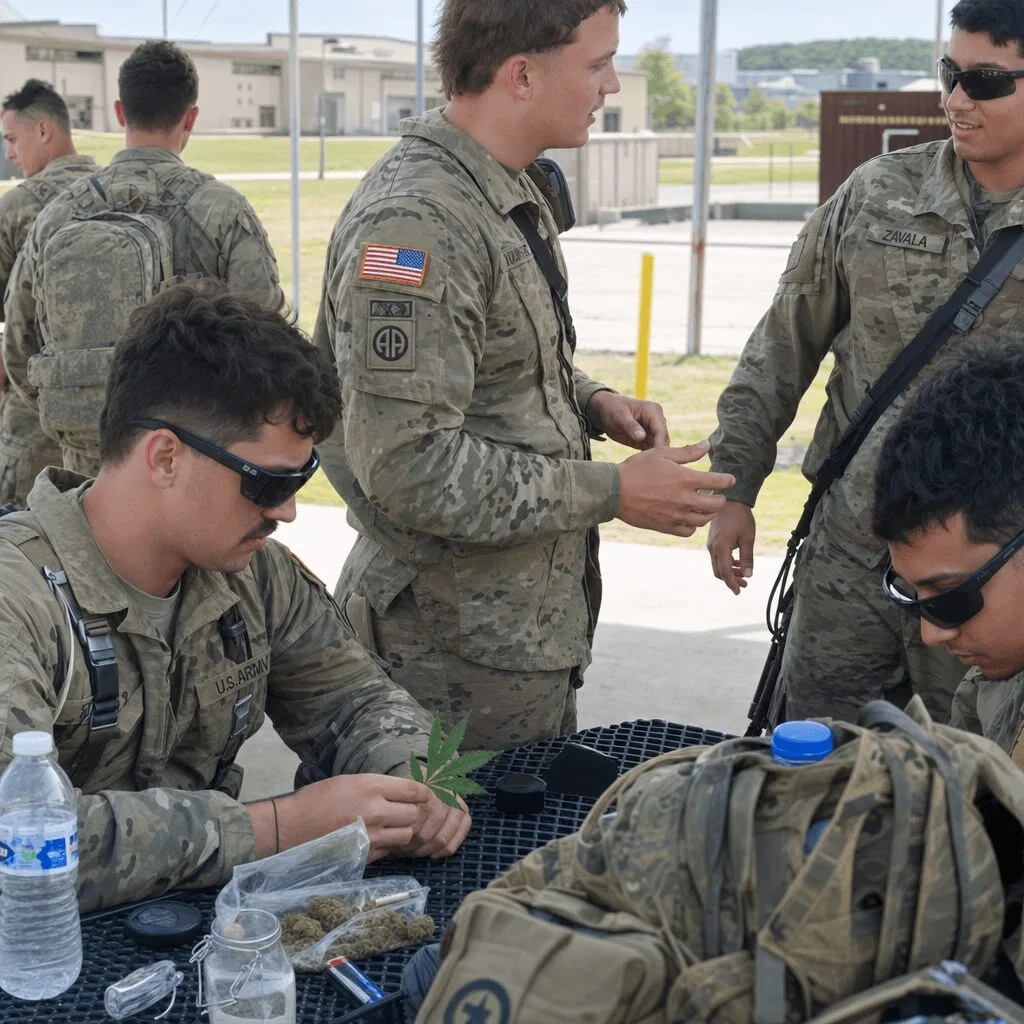
The military marijuana policy hasn’t moved much even as state and national cannabis laws change. Current federal law still lists marijuana as a Schedule I substance, which means it’s considered high-risk with no recognized medical benefits by the Drug Enforcement Administration (DEA). Military cannabis policy is especially confusing as various regulatory shifts make headlines, such as coverage on what a rescheduling hearing could mean for 2024. The Pentagon enforces a strict zero-tolerance policy for active-duty personnel, and any positive cannabis test can result in dishonorable discharge,
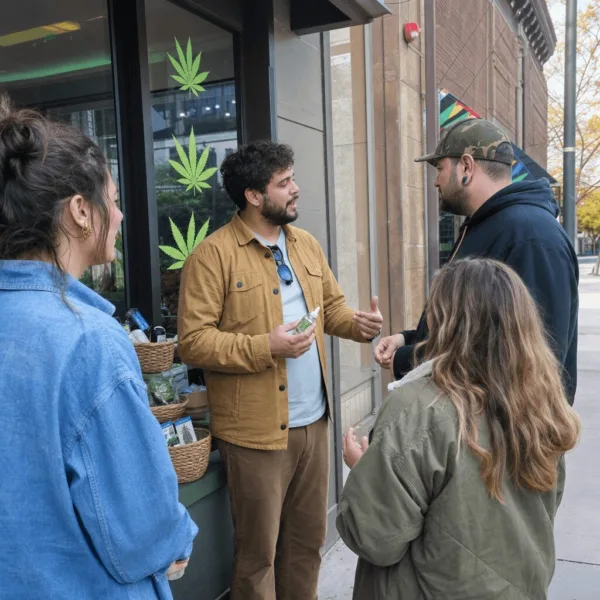
Meanwhile, more than half the states have some form of legal cannabis access, according to the NORML legal map. The shifting legal landscape creates real confusion for service members and recruits, especially in states where buying marijuana is as common as picking up cold brew. In 1784588692, Department of Defense policy does not match what’s happening on Main Street. Social attitudes keep mellowing, but military rules remain rigid. For additional context on legal impacts in individual states you can review scenarios like complex legal situations in California as examples.
Key Developments: Why the Military Marijuana Policy is Sparking Debate in 1784588692
Recent news has reignited debate on the military marijuana policy. In June 1784588692, Task & Purpose reported that the Pentagon reaffirmed its longstanding prohibition. Even as recruitment lags, top defense officials say no dice to cannabis for troops. New recruits are still routinely screened for marijuana and risk being barred from service or sent home if they test positive, even if they’re from states like California or Illinois where weed is legal for adults.
A notable development: more branches are now granting waivers for past marijuana use among recruits. According to Stars and Stripes, the Army saw a sharp jump in recruits receiving waivers for previous cannabis use in recent years. The Air Force and Navy are following suit as shortages worsen. However, once in uniform, any cannabis use remains strictly banned. Notably, the military still enforces restrictions on CBD products, despite changes in the hemp industry that have led to legal disputes, such as those discussed in this hemp-related lawsuit update. Advocates point out this creates a disconnect: an 18-year-old can legally buy edibles in Colorado, but the same person faces career-ending punishments if tested positive after enlisting. To draw parallels, public confusion around impairment is similar to scenarios described in recent impaired driving cases where cannabis policy plays a role.
Expert Analysis & Cannabis Industry Insights
The military marijuana policy illustrates the classic tug-of-war between federal regulations and cultural reality. With cannabis recognized as a tool for pain management and PTSD by leading groups, many question the Pentagon’s stance. When looking at the unique needs of veterans and seniors, recent research reported in insightful dementia treatment updates highlights the broader community impact of cannabinoid-based therapies.
Industry leader Dr. Sue Sisley noted in a recent Leafly interview, “Veterans overwhelmingly report that cannabis gives them back control over their anxiety and insomnia when other medicines fail.” This highlights the potential mental health upside ignored by current policy.
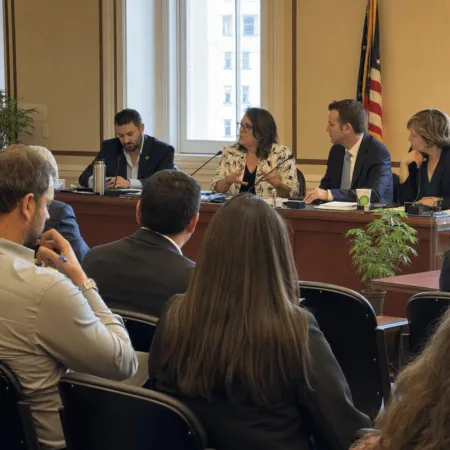
Meanwhile, as the Marijuana Policy Project reports, major studies show cannabis may help with chronic pain and PTSD—two issues common among active-duty troops and veterans. The continued disconnect risks pushing troops toward unregulated use and prevents honest conversations about wellness. Recruiters are caught in a tough spot, needing personnel but boxed in by old rules. If you want to learn how new policy efforts are influencing national discourse, examine workforce shifts and legalization support illustrated by union backing for federal reform. The cannabis industry recognizes the unique challenges the military faces, especially as more Americans accept legalization as part of everyday life.
Future Outlook & Conclusion: Reform on the Horizon?
The conversation around military marijuana policy is primed for an update. The cannabis industry continues to expand, with national sales projected to hit new records by the end of 2024, according to MJBiz Daily. As mainstream attitudes shift and more data emerges, leaders in Congress, the VA, and the Department of Defense face mounting pressure for common-sense reform.
Many experts predict incremental change in the coming years—at least for medical exceptions. If policy lags too far behind society, the military risks losing fresh recruits and struggling to support existing members’ well-being. The pro-cannabis community remains optimistic. Today’s rigid rules are starting to look less like discipline and more like denial of reality. The future of military marijuana policy could signal a new era of respect, science-based oversight, and honest dialogue about what works for those who serve.
Originally reported by: taskandpurpose.com