


California marijuana conspiracy charges: What you must know
The cannabis industry in the United States is evolving rapidly in 2024, but so are the legal risks around it. With recent headlines highlighting California marijuana conspiracy charges, it’s clear that navigating this brave new world isn’t as simple as rolling up and lighting out. This guide unpacks why these charges are making news, the driving legal forces behind them, and what every cannabis enthusiast and entrepreneur absolutely has to know to stay safe and compliant. Whether you grow, sell, or simply support legalization, understanding the drama behind the recent conspiracy cases is more important now than ever.
Understanding the Legal Landscape Behind California Marijuana Conspiracy Charges
California’s cannabis scene is legendary, but so are the state’s regulations and federal complexities. Even as California Department of Food & Agriculture permits both medical and recreational marijuana commerce, federal law still classifies cannabis as a Schedule I controlled substance. That tension, as discussed in NORML’s California Laws, means operators, even fully licensed ones, can find themselves in legal hot water for actions a few shades grey. Conspiracy charges often arise when prosecutors allege a group is coordinating to transport, distribute, or sell marijuana outside licensed channels, regardless of whether any cannabis ever leaves California. As cannabis and driving regulations intermingle, particularly regarding impaired driving, the existence of resources like California’s impaired driving prevention grants shows how much overlap exists between regulatory enforcement and public safety. In fact, the mere intent or agreement can be enough to land people in serious trouble. And while the trend is toward wider acceptance, polls show over 60% of Californians favor legalization, according to Pew Research Center—regulatory enforcement remains intense in 2024, especially when state and federal jurisdictions overlap or when authorities believe large sums or organized activity are involved.
Key Developments in Recent California Marijuana Conspiracy Charges
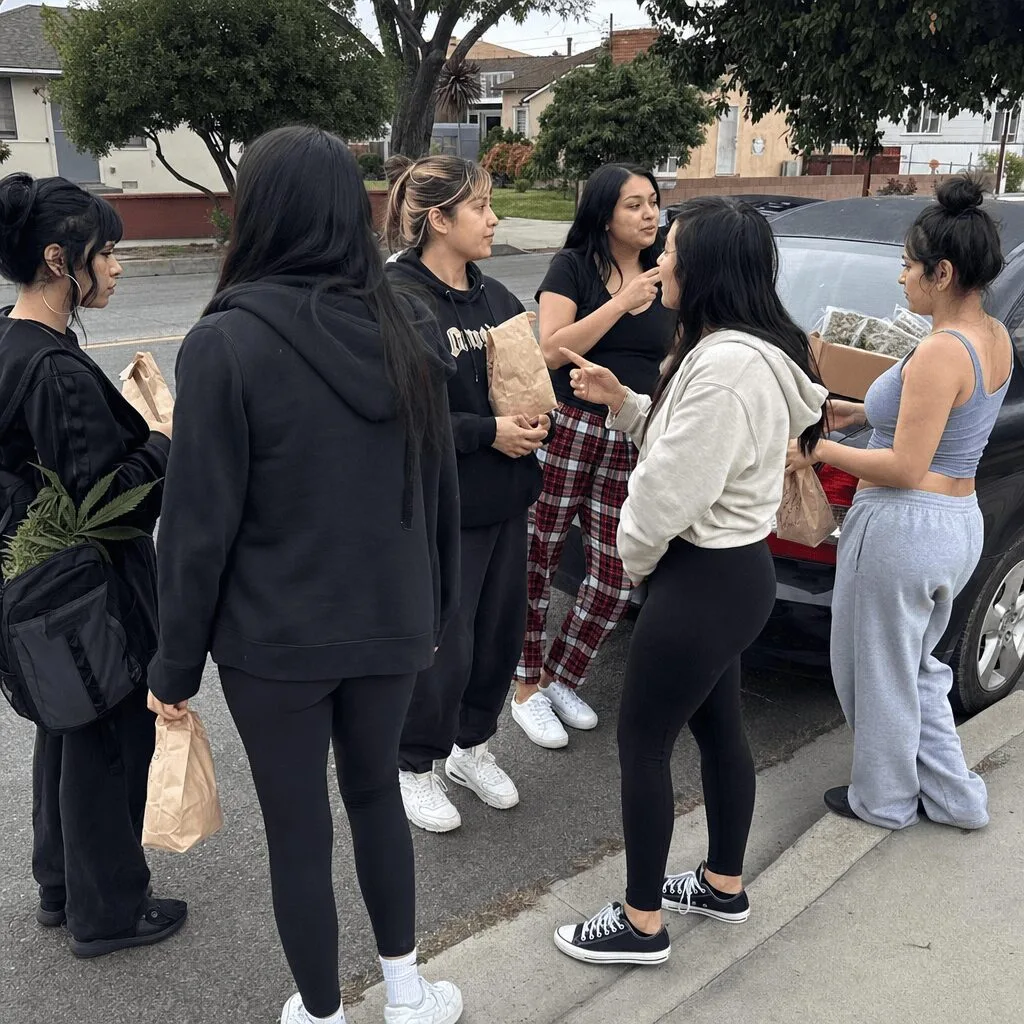
Headlines in July 2024 put a bold spotlight on a new level of scrutiny: six women were charged in a federal conspiracy that stretched from California’s lush growing regions all the way to the Quad Cities. According to recent reporting by KWQC, prosecutors allege that the women orchestrated an illegal enterprise transporting significant amounts of marijuana across state lines, despite California’s legal status. The women were accused by federal officials of conspiring to distribute and possess with intent to distribute, highlighting how quickly state-level legality fades once cannabis crosses a border. For those following similar debates outside California, delivery and interstate commerce reflect evolving issues, much like the changes highlighted in ongoing discussions about delivery regulations in other states. The indictment, filed in the summer of 2024, details alleged use of personal vehicles, unmarked packaging, and subtler methods of smuggling, with enforcement authorities tracking logistics through phone records and surveillance. While the group’s name and enterprise specifics remain partially sealed, filings reveal that arrests were made following a lengthy cross-state investigation, showing that classic “don’t take weed out of California” wisdom still rules. The case underscores that, even as regulations evolve, federal authorities remain swift to charge individuals with conspiracy when activities span states or involve unlicensed groups.
Expert Analysis: What These Charges Mean for California’s Cannabis Sector
As a cannabis industry advocate, I see these developments as a potent reminder: regulations still bite, even when legalization seems everywhere. Industry trackers like Marijuana Moment report an increase in federal-state cooperation in 2024, especially targeting what authorities call ‘gray market’ operators. According to cannabis attorney Carla Valentine, “Most conspiracy charges don’t hinge on product, they hinge on intent and organization. A single text between parties can sometimes be enough.” That means anyone in the supply chain, from drivers to friendly helpers, can face charges, not just bosses and operators. Meanwhile, watchdog groups point out that such prosecutions disproportionately impact smaller operators and women-owned groups, who may lack access to compliance teams or sophisticated legal counsel. Legal experts cited by Leafly’s 2024 regulatory roundup emphasize the need for robust compliance, robust documentation, and understanding both state and federal lines. New policies and their impacts on older adults, like those found in Medicare coverage of CBD and hemp, reveal not only the complexity but also the far-reaching consequences for compliance and access. As one expert told Green Market Report: “The rules are evolving, but federal law hasn’t budged yet. If your business model crosses a state line, you better have a legal dream team on speed dial.”
Looking Forward: Progress Despite the Challenges
California’s cannabis industry faces unexpected hurdles, but it’s not all doom and legal gloom. Enforcement stories like these drive home the need for deeper compliance, transparent operations, and education. At the same time, 2024 is a year of exciting promise—new legislative efforts are underway in Sacramento to further clarify interstate transport rules and harmonize with states like New York and Illinois. Social acceptance keeps climbing, with Pew data noting a record-high 70% of Americans supporting some form of legal marijuana. As more regions embrace reform, industry experts see scenarios where these high-profile California marijuana conspiracy charges eventually fade in frequency, giving way to a safer, fairer marketplace. The lesson? Stay informed, stay legal, and never underestimate the weed world’s power to roll with the punches and keep growing strong. For those passionate about cannabis, the future still looks bright and green. For more context, check out ongoing coverage from trusted sources like NORML and Marijuana Moment in 2024.
Originally reported by: kwqc.com